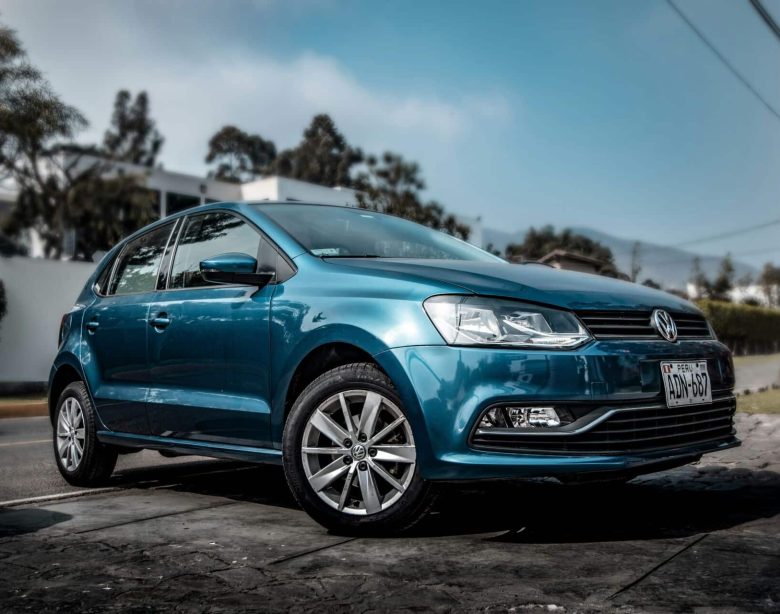
Most people who drive cross-country think they’re saving money. They’re usually wrong. When you add up gas, hotels, food, and actual wear on the car, driving a 2,000-mile route costs $900–$1,300. A Montway Auto Transport quote for the same route? Around $850–$1,050 on open transport. The math is much closer than people assume — and sometimes shipping is genuinely cheaper.
I’ve relocated three times in five years: Chicago to Portland, Portland to Miami, and Miami back to Chicago. I’ve driven once and shipped twice. Here’s what the experience actually taught me.
What Driving and Shipping Really Cost Side by Side
The honest answer starts with real line items. People consistently undercount driving costs by forgetting hotels, food, and the depreciation from added miles. Let’s use Chicago to Los Angeles — roughly 2,000 miles — as the baseline.
The True Cost of Driving 2,000 Miles
| Expense | Efficient Car (25 mpg) | Truck or SUV (18 mpg) |
|---|---|---|
| Gas at $3.50/gallon | $280 | $389 |
| Hotels — 3 nights at $120/night | $360 | $360 |
| Food — 4 days at $50/day | $200 | $200 |
| Car depreciation at $0.10/mile | $200 | $200 |
| Total | $1,040 | $1,149 |
Most people quote their gas cost and stop there. That $280 number becomes $1,040 the moment you’re honest about everything else.
What Auto Shipping Quotes Actually Look Like
| Company | Chicago to LA (Open) | Chicago to LA (Enclosed) | Notable Feature |
|---|---|---|---|
| Montway Auto Transport | $850–$1,050 | $1,300–$1,700 | Largest carrier network, fast booking |
| Sherpa Auto Transport | $900–$1,100 | $1,350–$1,800 | Price-lock guarantee on quotes |
| AmeriFreight | $750–$950 | $1,100–$1,500 | Lowest base price, tiered insurance options |
| uShip | $650–$1,200 | $1,100–$2,000+ | Marketplace bid system — varies widely |
These prices shift with season (summer is expensive), route direction, and booking lead time. Get quotes from at least three carriers before committing to any of them.
The Hidden Cost Nobody Factors In: Odometer Miles
Adding 2,000 miles to a car with 115,000 already on it is a different decision than adding 2,000 miles to a car at 40,000. At high mileage, you’re accelerating toward the next maintenance threshold — or toward a breakdown. The per-mile depreciation hit ($0.08–$0.12 depending on vehicle age and value) is real money gone from your resale price. Shipping avoids that entirely.
When Auto Shipping Is Clearly the Better Choice
If you’re moving more than 1,500 miles, shipping deserves serious consideration in almost every case. The cost gap is small. The time investment is large. And several specific situations push the decision even harder toward a carrier.
Your Car Is Worth More Than $30,000 or Has Fresh Paint
This is non-negotiable. If you own a BMW 5 Series, a Porsche 911, a restored classic, or any vehicle where cosmetic and mechanical condition matters for resale — don’t drive it 2,000 miles in July on the I-40.
Open transport exposes cars to road debris, exhaust, and weather. A stone chip on a factory hood isn’t catastrophic on a daily driver. On a car with a $2,000 custom repaint, that chip is an expensive problem. Enclosed transport with Montway or Sherpa runs $1,300–$1,800 for most routes. On a $45,000 car, that’s rounding error compared to cosmetic repair costs.
I once watched someone drive their restored 1970 Chevelle from Nashville to Seattle. They arrived with three stone chips, a small windshield crack, and a vibration they hadn’t noticed before departure. Enclosed shipping would have been $1,600. The repairs cost $2,400. That’s the exact kind of outcome that’s easy to prevent and painful to fix afterward.
You Have a Hard Arrival Deadline
When a new job starts Monday and it’s a 30-hour drive away, you can’t lose three days to the road. Flying takes four hours. Shipping handles the car on a parallel timeline. Carriers like Montway offer 7–10 day windows on major open transport routes — book 3–4 weeks ahead and the car arrives around the same time you do, without the exhaustion.
Time has real dollar value. At $35/hour, two full driving days cost $560 in lost productivity before you’ve touched the gas pump. For anyone who works remotely and could be billing those hours, the shipping math looks even better.
Your Route Passes Through Mountain Terrain in Winter
Driving I-80 through Wyoming or US-2 through Montana in January isn’t just inconvenient — passes close. Storms strand travelers for 12–24 hours at a stretch. If your route hits the Rockies, the Sierra Nevada, or the upper Midwest between November and March, the risk calculation shifts hard toward shipping. Even open transport gets your car there safely without you navigating a whiteout at elevation.
Mistakes That Cost People Hundreds of Dollars
These aren’t edge cases. Most people making this decision for the first time walk into at least one of them.
Booking the Cheapest Quote Without Checking the Carrier
The auto shipping industry runs on brokers. Montway, Sherpa, and AmeriFreight don’t own trucks — they connect your shipment to independent carriers. The difference between a reputable broker and a bad one is whether they vet those carriers properly.
uShip’s marketplace model can surface $650 quotes. It can also surface a carrier who delays pickup by three weeks and then stops responding. The FMCSA (Federal Motor Carrier Safety Administration) maintains a public database at fmcsa.dot.gov — you can verify any carrier’s license and insurance in about two minutes. Always check before you pay a deposit.
The rule: no carrier with fewer than 50 reviews or an average below 4.3 stars across multiple platforms. Sherpa’s price-lock guarantee exists specifically because customers kept getting bait-and-switched — quoted $800, then pressured for $1,100 at pickup day.
Misreading the Delivery Window
Open transport cross-country takes 7–14 business days from pickup. Not three days. Not whenever you need it. If you’re flying ahead and need the car at your new address by a specific date, book shipping 3–4 weeks in advance. Lead time gives carriers flexibility, and flexibility means lower prices. Booking with 48 hours’ notice means premium rates and limited carrier options.
Driving a Mechanically Borderline Car Across the Country
Check engine light. Slow coolant leak. Tires at 3/32″ of tread. Any one of these on a 2,000-mile route is gambling. A single tow and roadside repair in rural Kansas runs $400–$800. If the car is borderline, ship it — or fix it first and then decide.
How Auto Shipping Actually Works
How Long Does Car Shipping Take?
Distance sets the baseline:
- Under 500 miles: 1–3 business days
- 500–1,500 miles: 3–7 business days
- 1,500–3,000 miles: 7–14 business days
Rural addresses add time. Carriers optimize routes around interstates, not individual driveways. If your pickup or delivery point is 40+ miles off a major highway, expect to either meet the driver at a commercial parking lot or add 2–3 days to the estimate.
Is the Car Actually Insured During Transport?
Yes — with one important condition. Every licensed carrier must carry cargo insurance, typically $100,000 per load. That covers damage that happens during transport. Pre-existing damage is excluded. Before your car is loaded, the driver does a walkaround inspection and marks existing damage on a Bill of Lading. You should photograph every panel, every corner, every existing scratch — separately, on your own phone, with timestamps. Keep those photos until you’ve inspected the car after delivery.
AmeriFreight offers supplemental coverage tiers. Their AFta Plan reduces your deductible by $500 for roughly $50 extra. On a car worth $25,000+, that’s worth adding.
Open vs. Enclosed Transport: When Does It Actually Matter?
Open transport is the standard multi-car trailer — the same kind that delivers new cars from manufacturers to dealerships. Completely fine for everyday vehicles.
Enclosed transport means a sealed trailer, sometimes climate-controlled. It costs 40–60% more. Use it for: exotic or classic cars, freshly restored or painted vehicles, low-clearance cars that can scrape standard carrier ramps, and anything where cosmetic condition affects resale significantly. Shipping a 2018 Honda CR-V with 70,000 miles? Open is fine. Shipping a Tesla Model S Plaid or a numbers-matching muscle car? Pay for enclosed.
Five Questions That Settle the Decision
After three moves and real money spent learning this the hard way, I use a five-question test. Answer honestly and the right choice usually becomes obvious.
- Is the total drive over 1,500 miles? If yes, get at least two shipping quotes before deciding. The cost gap closes fast past that distance.
- Is the car worth more than $25,000, or is it a classic or modified vehicle? If yes, budget for enclosed shipping. The premium is small compared to what you’re protecting.
- Do you have 3–5 days to spare, including prep days on each end? Most people count drive time and forget the day before departure and day after arrival. The real time cost is almost always higher than it looks.
- Does the route cross mountain passes or severe weather zones between October and April? If yes, lean toward shipping unless you have genuine experience with that kind of driving.
- Does the car have any outstanding mechanical issues? If yes, ship it or fix it first. A breakdown in a rural area will cost you more than the shipping quote.
The Specific Recommendation
Under 800 miles: drive. The cost difference is real — you’ll spend $400–$700 total, it takes one day, and shipping overhead isn’t worth it at that distance.
Over 1,500 miles with a newer or valuable car: get a quote from Montway Auto Transport first (their online tool takes under two minutes), then compare with Sherpa if you want a price-lock guarantee. For tighter budgets with a flexible timeline, check AmeriFreight — lowest base rates, and you can add insurance tiers if needed.
The 800–1,500 mile middle zone depends on your car, your time, and your route. Run the real numbers using the table above — including hotels, food, and depreciation — before assuming driving is the cheaper call. For most people with a reasonably modern car moving to a new city, shipping is competitive on price and simply better on every other dimension.