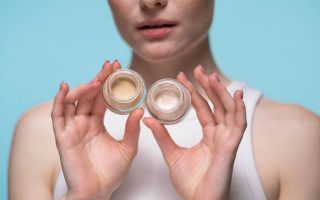
Every winter, my hands reach the same miserable stage: tight skin after washing, splits across the knuckles, and cuticles that snag on sweaters. The fix is not a fancy manicure; it is a boring barrier-repair routine done often enough to stop water loss.
Why winter cracks form, and what actually repairs them
Cold air holds less moisture than warm air, and indoor heating dries it further. Your hands also face repeated soap, sanitizer, hot water, dishwashing, and friction from towels. That combination strips part of the skin’s outer barrier, so water escapes faster and small areas become stiff enough to split when you bend your fingers.
The barrier problem is bigger than simple dryness
Dry skin feels rough, but cracked skin has a physical break in its surface. A regular lotion may make it feel softer for ten minutes, yet it can disappear after the next hand wash. The useful combination is a water-binding ingredient such as glycerin, a softening ingredient such as petrolatum or dimethicone, and a protective layer that slows evaporation. That is why a thick cream or ointment works better at night than a light pump lotion.
My first-night repair method
Wash with lukewarm water and a fragrance-free cleanser, then pat until the skin is damp rather than bone-dry. Apply a plain, fragrance-free hand cream to the backs of your hands, knuckles, palms, and around each nail. Press a thin film of ointment over the cracks, then wear loose cotton gloves for an hour or overnight. Do not scrub flakes away first. The flakes are attached to fragile skin, and pulling them off turns a rough patch into an open split.
Verdict: Winter hand care works when it reduces water loss and protects the barrier every day. Exfoliating harder is not the answer.
The seven-step routine that stops new cracks

My most reliable routine is simple enough to follow when I am tired. The order matters because the goal is to protect the skin before it starts stinging.
- Use lukewarm water instead of hot water. Hot water feels comforting, but it removes more surface oil.
- Switch to a mild, fragrance-free hand wash. A harsh cleanser can undo the cream you applied five minutes earlier.
- Pat your hands dry and leave a trace of moisture on the skin.
- Apply hand cream within one minute of drying. Cover the knuckles and the sides of each finger, not just the palms.
- Put a small extra amount on the cuticles. Massage it around the nail plate without cutting the living skin.
- Wear waterproof gloves for dishes, cleaning, and hair coloring. Put cotton liners underneath if rubber makes you sweat.
- Before bed, seal the worst cracks with an ointment. Use a thin layer; a greasy coating thick enough to smear your sheets is wasteful.
Keep one tube beside the sink, one in your bag, and one near the bed. That placement matters more than buying a larger jar. Reapply after every hand wash when your skin is actively splitting, then reduce to two or three times daily once the surface stays comfortable.
My verdict: the best routine is the one that catches your hands at the damp, slightly tight stage. Waiting until the skin bleeds makes the repair slower.
Which hand creams earn a place by the sink?
These are the products I would actually consider for winter hand care. Prices change by retailer and size, so treat the figures below as typical 2026 US prices rather than promises. None needs an affiliate link to be useful.
| Product | Size and price | Best use | My verdict |
|---|---|---|---|
| La Roche-Posay Cicaplast Hand Cream | 3.4 oz, $12.99 | Dry, damaged hands during the day | Best all-rounder when you want a protective cream that is not extremely greasy. |
| O’Keeffe’s Working Hands | 3.4 oz, about $8 | Very rough, work-worn skin | Best budget pick for thick knuckles, but use less than you think you need. |
| Aquaphor Healing Ointment | 14 oz, about $15 | Open splits and overnight sealing | Best ointment for cracks because its 41% petrolatum base forms a strong protective film. |
| CeraVe Healing Ointment | 5 oz, about $10 | Dry, sensitive skin | Best alternative if you prefer a petrolatum ointment with ceramides and no fragrance. |
What I would buy first
For ordinary winter dryness, I would buy La Roche-Posay Cicaplast Hand Cream and keep Aquaphor Healing Ointment for night. For deep cracks, Aquaphor is the clear winner because an ointment stays put longer than a cream. For a low-cost desk-side option, O’Keeffe’s Working Hands is hard to beat, but its concentrated texture can feel sticky and may sting on fresh splits.
When not to buy the thickest cream
Do not choose the heaviest product if you hate touching anything greasy and will stop using it after one day. A lighter cream used six times daily beats an expensive jar abandoned in a drawer. Also skip fragranced hand creams on broken skin; fragrance adds scent, not repair.
Product verdict: Cicaplast wins for daytime comfort, Aquaphor wins for cracked knuckles, and CeraVe is the better choice for people who want a fragrance-free ointment with barrier-support ingredients.
Stop cutting dry cuticles; protect them instead

My blunt opinion: stop trimming dry cuticles when they are peeling. The cuticle is part of the seal around the nail, so cutting or biting it creates another opening for water, soap, and irritants to enter; the better winter hand care move is to soften the area after a shower or hand wash, massage in cream, and clip only a loose piece of dead skin with clean nippers when it has clearly separated from the living edge, because pulling or cutting attached skin can cause bleeding and a sore, ragged border; if a split catches on fabric, press it flat with ointment and cover it with a small bandage overnight instead of repeatedly picking at it, and if the redness spreads, the area swells, or pus appears, stop treating it as a beauty problem and ask a clinician for help.
Verdict: intact cuticles recover faster than aggressively trimmed ones.
Questions I get about cracked knuckles and cuticles

How long does it take to fix cracked knuckles?
A shallow dry split can feel better in two or three days when you protect it after every wash, but a deep crack may take one to two weeks. The key test is movement: if bending the finger keeps reopening the split, use an ointment and a bandage at night. For severe cracks, my pick is Aquaphor Healing Ointment because the 41% petrolatum formula creates a durable seal; do not keep layering thin lotion over a split and expect the same result.
Should I use hand sanitizer when my skin is already cracked?
Use it when soap and water are not available, but do not treat sanitizer as a hand-care step. Alcohol can sting damaged skin and leave it feeling tighter. Wash with lukewarm water when you can, pat dry, and apply cream immediately. If sanitizer is unavoidable at work, keep a fragrance-free cream beside it and apply the cream once the sanitizer has fully dried.
When should I stop self-treating?
Do not keep buying stronger hand creams if the skin stays inflamed, itchy, blistered, painful, or cracked after two weeks of careful protection. A rash from contact dermatitis, eczema, psoriasis, or an infection can look like ordinary winter dryness but needs a different plan. Seek medical advice sooner if you see pus, spreading redness, warmth, marked swelling, fever, or repeated bleeding.
For most people, the winning setup is not complicated: Cicaplast by the sink, Aquaphor beside the bed, gloves for wet chores, and no picking. That is how I get from painful morning knuckles back to hands that can survive cold weather without splitting at every finger joint.