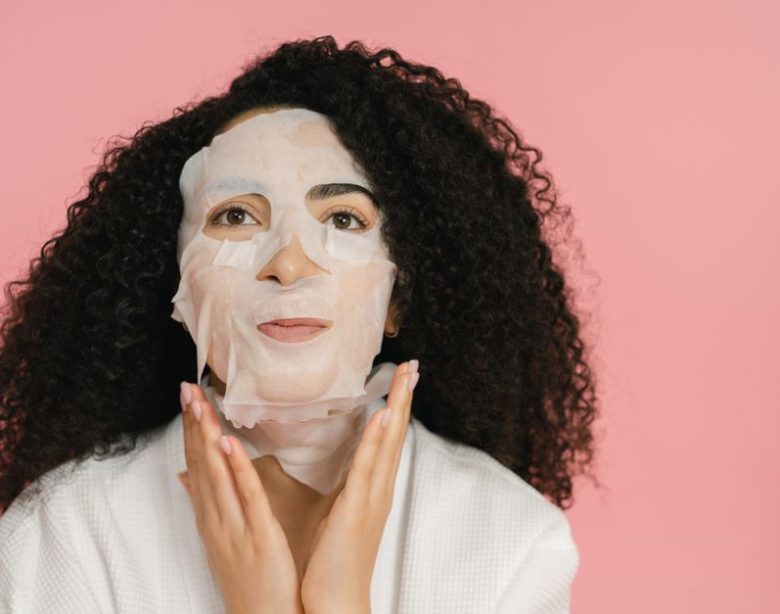
Is cold weather leaving your face tight, flaky, itchy, or suddenly sensitive to products you used all year? The problem is often a weakened skin barrier, not a lack of aggressive treatment. This is not legal advice — consult a licensed attorney. For skincare decisions, the practical rule is simple: reduce irritation first, then add barrier-supporting ingredients in a plain routine.
Why cold air damages the skin barrier
Cold-weather barrier damage starts with water loss. The outermost layer of skin contains cells surrounded by a mixture of ceramides, cholesterol, and fatty acids. Together, these lipids help form a flexible seal that slows the movement of water out of the skin and limits the entry of irritants. Dry winter air contains less moisture than humid air, so water leaves the surface faster. Indoor heating adds another drying pressure.
Wind makes the problem worse by stripping surface oils. Hot showers, foaming cleansers, and repeated exfoliation can remove more of those oils before the skin has time to recover. Once the seal becomes uneven, ordinary products may sting. The redness and tightness can then tempt people to scrub harder or add more treatments, which often extends the irritation.
What ceramides actually do
Ceramides are waxy lipids naturally found in the outer layer of skin. A moisturizer with ceramides can support the spaces between skin cells, especially when the formula also contains cholesterol and fatty acids. The label may list ceramide NP, ceramide AP, or ceramide EOP. No single ceramide guarantees a result, and a product with several ceramides is not automatically better than a simple, well-tolerated cream. The formula, amount applied, and regular use matter more than a dramatic ingredient list.
Why fatty acids and cholesterol matter
Fatty acids help soften the surface and support the lipid mixture that keeps water in the skin. Common examples include linoleic acid, stearic acid, and palmitic acid. Cholesterol also belongs to this barrier lipid group. These ingredients do not work like a scrub or an instant brightener. Their value is cumulative: used consistently, they can make dry skin feel less rough and less reactive.
The strongest approach for winter is a balanced routine that adds water with a gentle moisturizer and reduces the causes of water loss. A thick cream can help, but it cannot fully offset daily hot water, harsh cleansing, or repeated acid use.
How to build a cold-weather barrier routine
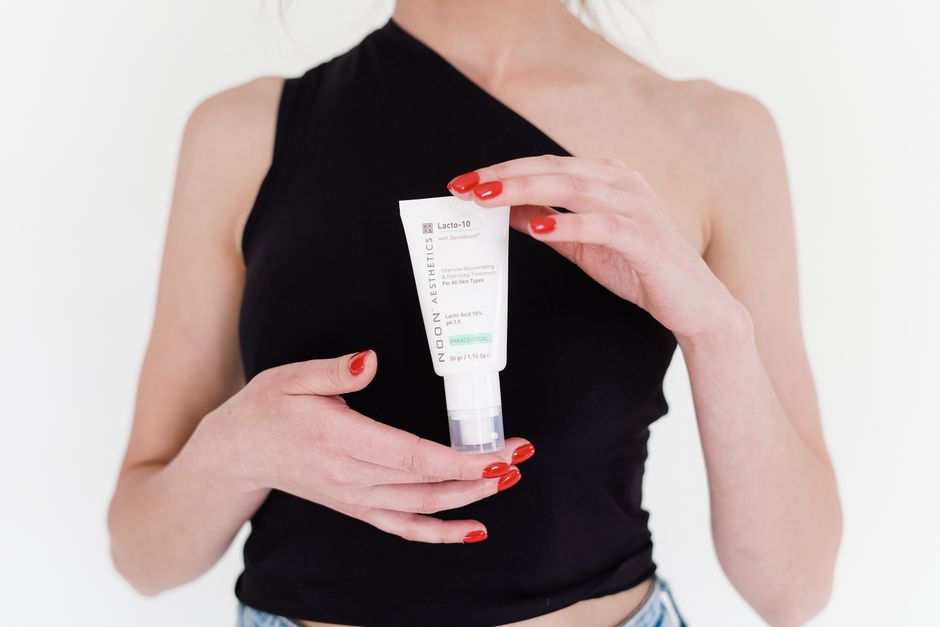
The best routine is short enough to follow every day. Add one change at a time so you can identify the source of a reaction.
Morning order
- Rinse with lukewarm water or use a gentle, low-foam cleanser if you wake up oily.
- Apply a plain moisturizer while the skin is slightly damp. Look for ceramides, glycerin, petrolatum, squalane, or fatty acids.
- Use broad-spectrum SPF 30 or higher. Winter sun and reflected light still contribute to visible skin damage, especially at altitude or near snow.
- Apply a thin layer of petrolatum to the corners of the nose or lips if wind causes cracking. Keep it on the surface; do not use it as a substitute for moisturizer underneath.
Night order
- Remove sunscreen and makeup with a gentle cleanser. Avoid scrubbing with a cloth or cleansing brush.
- Apply moisturizer within a few minutes of washing. A cream usually protects dry skin better than a watery lotion in cold, windy conditions.
- Pause exfoliating acids, retinoids, and strong acne treatments if they burn on contact or leave persistent peeling. Reintroduce one product at a lower frequency after the skin feels calm.
- Use a small amount of an occlusive balm only on areas that still lose moisture overnight.
Do not layer five new products at once. That makes it hard to identify an irritant and can turn a manageable winter flare into weeks of trial and error.
Ceramides versus fatty acids: what should you buy?
Both ingredient groups can support a dry barrier, but they serve different roles. Ceramides are useful when the skin feels tight, rough, or easily irritated. Fatty acids and oils can add softness and reduce the rough feel that comes with flaking. The table below compares well-known options by size, typical U.S. price, and best use. Retail prices vary by store and promotion, so treat the figures as buying benchmarks rather than fixed promises.
Quick comparison for dry winter skin
| Product | Size | Typical price | Useful for | Verdict |
|---|---|---|---|---|
| CeraVe Moisturizing Cream | 19 oz | About $16 | Ceramides, dry face and body | Best value for routine barrier support |
| Stratia Liquid Gold | 60 ml | About $29 | Ceramides, cholesterol, fatty acids | Best targeted option for a damaged-feeling face |
| Vanicream Moisturizing Cream | 16 oz | About $14 | Very sensitive, dry skin | Best simple cream when reactions are common |
| La Roche-Posay Lipikar AP+M | 13.52 oz | About $20 | Very dry face or body | Best rich lotion for widespread dryness |
How to read the comparison
Choose CeraVe Moisturizing Cream when you want a large tub at a low cost and need one product for hands, cheeks, and elbows. Choose Stratia Liquid Gold when you want a lighter facial layer that focuses on a lipid blend and can sit under sunscreen. Vanicream is the safer first purchase for people who react to fragrance or long ingredient lists. La Roche-Posay Lipikar AP+M is the strongest pick for broad body dryness, but its richer feel may be too heavy for an oily face.
The winner for most households is CeraVe Moisturizing Cream because the 19-ounce size makes regular application realistic. The winner for a facial barrier that feels damaged is Stratia Liquid Gold because its formula targets several parts of the skin-lipid mixture.
What to skip when your barrier is irritated
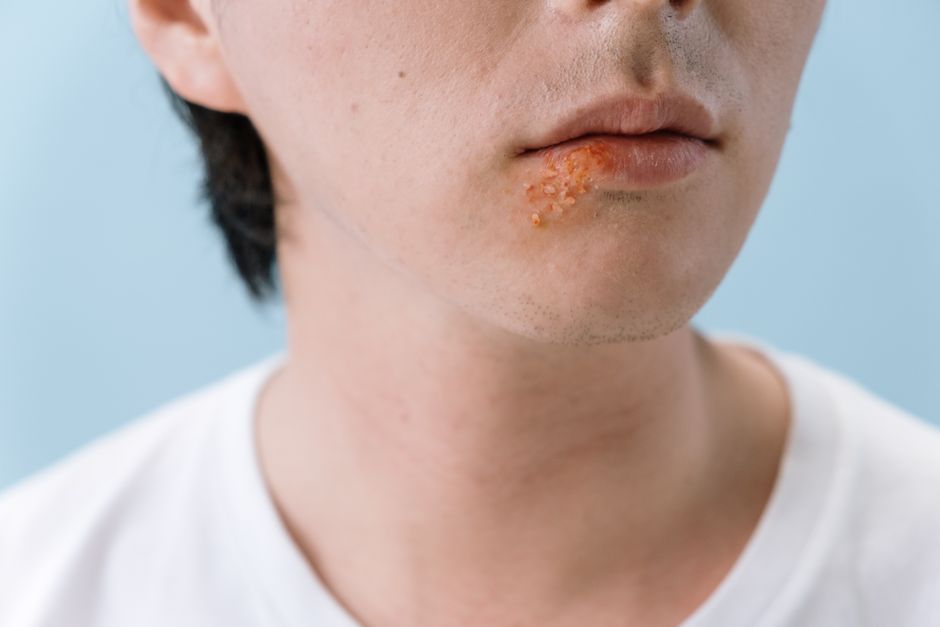
Most winter mistakes come from treating discomfort as a problem to scrub away. A damaged barrier needs fewer stressors, not a more crowded shelf.
Should you stop every active ingredient?
No. Stop or reduce only the products that sting, peel, or leave redness that lasts into the next day. A stable product can remain in the routine. If a retinoid or exfoliating acid causes burning during a cold snap, use it less often or pause it until the skin feels normal. Pushing through pain is not proof that an ingredient is working.
Which common habits cause the most trouble?
- Skip hot water. Use lukewarm water and keep showers short.
- Skip rough scrubs, cleansing brushes, and exfoliating gloves on flaky skin. They remove loose scale but also create more irritation.
- Skip heavily fragranced creams and essential oils when the skin is cracked, itchy, or reactive.
- Skip high-alcohol toners if they leave the face tight immediately after use.
- Skip changing cleanser, serum, moisturizer, and sunscreen in the same week. Introduce one product at a time.
- Skip applying a very thick occlusive layer over untreated irritation if heat, sweat, or acne tends to worsen your symptoms.
Seek medical care for swelling, oozing, severe pain, spreading redness, or a rash that does not improve with gentle care. Those signs can point to eczema, contact dermatitis, infection, or another condition that a moisturizer cannot diagnose.
Which barrier repair moisturizer is worth buying?

My clear pick for most dry winter skin is CeraVe Moisturizing Cream. Its approximately 19-ounce tub costs about $16, contains ceramides, and works on both face and body. It is not the most elegant formula under makeup, but its low cost makes twice-daily use practical. For barrier repair, consistency beats a luxury texture used once a week.
Best choices by skin problem
For a face that feels stripped, tight, and easily irritated, Stratia Liquid Gold is the best targeted choice. The 60 ml bottle typically costs about $29 and includes ceramides, cholesterol, and fatty acids. It is lighter than a traditional body cream, so it can work under sunscreen. It does not replace medical treatment for eczema or infection, and the price per ounce is much higher than CeraVe.
For very sensitive skin, Vanicream Moisturizing Cream is the better first test. The 16-ounce tub usually costs about $14, and its plain, rich texture suits people who react to fragrance or complicated formulas. Its main tradeoff is feel: it can sit heavily on oily facial skin.
For widespread dryness on the body, La Roche-Posay Lipikar AP+M is the strongest rich-lotion option. The 13.52-ounce bottle generally costs about $20 and spreads more easily than a thick tub cream. It is a practical choice for arms, legs, and winter-prone patches, but CeraVe offers better value for a full-body routine.
When not to buy a barrier cream
Do not buy another moisturizer if your current plain cream works and the real problem is hot water, over-cleansing, or too many actives. Do not choose a rich facial cream just because your skin flakes; some flakes come from irritation, acne treatment, or dermatitis and need a different plan. For rough body skin, Eucerin Advanced Repair Cream, often about $13 for 16 ounces, may be useful because it contains urea, but urea can sting freshly cracked skin. Start on intact skin and choose a simpler cream for open splits.
The single most important cold-weather rule is to use a plain, lipid-supporting moisturizer consistently while removing the habits that keep stripping the barrier.