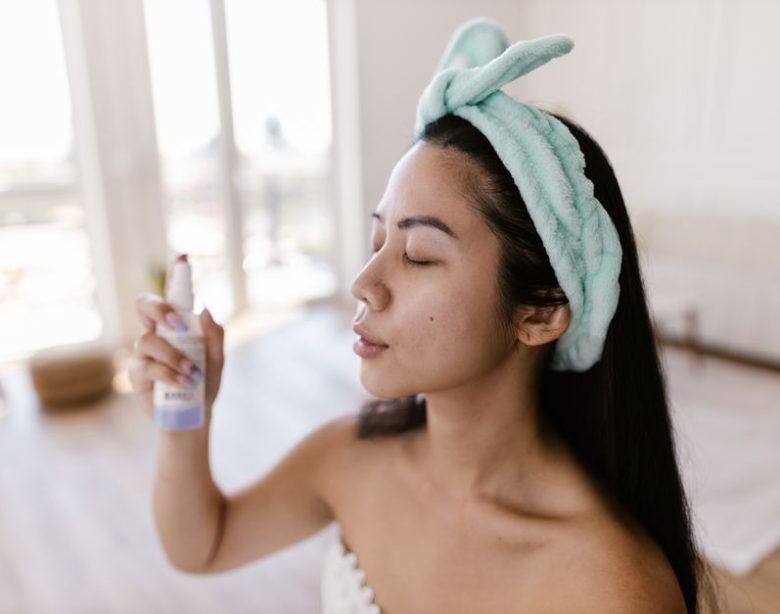
You wash your face at 7 a.m., apply a few drops of vitamin C, and still wonder why your dark spots look exactly the same six weeks later. The problem may not be the serum. It may be storage, layering, sunscreen, or using too much too soon.
What Vitamin C Can Actually Fix
Vitamin C is best treated as a daytime antioxidant, not a magic eraser for every wrinkle and mark. It helps neutralize free radicals created by sunlight and pollution, supports collagen production, and can reduce the look of uneven pigmentation when you use it consistently with broad-spectrum sunscreen.
That distinction matters because topical vitamin C works slowly. It can brighten a dull surface and soften the appearance of post-acne marks, but it cannot remove a deep scar, tighten loose skin, or cancel out ten years of unprotected sun exposure. A strong formula also does not beat a weak routine; 20% vitamin C under no sunscreen is a poor trade.
The best result comes from three habits: apply a fresh serum to clean, dry skin; protect the bottle from heat and light; and wear SPF 30 or higher every morning. Start with two or three mornings per week, then increase only when your skin stays calm. The verdict is simple: vitamin C earns a place in a morning routine when your main goals are brightness, early fine lines, and better defense against daily sun exposure.
How to Build a Vitamin C Morning Routine

Apply products from the thinnest texture to the thickest, then give each layer a moment to settle. A vitamin C serum needs direct contact with the skin, but it does not need to sting to work.
| Step | What to use | Amount | Wait time |
|---|---|---|---|
| 1 | Gentle cleanser | One small dime-sized amount | Rinse and pat dry |
| 2 | Vitamin C serum | 1 to 2 pumps or 3 to 5 drops | 60 seconds |
| 3 | Hydrating serum | 2 to 3 drops | 30 seconds |
| 4 | Moisturizer | Pea-sized amount | Until the surface feels comfortable |
| 5 | Broad-spectrum sunscreen | Two finger lengths for the face and neck | Apply before makeup |
Do not mix every active in one morning. Use exfoliating acids or benzoyl peroxide at another time if your skin becomes dry or reactive. A simple routine gives you a cleaner read on what works, and it leaves less room for pilling under makeup.
My routine verdict: cleanser, vitamin C, moisturizer, and sunscreen are enough. Toner, essence, eye cream, and three extra serums are optional. If the routine takes fifteen minutes, you will eventually skip it.
Why Timeless Gets My Pick Over Pricier Serums
Timeless 20% Vitamin C + E Ferulic Acid Serum is my value pick for experienced vitamin C users. It delivers 20% L-ascorbic acid in a 1 oz, or 30 mL, bottle listed at $27.95 on the US brand site. The formula also contains vitamin E, ferulic acid, panthenol, and sodium hyaluronate. That is a serious active load for the price, but it is not the gentlest way to begin.
What the Timeless formula does well
The formula targets the three reasons people buy antioxidant serums: dull tone, visible sun spots, and early texture changes. L-ascorbic acid is the direct form of vitamin C most often used in high-strength brightening formulas. Vitamin E and ferulic acid add antioxidant support, while panthenol and sodium hyaluronate help the finish feel less stripped.
Timeless tells users to apply 1 to 2 pumps to the face and neck and store the bottle in the refrigerator. That advice is not decoration. L-ascorbic acid loses strength when exposed to oxygen, light, and heat. Buy a bottle you can use steadily, not a large size that sits open for a year. My verdict: choose Timeless if you want a strong, short-ingredient-list serum and your skin already handles active treatments.
How the alternatives compare
Geek & Gorgeous C-Glow is the better starter value. It uses 15% pure vitamin C with ferulic acid and vitamin E, comes in a 30 mL bottle, and is listed at $14.90 on the US site. It has a very watery texture and a short freshness window, so it suits shoppers who will use it quickly and keep it cold.
La Roche-Posay Pure Vitamin C10 Serum uses 10% vitamin C in a 30 mL format and is positioned for sensitive skin, though it also contains salicylic acid, which can bother very dry skin. Paula’s Choice C15 Super Booster uses 15% vitamin C, vitamin E, and ferulic acid in a smaller 0.67 oz bottle. SkinCeuticals C E Ferulic remains the premium benchmark with 15% vitamin C, 1% vitamin E, and 0.5% ferulic acid, but the price is far higher.
For the strongest budget formula, Timeless wins. For a first vitamin C serum, Geek & Gorgeous C-Glow wins. For someone who wants a more established sensitive-skin positioning, La Roche-Posay is the safer first bet.
How to Start Without Burning Your Face
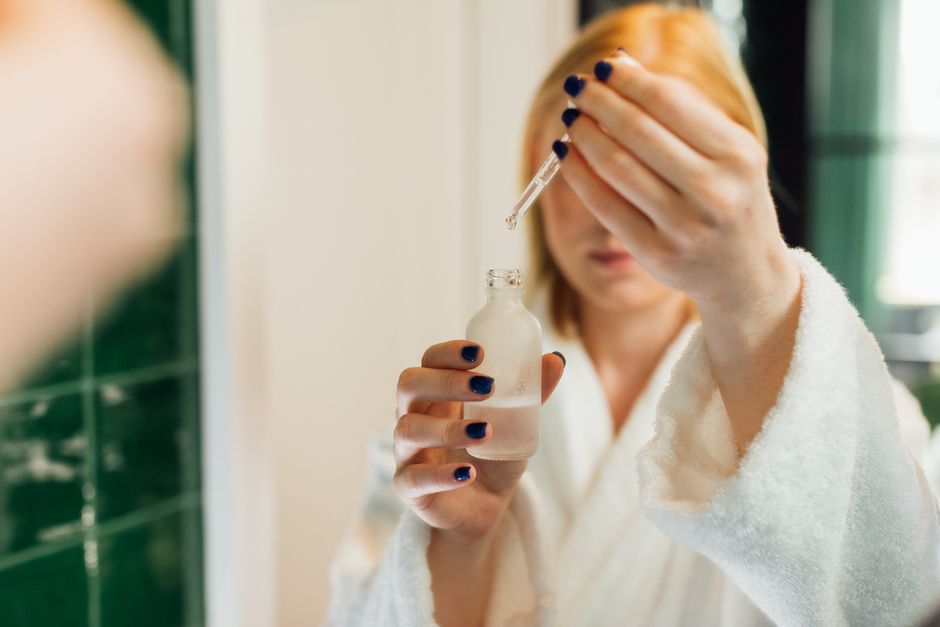
High-strength vitamin C fails most often because people treat it like a moisturizer. Follow this order instead:
- Patch test first. Apply a small amount behind the ear or along the jaw for two mornings. Mild tingling can happen; swelling, hives, or persistent burning means stop.
- Use dry skin. After cleansing, wait until your face is fully dry. Damp skin can make a low-pH serum feel sharper and increase irritation.
- Start with less. Use 1 pump for the whole face and neck. More product will not produce faster collagen or faster fading.
- Begin every other morning. Use the serum twice or three times in the first week. Move to daily use only after redness and tightness stay under control.
- Keep the rest boring. Pair it with a plain moisturizer and sunscreen. Skip a strong exfoliating acid, retinoid, or benzoyl peroxide in the same routine during the adjustment period.
- Store it cold and dark. Keep the bottle in the refrigerator, inside its box or another dark spot. Do not leave it on a sunny bathroom shelf.
- Watch the color. Clear to pale yellow is a normal starting range. Deep orange, brown, or a harsh burnt smell signals oxidation; replace it instead of trying to rescue the bottle.
- Give it time. Judge brightness after eight to twelve weeks, not after three applications. Take photos in the same window light so your comparison is honest.
Do not buy a 20% serum if your skin barrier is already cracked, peeling, or inflamed. Repair that first with gentle cleansing, moisturizer, and sunscreen. Timeless is a poor choice for someone who wants a completely risk-free beginner product; its strength is also its main drawback.
Timeless Vitamin C Serum Questions, Answered

Is Timeless 20% Vitamin C good for wrinkles?
Yes, for early fine lines and rough texture. It supports collagen-related skin processes and protects against some environmental stress, but it will not match a prescription retinoid for wrinkle treatment. Use it in the morning and keep expectations realistic: smoother-looking skin is a months-long result, not an overnight change.
Can sensitive skin use Timeless?
Some sensitive-skin users can, but I would not make it the first choice. Twenty percent L-ascorbic acid can sting, especially after shaving, exfoliating, or using a harsh cleanser. Start with a lower-strength option such as La Roche-Posay Pure Vitamin C10 or use Geek & Gorgeous C-Glow only once or twice weekly. Stop if burning lasts beyond a few minutes or if peeling continues.
When should you skip Timeless and buy something else?
Skip it if you dislike refrigeration, finish bottles slowly, or want a formula designed around a gentler 10% to 15% concentration. Choose C-Glow for the lowest-cost entry, La Roche-Posay for a sensitive-skin-focused option, Paula’s Choice C15 for a polished booster texture, or SkinCeuticals C E Ferulic when budget is not the deciding factor.
My final call: Timeless is the best anti-aging vitamin C value for normal, combination, and resilient skin, provided you use a small amount and protect it from oxidation. So when you wash your face at 7 a.m., keep the routine simple: one pump, moisturizer, and sunscreen. That is the habit that turns a promising bottle into a useful one.