Dealing with an oily scalp can be frustrating. Excess sebum leaves hair looking greasy, limp, and feeling dirty, often just hours after washing. The right shampoo can make a significant difference, managing oil production without over-drying your scalp or stripping your hair.
Understanding Oily Hair: Why Your Scalp Overproduces Oil
Oily hair is primarily a result of an overactive sebaceous gland. These glands, located at the base of each hair follicle, produce sebum. Sebum is a natural oil that moisturizes the scalp and hair, keeping it healthy. However, when these glands produce too much sebum, hair quickly becomes greasy. This isn’t just a cosmetic issue; an overly oily scalp can also lead to itching, irritation, and even certain types of dandruff.
Understanding the root causes helps in choosing the most effective management strategy. It’s not always about scrubbing harder or washing more often. Sometimes, it’s about addressing internal and external factors that contribute to the oiliness.
Genetic Predisposition and Hormonal Influences
Genetics play a significant role in how much sebum your scalp produces. If your parents have oily skin or hair, you’re more likely to experience it too. It’s part of your natural biological makeup. Hormonal fluctuations are another major factor. Androgens, a type of hormone, stimulate sebum production. This is why many people experience oilier hair during puberty, menstruation, pregnancy, or periods of high stress, when hormone levels can be erratic. Controlling these internal factors directly is difficult, but understanding their impact helps in choosing supportive hair care.
Environmental Factors and Product Buildup
Your environment can also affect scalp oiliness. High humidity can make hair feel greasier faster, as the scalp tries to balance moisture levels. Pollution and airborne particles can stick to oily hair, making it look dull and dirty. Beyond environmental factors, the products you use contribute to the problem. Heavy conditioners, styling creams, and silicones can build up on the scalp, clogging follicles and trapping oil. This buildup creates a cycle where the scalp feels dirty, prompting more washing, which can sometimes paradoxically stimulate more oil production if harsh shampoos are used.
Key Ingredients to Look For in Oily Hair Shampoos
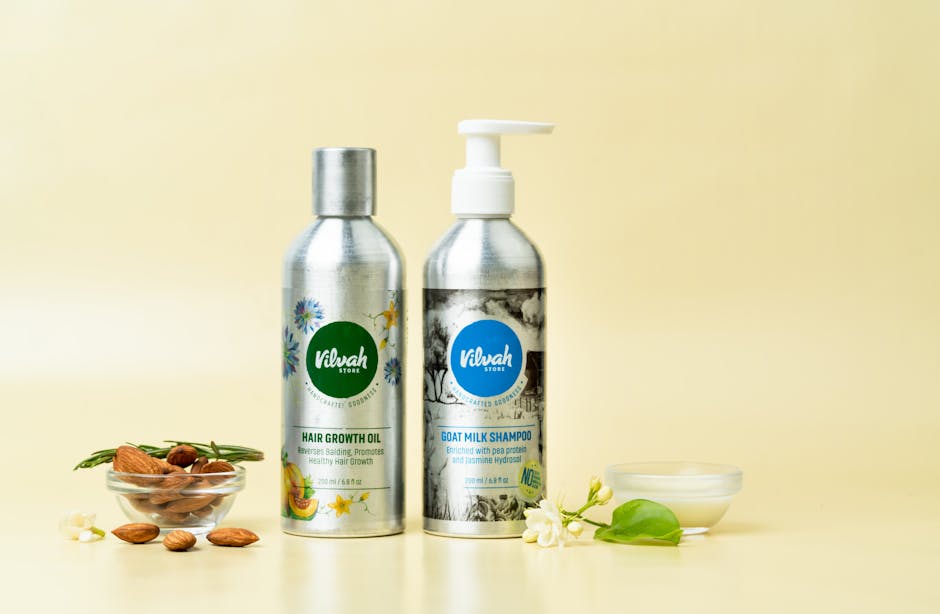
Choosing the right shampoo means understanding its ingredients. Certain components are highly effective at managing excess sebum, clarifying the scalp, and maintaining balance. Not all ingredients work for everyone, so identifying what your scalp responds best to is key. Look for these specific agents.
-
Salicylic Acid and Glycolic Acid
These are beta-hydroxy acid (BHA) and alpha-hydroxy acid (AHA) respectively. Salicylic acid is oil-soluble, allowing it to penetrate deeper into the hair follicles to dissolve sebum and dead skin cells. It’s excellent for exfoliation and preventing buildup. Glycolic acid, being water-soluble, exfoliates the surface of the scalp, promoting cell turnover and ensuring a cleaner, fresher feel. Both help to gently unblock pores, reducing the greasy appearance.
-
Zinc PCA and Tea Tree Oil
Zinc PCA is a powerful sebum-regulating ingredient. It helps normalize oil production, reducing the greasy sheen without stripping the scalp. It also has antimicrobial properties, which can be beneficial for those with oily scalps prone to irritation. Tea Tree Oil is a natural essential oil known for its antiseptic and antifungal properties. It can help cleanse the scalp, reduce inflammation, and control bacteria that contribute to oiliness and odor. Look for it in formulas designed to invigorate and purify the scalp.
-
Clays and Charcoal
Ingredients like bentonite clay, kaolin clay, and activated charcoal are excellent absorbents. They act like magnets, drawing out impurities, excess oil, and product buildup from the scalp and hair. These ingredients provide a detoxifying effect, leaving the scalp feeling deeply cleansed. Shampoos containing these often feel purifying and are best used periodically as a deeper clean rather than for every wash.
Top Shampoos for Oily Scalps: Our Picks
Finding the right product makes all the difference. We’ve identified specific shampoos that excel at managing oily scalps, based on their formulations and effectiveness. Each offers a distinct approach to controlling sebum without causing dryness or irritation. The goal is a balanced, refreshed scalp and clean-feeling hair.
Best for Daily Use: Kérastase Specifique Bain Divalent
The Kérastase Specifique Bain Divalent is our top recommendation for daily use. This shampoo is specifically formulated to treat oily roots while simultaneously nourishing sensitized lengths. It contains Glycine, an amino acid that helps regulate sebum production, and Vitamin B6, which provides balance. It cleanses thoroughly without stripping, leaving the scalp feeling fresh and the hair soft. It’s a premium option, but the results justify the price for many with consistently oily roots.
Best for Deep Detox: OUAI Detox Shampoo
For a truly deep clean, the OUAI Detox Shampoo stands out. It’s designed to remove dirt, oil, hard water deposits, and product buildup. Formulated with apple cider vinegar, which helps to exfoliate and rebalance the scalp, and chelating agents to remove mineral buildup, it offers a powerful reset. This shampoo is potent; use it once a week or every other week to prevent over-stripping. It leaves the scalp feeling incredibly clean and refreshed.
Best Budget-Friendly: Neutrogena Healthy Scalp Clarify & Shine
The Neutrogena Healthy Scalp Clarify & Shine Shampoo offers excellent performance at an accessible price point. Infused with pink grapefruit, it helps clarify the scalp and hair, removing residue and excess oil. It’s gentle enough for regular use but effective enough to make a noticeable difference in oil control. This is a solid choice for anyone seeking effective oil management without a significant investment.
How Often Should You Wash Oily Hair?
Washing oily hair daily is often necessary for many people. It helps remove excess sebum, sweat, and product buildup that can weigh hair down. Some find that over-washing can stimulate more oil, but for others, daily washing is the only way to maintain freshness. Pay attention to your scalp’s response; adjust frequency based on how your hair feels and looks.
Common Mistakes When Washing Oily Hair
Many common habits actually worsen oily hair conditions. Understanding these missteps can help you optimize your washing routine and achieve better, longer-lasting results. It’s not just about the shampoo, but how you use it.
Should I skip conditioner?
No, you should not skip conditioner entirely. While it might seem counterintuitive, conditioner is crucial for moisturizing the hair strands, preventing them from becoming dry and brittle. Instead, focus on applying a lightweight conditioner only to the mid-lengths and ends of your hair, avoiding the scalp. Products like Living Proof Perfect Hair Day Conditioner are good choices as they are formulated to be light. This ensures hydration where needed without contributing to scalp oiliness.
Is hot water bad for oily hair?
Yes, very hot water can oiliness. Hot water can strip the scalp of its natural oils more aggressively, which can signal your sebaceous glands to produce even more sebum to compensate. It also opens up pores, potentially leading to more oil secretion. Use lukewarm water for washing your hair. Finish with a cool rinse to help close the hair cuticles and pores, which can also add shine.
Does over-brushing spread oil?
Absolutely. Over-brushing or excessive touching of your hair and scalp can spread sebum from the roots down the hair shaft. This makes your hair look greasier faster. It also stimulates the sebaceous glands, potentially increasing oil production. Brush your hair only as much as needed to detangle or style, and ensure your brushes are clean to avoid re-depositing old oil and product buildup.
Clarifying vs. Balancing Shampoos: What’s the Difference?
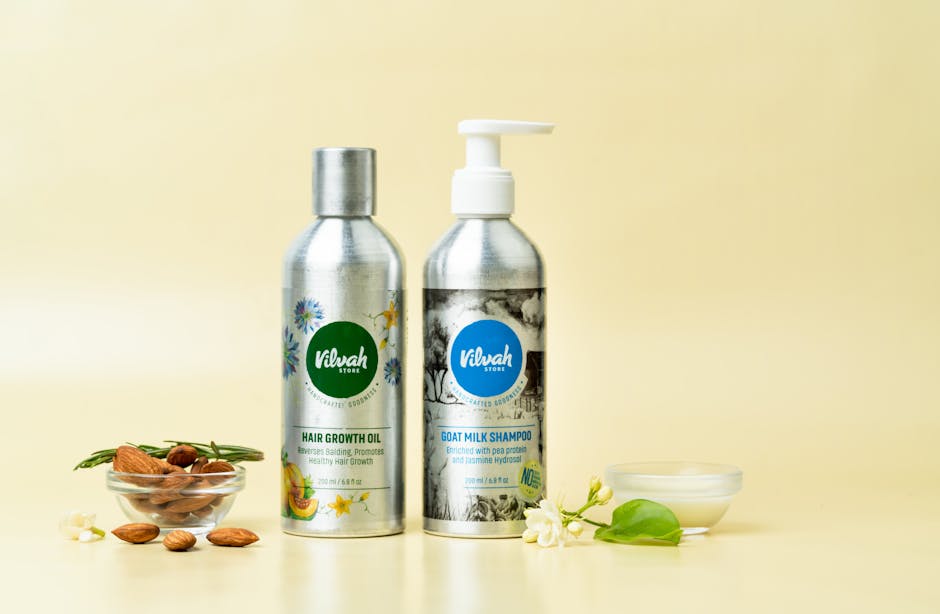
Both clarifying and balancing shampoos target oily hair, but they do so with different intensities and purposes. Choosing between them depends on your specific needs and how oily your scalp truly is. One isn’t necessarily better; they serve different functions within a hair care routine.
| Feature | Clarifying Shampoos | Balancing Shampoos |
|---|---|---|
| Primary Goal | Deep cleanse, remove buildup | Regulate oil, maintain scalp health |
| Key Ingredients | Stronger surfactants (e.g., Sodium Laureth Sulfate), chelating agents, Apple Cider Vinegar | Milder surfactants, Zinc PCA, Salicylic Acid, Tea Tree Oil, Niacinamide |
| Frequency of Use | Once a week or every other week | Daily or every other day |
| Effect on Hair | Can feel stripped, very clean | Clean, but not overly dry or squeaky |
| Best For | Heavy product users, hard water areas, very oily/congested scalps | Daily oil management, sensitive oily scalps |
| Example Product | OUAI Detox Shampoo | Kérastase Specifique Bain Divalent |
Clarifying Shampoos Explained
Clarifying shampoos are formulated for a deep clean. They contain stronger surfactants that effectively strip away oil, product residue, and mineral buildup from hard water. Think of them as a reset button for your hair and scalp. While highly effective, they can be too harsh for daily use, potentially leading to a dry scalp or faded hair color. Use them sparingly to avoid over-stripping your scalp, which can trigger it to produce even more oil in response. A good clarifying shampoo, like the Paul Mitchell Tea Tree Special Shampoo, leaves the scalp feeling exceptionally clean and refreshed.
Balancing Shampoos Explained
Balancing shampoos are designed for regular use. Their goal is to gently cleanse the scalp and hair, removing excess oil without completely stripping away natural moisture. They often contain ingredients that help regulate sebum production over time, promoting a healthier scalp environment. These shampoos are milder and aim to maintain the scalp’s natural balance. They are suitable for daily or frequent washing, ensuring your hair feels clean and fresh without the risk of over-drying. Living Proof Perfect Hair Day Oil Control Shampoo is an excellent example, aiming to keep hair cleaner for longer without aggressive stripping.
Beyond Shampoo: Complementary Tips for Managing Scalp Oil
While the right shampoo is fundamental, managing an oily scalp effectively involves a holistic approach. Integrating other practices and products can significantly enhance results, keeping your hair looking and feeling fresh between washes. These tips focus on scalp health and maintenance.
-
Scalp Treatments and Exfoliants
Consider adding a scalp treatment or exfoliant to your routine, especially if you experience persistent buildup or oiliness. Products like Briogeo Scalp Revival Charcoal + Peppermint Oil Clearing Scalp Scrub can physically or chemically exfoliate the scalp, removing dead skin cells, excess sebum, and product residue that even shampoo might miss. These treatments purify the scalp, creating a healthier environment for hair growth and reducing the likelihood of future oil buildup. Use them once or twice a week before shampooing.
-
Dry Shampoo Best Practices
Dry shampoo is an excellent tool for extending time between washes and absorbing excess oil. However, its application matters. Apply it to the roots of dry hair before bed or immediately after washing when your hair is still clean but you know it will get oily. This allows the product to absorb oil as it’s produced. Choose a lightweight formula and spray from about 6-8 inches away. Distribute evenly, let it sit for a few minutes, then brush through. Over-reliance or improper application can lead to buildup, so use it strategically.
-
Hair Styling Considerations
How you style your hair also impacts oiliness. Tight hairstyles can press hair against the scalp, making it absorb more oil. Avoid constantly touching your hair, as oil and dirt from your hands transfer easily. Opt for looser styles or updos that allow your scalp to breathe. Regularly clean your hair brushes and combs to prevent transferring old oil and product residue back onto your clean hair. Even pillowcases should be washed frequently to remove accumulated oils and skin cells.”