Did you know that by age 50, roughly 40% of women and 50% of men in places like Hong Kong will experience noticeable hair loss? Many people face this reality much earlier, sometimes in their 20s or 30s. The immediate thought? Find a shampoo that stops it. But walking into a Mannings or Watsons and picking a bottle at random is often a waste of money and precious time. Real results come from understanding what causes hair loss and choosing products based on science, not just marketing hype.
This guide cuts through the noise. We’ll explore the real science behind hair loss, highlight ingredients that actually make a difference, and pinpoint the best hair loss shampoos available in Hong Kong for 2026, complete with prices and usage tips. You’ll learn how to build an effective routine and what common pitfalls to sidestep, ensuring your effort goes into solutions that truly count.
What Actually Causes Hair Loss (It’s Not Always What You Think)
Before you even think about shampoo, it’s crucial to understand why your hair might be thinning. Hair loss isn’t a one-size-fits-all problem; its causes are diverse, and identifying the root issue is the first step toward effective treatment. Many people assume stress or poor diet are the primary culprits, and while these can contribute, often a more complex biological mechanism is at play.
Understanding Androgenetic Alopecia and DHT
The most common cause of hair loss, affecting both men and women, is androgenetic alopecia, often called male or female pattern baldness. This condition is genetic and hereditary. It involves a hormone called dihydrotestosterone (DHT), a byproduct of testosterone. In individuals genetically predisposed, hair follicles become overly sensitive to DHT. This sensitivity causes the follicles to shrink, producing progressively finer, shorter hair over time until they eventually stop producing hair altogether. Shampoos aimed at blocking DHT are specifically designed to address this mechanism, attempting to reduce the impact of this hormone on sensitive follicles. This is why many effective hair loss shampoos focus on ingredients that interfere with the DHT pathway.
Other Factors: Stress, Diet, and Scalp Health
While DHT is a major player, other factors can accelerate or initiate hair loss. Stress, particularly severe or prolonged stress, can push a large number of hair follicles into a resting phase prematurely, leading to a condition called telogen effluvium. This results in widespread shedding, often noticeable a few months after the stressful event. Nutritional deficiencies, such as low iron, vitamin D, or protein, can also impact hair growth cycles. A balanced diet rich in vitamins and minerals is essential for healthy hair. Moreover, a healthy scalp environment is non-negotiable. Conditions like dandruff, seborrheic dermatitis, or excessive oil production can create inflammation, which, over time, can damage follicles and impede healthy growth. Sometimes, even aggressive styling, tight hairstyles, or chemical treatments can contribute to breakage and thinning.
When to See a Dermatologist in Hong Kong
Self-diagnosis and treatment with over-the-counter shampoos can only go so far. If you’re experiencing sudden, rapid, or significant hair loss, or if your hair loss is accompanied by scalp itching, redness, pain, or unusual scaling, it’s imperative to consult a dermatologist. A doctor can accurately diagnose the type of hair loss, rule out underlying medical conditions (like thyroid issues or autoimmune diseases), and recommend prescription treatments if necessary. In Hong Kong, specialists are available through public hospitals or private clinics. Early diagnosis can often prevent further progression and lead to more effective management of your condition.
Separating Fact from Fiction: Hair Loss Ingredients That Work
The market is flooded with hair loss shampoos, each promising revolutionary results. Many contain exotic plant extracts with little scientific backing. To cut through the marketing, focus on ingredients with proven efficacy. These aren’t magic bullets, but they do offer a measurable impact on hair health and follicle stimulation.
-
Ketoconazole: More Than Just Dandruff Control
Primarily known as an antifungal agent for dandruff, ketoconazole has also shown promise in combating hair loss. Studies suggest that 2% ketoconazole shampoos can have anti-androgenic effects, meaning they can help block the production or action of DHT on hair follicles. While not as potent as prescription-strength minoxidil, it can be a valuable addition to a hair loss regimen, especially if you also suffer from scalp conditions like seborrheic dermatitis. It helps reduce inflammation and creates a healthier environment for hair growth. You’ll often find it in medicated shampoos like Nizoral.
-
Caffeine: A Stimulant for Follicles?
Yes, the same caffeine that wakes you up can also perk up your hair follicles. Research indicates that topical caffeine can stimulate hair growth and counteract the suppressive effects of testosterone on hair follicles. It appears to prolong the anagen (growth) phase of the hair cycle. While the concentration and delivery system in shampoo are important, many brands now incorporate caffeine into their hair loss formulas. Consistency is key with caffeine-based products.
-
Peptides and Plant Extracts: Supporting Hair Health
While not direct DHT blockers in the same league as ketoconazole, ingredients like various peptides and specific plant extracts can support overall scalp health and hair strength. Peptides can signal cells to repair and rejuvenate, potentially improving the environment for hair growth. Plant extracts such as saw palmetto, stinging nettle, and pumpkin seed oil are often included for their perceived anti-androgenic properties, though scientific evidence for their efficacy in shampoo form is still developing compared to oral supplements. Biotin (Vitamin B7) is another common ingredient, essential for keratin production, which is the main protein in hair. While biotin deficiency can cause hair loss, supplementing or applying it topically only helps if you are deficient; otherwise, its direct impact on non-deficient hair loss is limited.
-
Minoxidil (Topical vs. Shampoo): A Key Distinction
It’s important to clarify that while minoxidil is a gold standard for treating hair loss, especially androgenetic alopecia, it is predominantly used as a topical leave-on solution (e.g., Rogaine, Regaine). You will rarely find effective concentrations of minoxidil in a shampoo that gets rinsed off quickly. Shampoos claiming minoxidil often contain very low, ineffective amounts, or are simply using the name for marketing. For true minoxidil benefits, stick to the dedicated topical solutions applied to a dry scalp.
Top Shampoos for Hair Loss in Hong Kong (2026 Picks)
Based on ingredient efficacy, user reviews, and availability in Hong Kong, here are specific recommendations for hair loss shampoos. These products are chosen for their active ingredients, brand reputation, and ability to address different types of hair loss concerns. Prices are approximate for 2026 and can vary slightly between retailers like Watsons, Mannings, and specialized beauty stores.
| Product Name | Key Active Ingredients | Best For | Approx. Price (HKD) | Size |
|---|---|---|---|---|
| Rene Furterer Forticea Energizing Shampoo | Guarana extract, essential oils (orange, lavender, rosemary) | Stimulating microcirculation, strengthening hair from roots. General thinning. | $280 | 200ml |
| Nizoral Anti-Dandruff Shampoo | Ketoconazole (2%) | Hair loss associated with oily scalp, dandruff, or fungal issues. DHT blocking benefits. | $120 | 200ml |
| Kérastase Specifique Bain Prévention Shampoo | Système Pro-Actif (anti-bacterial, soothing, regulating agents) | Preventative measure for thinning hair, sensitive scalp, general hair fall. | $250 | 250ml |
| Phyto Phytocyane Densifying Treatment Shampoo | Ginkgo biloba, Cinchona bark extract, Progenium complex | Reactive hair loss (stress, diet, seasonal), strengthening fragile hair. | $260 | 200ml |
| Alpecin Caffeine Shampoo C1 | Caffeine, Zinc, Niacinamide | Stimulating follicles, extending hair growth phase. For male pattern hair loss. | $99 | 250ml |
Best Overall Stimulant: Rene Furterer Forticea Energizing Shampoo (HKD $280)
My top pick for general hair thinning and boosting scalp vitality is the Rene Furterer Forticea Energizing Shampoo. This shampoo isn’t a direct DHT blocker, but its strength lies in its unique formula designed to stimulate microcirculation in the scalp. It contains guarana extract, known for its energizing properties, along with encapsulated essential oils of orange, lavender, and rosemary. These oils are released during shampooing, providing a gentle massage and enhancing blood flow to the hair follicles. Improved blood flow means more nutrients and oxygen reach the follicles, creating a healthier environment for hair growth. It also strengthens the hair shaft itself, reducing breakage. It’s a fantastic foundational shampoo for almost anyone experiencing early to moderate hair thinning, available at pharmacies and beauty counters across Hong Kong.
For Oily Scalp & Fungal Causes: Nizoral Anti-Dandruff Shampoo (HKD $120)
If your hair loss is accompanied by an oily scalp, itching, or flaking, Nizoral Anti-Dandruff Shampoo is a smart choice. Its active ingredient, 2% ketoconazole, is an antifungal that tackles issues like seborrheic dermatitis, which can contribute to hair loss by inflaming the scalp. The bonus? Ketoconazole has been shown to have anti-androgenic properties, potentially helping to reduce the effect of DHT on hair follicles. It’s a potent, cost-effective solution often found in Watsons or Mannings. Use it 2-3 times a week, leaving it on for a few minutes before rinsing, and alternate with a gentler shampoo on other days.
Targeting Hair Fragility: Kérastase Specifique Bain Prévention (HKD $250)
For those experiencing general hair fall, especially due to weakened hair or a sensitive scalp, the Kérastase Specifique Bain Prévention Shampoo is excellent. It focuses on creating an optimal scalp environment for healthy growth. Its Système Pro-Actif technology incorporates anti-bacterial agents to purify the scalp, soothing agents to calm irritation, and regulating agents to balance oil production. It doesn’t promise dramatic regrowth but aims to prevent further hair loss by fortifying existing hair and improving scalp health. It’s a luxurious option often found in high-end salons and department stores in Hong Kong, providing a sophisticated approach to preventative care.
Maximizing Shampoo Effectiveness: Your Step-by-Step Routine
Simply buying an effective shampoo isn’t enough; how you use it significantly impacts its performance. Hair loss shampoos are treatments, not just cleansers. Consistency and correct application are vital for seeing any real difference.
How often should you use a hair loss shampoo?
Most hair loss shampoos are formulated for frequent use, typically 3-5 times a week. For ingredients like ketoconazole, twice a week might suffice, with a regular shampoo on other days. The key is consistency. Skipping days or weeks will diminish any potential benefits. Read the specific instructions on your chosen product, as formulations vary. Many products are designed to be gentle enough for daily use, ensuring a continuous supply of active ingredients to the scalp.
Should you alternate with other shampoos?
Yes, often it’s beneficial to alternate. If your hair loss shampoo contains potent active ingredients (like ketoconazole), using it daily might be too drying for your hair strands, even if it’s good for the scalp. A common strategy is to use your hair loss shampoo 2-3 times a week, focusing on scalp application, and on other wash days, use a gentle, moisturizing, sulfate-free shampoo to care for the lengths of your hair. This helps maintain overall hair health and prevents excessive dryness or irritation.
What other products complement a hair loss shampoo?
A hair loss shampoo is often just one component of a comprehensive strategy. Consider adding a leave-on scalp treatment or serum. These products often contain higher concentrations of active ingredients (like minoxidil, peptides, or plant extracts) that stay on the scalp for longer, allowing for better absorption. Look for serums with ingredients such as caffeine, biotin, or specific growth factors. A lightweight conditioner focused on strengthening fragile hair can also be beneficial for the lengths. Avoid heavy styling products that can clog follicles or pull at the hair.
When can you expect to see improvements?
Patience is . Hair growth is a slow process. Most people need to use a hair loss shampoo consistently for at least 3-6 months before noticing any visible reduction in shedding or new growth. Initial improvements might just be a decrease in hair fall. New hair, if it grows, will start as fine, vellus hair before thickening over time. Don’t expect dramatic overnight changes. Track your progress with photos every few months to objectively assess results. If after six months you see no improvement, it might be time to revisit a dermatologist or consider alternative treatments.
Beyond the Bottle: Holistic Scalp Care for Lasting Health
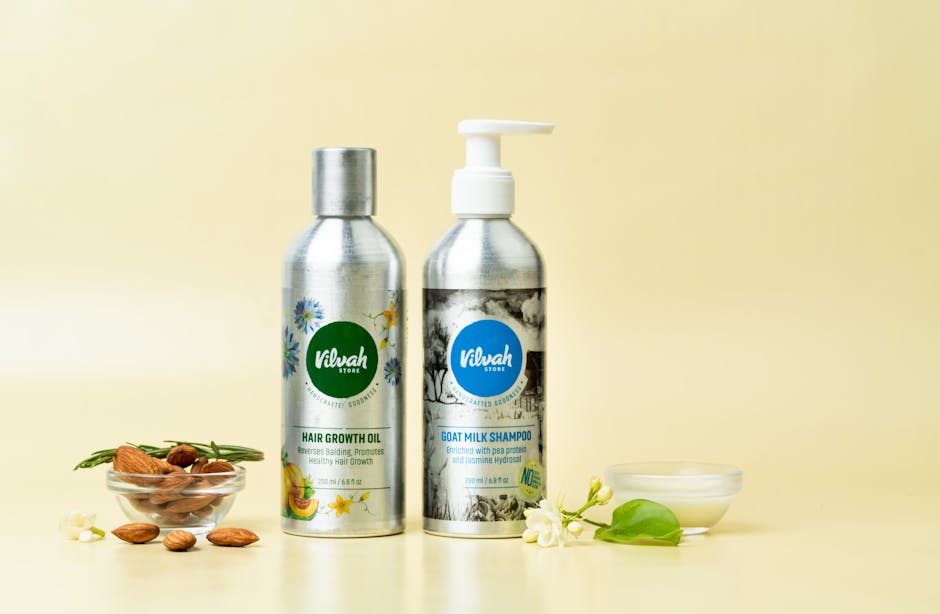
Relying solely on a shampoo to solve complex hair loss issues is a common mistake. While effective shampoos play a crucial role, they are most powerful when integrated into a holistic approach to scalp and hair health. The biggest mistake isn’t choosing the wrong product, but having unrealistic expectations or ignoring underlying health issues that contribute to hair loss.
- Gentle Handling: Avoid harsh brushing or tight hairstyles that pull at the roots.
- Balanced Diet: Ensure adequate protein, iron, zinc, and B vitamins.
- Stress Management: Practice mindfulness, exercise, or other stress-reducing activities.
- Regular Scalp Massage: Boosts circulation and can stimulate follicles.
- Professional Advice: Consult a dermatologist for persistent or severe hair loss.
Remember that initial surprise about how common hair loss is? By understanding the causes, choosing the right shampoo for your specific situation, and maintaining a consistent routine, you’re not just hoping for a miracle; you’re actively taking control. Combining a scientifically-backed shampoo with good lifestyle habits and, when necessary, professional medical advice, gives you the best chance at healthier, fuller-looking hair. It’s about empowering yourself with knowledge and consistent action, turning a common concern into a manageable journey.