
Pergola vs. Gazebo: Which Outdoor Structure Is Worth $3,400?
You’ve looked at your bare concrete patio for two summers. You priced a custom-built aluminum pergola through a local contractor and nearly fell over — $9,000 to $14,000, installed. So now you’re in the prefab category, looking at structures in the $3,000–$4,000 range, trying to figure out whether anything at this price point actually holds up or buying an expensive pile of frustration.
This is not financial advice. Outdoor structures are home improvement expenses, not guaranteed assets. Whether this adds to your resale value depends entirely on your local market, HOA rules, and whether the thing is still standing in five years.
Here’s an honest look at what separates quality structures from junk at this price tier, which products are worth considering, and what no product listing will tell you upfront.
What Separates a $400 Pergola from a $3,400 One
The gap isn’t markup. It’s engineering. Three specific things — frame material, roof design, and anchoring — account for almost every quality difference in this category.
Frame Material: Why Aluminum Is the Only Right Answer
Wood pergolas rot. Cedar and pressure-treated pine need stripping and resealing every two to three years — a maintenance cost most buyers completely ignore at purchase. Leave a wood frame untreated through two Pacific Northwest winters or one humid Gulf Coast summer and you’re looking at structural failure, not cosmetic damage.
Steel rusts at the welds. Powder-coated steel delays the problem but doesn’t solve it — once the coating chips (and it will, where hardware contacts the frame), rust sets in fast. Galvanized steel lasts longer but still degrades in salt air within five to seven years.
Powder-coated aluminum doesn’t rust, doesn’t rot, doesn’t require seasonal treatment, and maintains structural integrity across wide temperature swings. It costs more upfront. It costs less over a decade.
The distinction that actually matters within aluminum is wall thickness. Mass-market cheap structures use folded or stamped 0.8–1mm aluminum. Under real wind load — 50 mph gusts, which happen in most of the country during summer storms — thin-walled aluminum bends at the post connection points. Structural aluminum starts at 1.8–2mm wall thickness on extruded profiles. That’s the spec to look for, and it’s the spec that separates $3,400 structures from $800 ones.
Roof Design: The Louvered Difference
Fixed polycarbonate panel roofs block rain but trap heat. The temperature under a sealed polycarbonate roof on a sunny July afternoon runs 10–15°F above ambient. That defeats the purpose of outdoor shade for a significant part of the year.
Fabric canopies sag after heavy rain, mildew within two seasons, and degrade from UV exposure faster than any manufacturer’s marketing implies. Budget roughly $200–$400 every three years to replace fabric on a canopy structure — and factor that into your true cost comparison.
Louvered roofs — adjustable aluminum slats you rotate open or closed, manually or by remote — solve both problems. Open louvers for airflow on a nice day. Close them for shade or rain protection. And when rain hits closed louvers, it channels through the slats into hollow vertical posts with an integrated drainage system, rather than pooling on the roof or cascading off the edge onto whatever’s underneath.
That drainage integration is the engineering detail that separates professional-grade structures from everything below them. Water management is where outdoor structures fail over time, not the frame itself.
Post Anchoring: The Detail Most Buyers Skip
Most backyard structure failures happen at the anchor points. Not the roof, not the frame — the posts.
Any permanent structure over roughly 150 square feet needs concrete footings, not just lag bolts into decking or steel stakes driven into soil. Footings for a 12×24 structure mean four to six concrete cylinders, typically 12 inches in diameter and 18–24 inches deep. In frost-prone climates (most of the northern U.S.), footings need to reach below the frost line — 36–48 inches in many states — or frost heave will shift and crack the footings each winter.
If a product listing doesn’t describe anchoring requirements or ground preparation standards, that’s a meaningful signal about how seriously the manufacturer takes structural engineering.
The Garveelife 12×24 Louvered Pergola — Is the Price Justified?
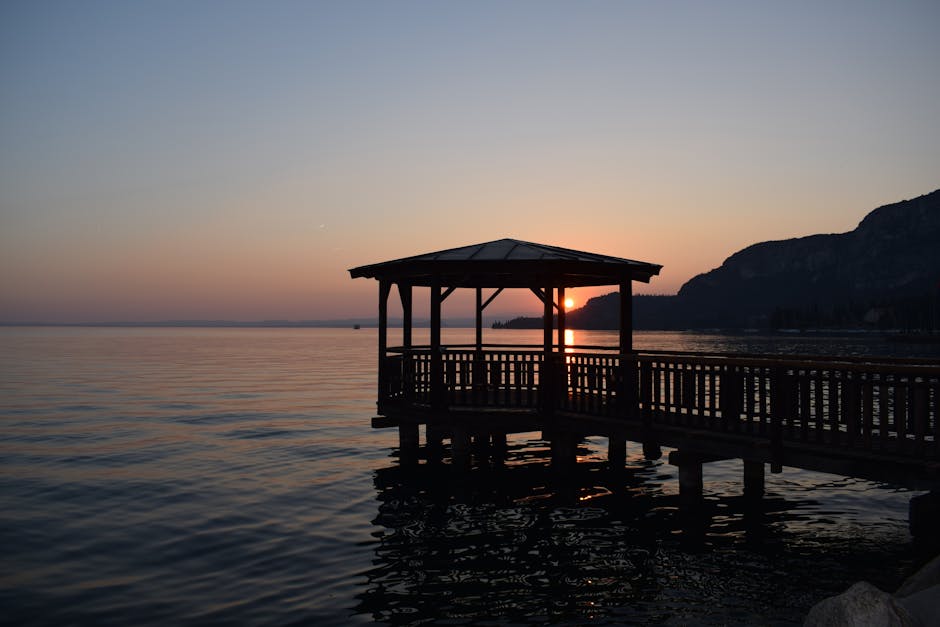
For most buyers in this category: yes. Here’s the math that supports that.
At $3,399.99 for 288 square feet of covered space, you’re paying $11.80 per square foot for an all-aluminum louvered structure with integrated drainage. Comparable custom installations from landscape contractors typically run $25–$40 per square foot — that’s a $4,000–$8,300 premium over this kit for comparable or similar materials, plus you’re waiting weeks for contractor availability.
The Garveelife all-aluminum louvered pergola uses a reinforced extruded aluminum frame, an adjustable louvered roof system, and posts engineered to channel drainage internally. At 12 ft × 24 ft, the footprint is substantial: enough for a full dining table setup, a separate seating area, and a grill station, with actual circulation space between them. This is not a tight squeeze.
The 4.4-Star Rating on 6 Reviews — Don’t Over-Read It
A 4.4/5 from 6 reviews is not statistically meaningful. It’s not a warning sign — new products from legitimate manufacturers often have thin review counts at launch. But it’s not the same signal as a 4.4 from 600 reviews either. Treat the rating as a neutral data point, not a validation.
What to look at instead: Do the existing reviews discuss installation complexity? Missing or damaged parts on arrival? The quality of the instructions? Those specifics tell you more than a star average from a handful of buyers.
Sizing Check Before You Order
24 feet is longer than most buyers picture when they read the spec sheet. That’s eight yards — longer than a full-size SUV with room to spare. Before ordering anything in this size class, stake out the dimensions in your yard with string lines. Also confirm setback requirements from your property lines; most municipalities require 5–10 feet of clearance for permanent structures, sometimes more near fences or neighboring structures.
Three Things to Check Before Buying Any Outdoor Structure
- HOA approval — before everything else. Some HOAs prohibit permanent outdoor structures. Others require prior written approval with specific color, height, or material restrictions. A $3,400 structure you’re forced to remove after installation is a $3,400 loss, plus removal costs. Call your HOA management company before you buy anything, not after it arrives on a freight truck.
- Local building permit requirements. In most U.S. counties and municipalities, permanent structures over 200 square feet require a building permit. The Garveelife 12×24 (288 sq ft) crosses that threshold almost everywhere. Permit fees are modest — typically $50–$300. But fines for unpermitted structures discovered during a home sale inspection can run $500–$5,000, and some lenders require removal before closing. The permit process is an annoyance. The alternative is worse.
- True all-in cost, not just the product price. The structure price is not your total cost. Add concrete materials and footing labor ($400–$900), assembly labor if you’re not DIYing ($300–$600), permit fees ($50–$300), and any site prep (grading, existing concrete removal). Your real all-in number for a $3,399 structure is likely $4,200–$5,200 before you sit down under it.
One thing product listings never mention: these ship freight, in multiple large boxes. Inspect every box on delivery — on the spot, before the driver leaves. Documenting damage on the delivery receipt is the cleanest path to a replacement claim. Reporting it after the driver is gone is significantly harder.
Open vs. Enclosed: A Two-Sentence Verdict
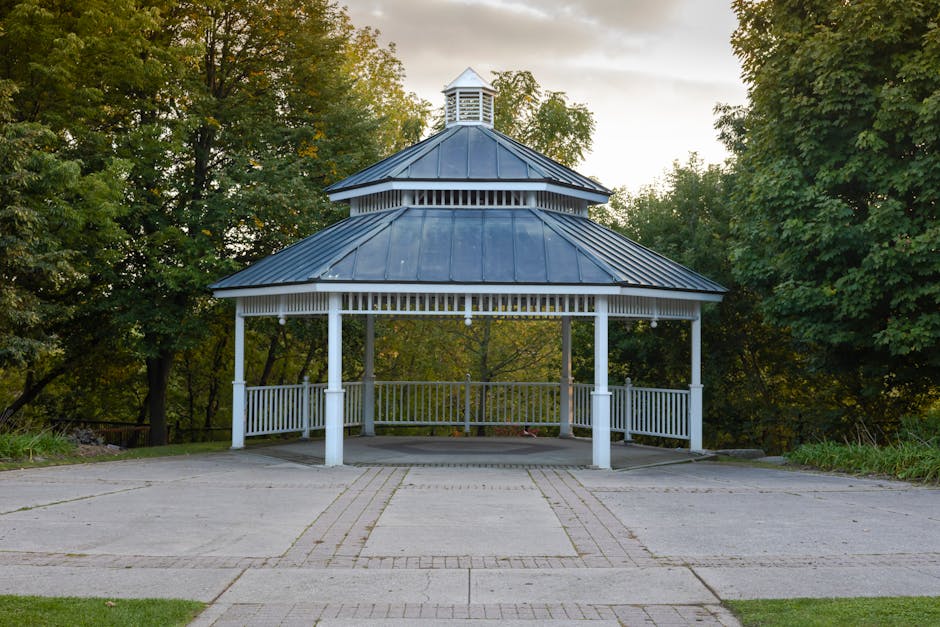
Get the open louvered pergola if you want a larger covered space with adjustable shade and open-air feel on nice days. Get the enclosed sunroom if your climate means you’d actually use the space in shoulder seasons when an open structure would leave you rained on or cold.
The GarveeLife 12×16 Enclosed Sunroom: A Different Use Case Entirely
This isn’t a shade structure. It’s a three-season room that happens to live in your backyard.
The GarveeLife 12×16 sunroom with floor-to-ceiling sliding doors and screen panels functions as a solarium or enclosed outdoor room. Bug-free, protected from light rain, usable in October and April when open structures are uncomfortable. At $3,399.99 for 192 square feet, you’re paying $17.71 per square foot — a steeper cost-per-square-foot than the open pergola, but the enclosed design solves problems the open structure simply can’t.
Who This Actually Makes Sense For
This earns its cost in specific climates and use cases. Frequent afternoon rain (Florida, Pacific Northwest, Gulf Coast). Active bug seasons that make open patios miserable from June through September (Midwest lake regions, the entire Southeast). Mild winters where you want to extend outdoor use into November without a full indoor addition. If your usable outdoor season is genuinely June through August and the weather is reliably good, the extra 96 square feet of open pergola delivers more practical value than enclosure.
Screen Room vs. Weatherproof Room — Know the Difference
Screen panels keep bugs out. They do not block wind, cold air, or rain that’s falling at any angle. If you picture sitting comfortably in this space at 45°F with wind, you’ll need additional panel inserts or a portable propane heater — both extra costs that belong in your budget before you buy.
The 4.2/5 rating from 8 reviews is, again, a thin sample. Enough to confirm the product ships complete and assembles as described by most buyers. Not enough to draw conclusions about how it performs after three winters.
Side-by-Side: Garveelife vs. the Competition

| Product | Size | Price | Roof Type | Price / sq ft | Rating |
|---|---|---|---|---|---|
| Garveelife Louvered Pergola | 12×24 ft (288 sq ft) | $3,399.99 | Adjustable louvered aluminum + integrated drainage | $11.80 | 4.4/5 (6 reviews) |
| GarveeLife Sunroom Gazebo | 12×16 ft (192 sq ft) | $3,399.99 | Hardtop + floor-to-ceiling sliding doors, screens | $17.71 | 4.2/5 (8 reviews) |
| Palram CANOPIA Arcadia | 13×20 ft (260 sq ft) | ~$2,000–$2,500 | Fixed polycarbonate panels | ~$8.65 | ~3.9/5 |
| YITAHOME 10×12 Hardtop Gazebo | 10×12 ft (120 sq ft) | ~$1,200–$1,600 | Steel hardtop, mosquito netting | ~$11.67 | ~3.9/5 |
| Sunjoy 13×15 Steel Hardtop Gazebo | 13×15 ft (195 sq ft) | ~$1,800–$2,200 | Steel hardtop, side curtains | ~$10.26 | ~4.1/5 |
| Custom contractor aluminum pergola | Variable | $6,000–$15,000+ | Variable | $25–$40+ | N/A |
The Garveelife open pergola wins on square footage value at this price tier. The Palram CANOPIA costs less per square foot but uses fixed polycarbonate — no airflow adjustment, significant heat buildup. The YITAHOME and Sunjoy options are steel, not aluminum, and show it in longevity. The contractor build gets you professional installation and support; you pay two to four times more for it.
Before You Order: Straight Answers to the Real Questions
How long does assembly actually take?
Two capable adults with basic tools and a level: 8–12 hours for a structure this size, assuming footings are already cured. Concrete footings need 24–48 hours to cure before you apply load. That means this is a two-weekend project minimum — footings one weekend, frame assembly the next. Not an afternoon. Anyone who tells you otherwise hasn’t done it.
Can this go on an existing wood deck?
With appropriate hardware, technically yes — but you’re shifting significant point loads to your deck framing, which may not be engineered for a 288-square-foot aluminum structure. If your deck is more than five years old, not permit-built, or shows any flex or bounce when you walk it, get a structural engineer review before you anchor posts to it. That review costs $200–$400 and is far cheaper than repairing a deck that shifts under load after installation.
What does an outdoor structure actually return at resale?
In Sunbelt markets — Arizona, Texas, Florida, the Carolinas — covered outdoor living areas recover roughly 50–80% of their cost in resale value when the structure is permitted, in good condition, and aesthetically neutral. In northern markets where outdoor season is short, buyers treat them as a nice-to-have that moves the needle by $0–$5,000, not dollar-for-dollar. If you’re planning to sell within two years, landscaping and interior paint deliver better-documented, easier-to-photograph returns. If you’re staying five-plus years and will genuinely use the space, stop calculating and buy the structure.
Bottom Line
The open louvered pergola is the right call for most buyers. More square footage, adjustable airflow and shade, better cost-per-square-foot math, and you’re not boxed into an enclosed space on the perfect days when you actually want open air. The enclosed sunroom earns its cost if your climate gives you a clear reason — rain, bugs, shoulder-season cold — to need full enclosure over more square footage.
- Best square footage value: Garveelife 12×24 Louvered Pergola — $3,399.99 / $11.80 per sq ft
- Best for shoulder-season and enclosed use: GarveeLife 12×16 Sunroom Gazebo — $3,399.99 / $17.71 per sq ft
- Budget alternative with tradeoffs: Sunjoy or YITAHOME hardtop gazebo — $1,200–$2,200, steel construction, less square footage
- Maximum support, no DIY: Custom contractor aluminum pergola — $6,000–$15,000+, fully installed
Medical Disclaimer: This content is for informational purposes only and does not constitute medical advice. Always consult a qualified healthcare professional before making health-related decisions.