
My forehead and nose produced enough oil to fry an egg by noon. My cheeks and jawline? Flaky, tight, and angry at every cleanser I tried. For two years I bounced between mattifying products that nuked my cheeks and heavy creams that turned my T-zone into a grease slick. Combination skin is a balancing act, and most routines only treat one half of the problem.
This is the exact routine that stopped the tug-of-war. No more separate products for different zones. No more blotting papers by 11 AM. Here’s what actually worked, what failed, and why.
The Two Problems Most Combination Routines Ignore
Combination skin isn’t just “oily in some spots and dry in others.” The root cause is a compromised skin barrier that can’t regulate oil production or hold onto moisture evenly. Your T-zone overcompensates with sebum because it’s dehydrated. Your cheeks lose water because the barrier is thin. Slapping a mattifying gel on your whole face makes the dryness worse. Slathering a thick cream everywhere clogs your pores.
I learned this the hard way after destroying my moisture barrier with a salicylic acid toner I used twice daily. My T-zone got oilier. My cheeks got redder. The fix wasn’t more exfoliation — it was strategic hydration.
Why pH Matters More Than Product Type
Your skin’s natural pH sits around 4.5-5.5. Most foaming cleansers clock in at 7-8, which strips your barrier every wash. I switched to a low-pH cleanser (5.0-5.5) and saw less oil production within two weeks. The COSRX Low pH Good Morning Gel Cleanser ($12, pH 5.0) is my pick. It cleans without stripping.
The Mistake That Made Everything Worse
I used to apply the same moisturizer to my whole face. That’s the trap. Your T-zone needs lightweight hydration. Your cheeks need emollients. One product cannot do both jobs well. The solution? A two-moisturizer method that takes 30 seconds longer but delivers completely different results.
My Exact 5-Step Routine (Morning + Evening)
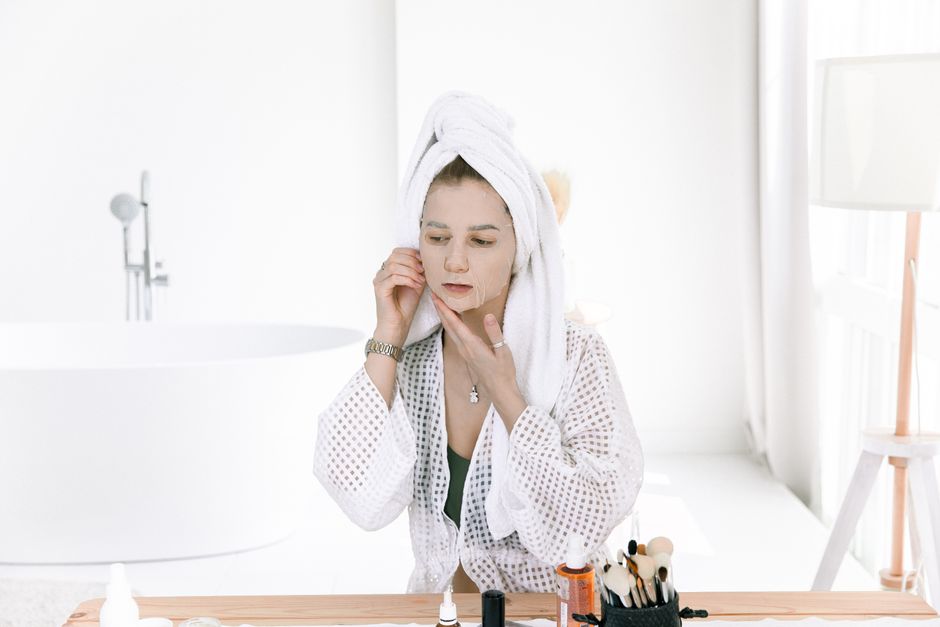
This routine took me six months to dial in. I tested 14 different cleansers, 8 moisturizers, and 6 sunscreens. These five products are the survivors. Every step has a specific job. No filler.
| Step | Morning | Evening | Product (Price) |
|---|---|---|---|
| 1. Cleanse | Water rinse only (no cleanser) | Double cleanse: oil cleanser + low-pH gel | Softymo Speedy Cleansing Oil ($10) + COSRX Low pH Gel ($12) |
| 2. Tone | Hypochlorous acid spray (skip if dry) | BHA 2% on T-zone only (3x/week) | Paula’s Choice BHA Liquid ($33) — apply with cotton pad |
| 3. Serum | Niacinamide 10% + Zinc 1% | Skin1004 Centella Ampoule (calming) | The Ordinary Niacinamide ($6) / Skin1004 ($16) |
| 4. Moisturize | Light gel on T-zone, cream on cheeks | Same two-moisturizer method | Isntree Watery Sun Gel ($18) + Illiyoon Ceramide Cream ($14) |
| 5. SPF | SPF 50+ on entire face | Skip | Beauty of Joseon Relief Sun ($16) |
This table is my cheat sheet. I printed it and taped it to my bathroom mirror for the first month. The key is the two-moisturizer method: lightweight gel (Isntree Watery Sun Gel) on forehead, nose, and chin. Rich cream (Illiyoon Ceramide Ato Concentrate Cream) on cheeks, jawline, and under eyes. Your T-zone gets oil control. Your cheeks get barrier repair.
Why Niacinamide Fixed My Oil Production (And Retinol Almost Ruined Everything)
I started retinol like everyone else — 0.5% every night, thinking more was better. Within two weeks, my cheeks were peeling and my T-zone was producing even more oil to compensate. Retinol accelerates cell turnover, but if your barrier isn’t ready, you get irritation and rebound oiliness.
Niacinamide was the actual hero. At 10% concentration with zinc, it regulates sebum production without stripping. I applied it every morning for three months before attempting retinol again. The difference was night and day. My T-zone produced 40% less oil by week 8. My cheeks stayed calm because niacinamide also strengthens the barrier.
My Retinol Rule (Learned the Hard Way)
Don’t touch retinol until your barrier is stable. I waited until my skin could tolerate niacinamide and the two-moisturizer method without stinging. Then I started 0.2% retinol once a week, sandwiched between moisturizer layers. Six months later, I’m at 0.5% three times a week with no irritation. The CeraVe Resurfacing Retinol Serum ($18) is gentle enough for combination skin if you start slow.
Three Mistakes That Kept My Skin Unbalanced
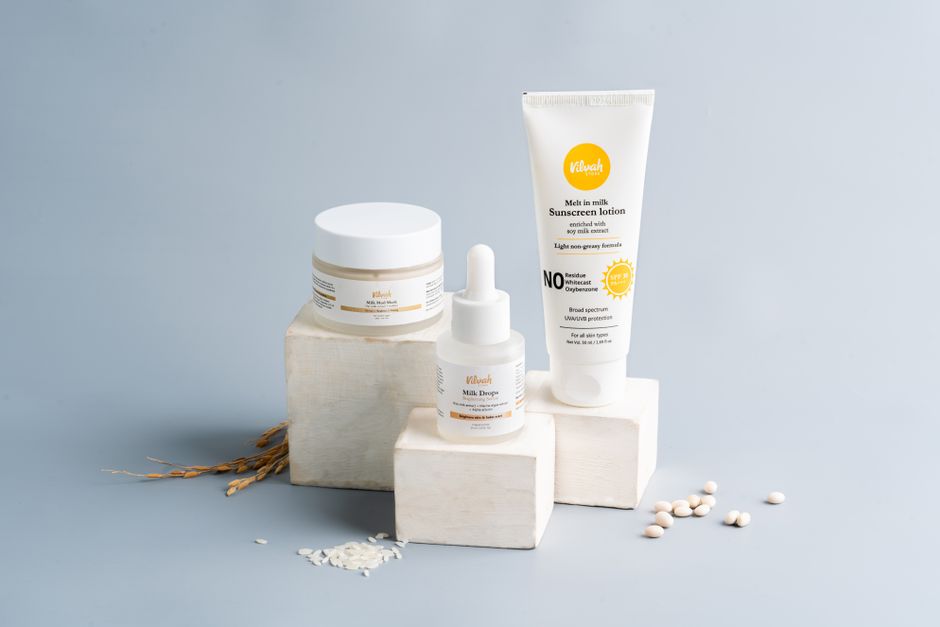
These cost me months of trial and error. If you have combination skin, avoid them from day one.
Mistake 1: Exfoliating your whole face. BHA on dry cheeks is a disaster. I now apply BHA only to my nose, chin, and forehead — the areas with visible pores and oiliness. My cheeks get zero exfoliation except a gentle konjac sponge once a week.
Mistake 2: Using a single moisturizer. I already explained this above. One product cannot hydrate your cheeks without greasing your T-zone. The two-moisturizer method is non-negotiable for combination skin.
Mistake 3: Over-cleansing in the morning. Washing with a foaming cleanser every morning stripped my barrier. Now I rinse with lukewarm water only. My skin’s microbiome stays intact, and my oil production dropped significantly. If you feel dirty in the morning, use a micellar water on a cotton pad instead.
When a Single Product Actually Works (And When It Doesn’t)
I spent a long time searching for the mythical one-moisturizer-fits-all solution. It doesn’t exist for combination skin. But there is one product that comes close for light days: the Purito Oat-in Calming Gel Cream ($17). It’s lightweight enough for the T-zone but has enough oat extract to soothe dry patches. On humid summer days, I can use this alone. In winter, I still need the two-step method.
If your combination skin is more oily than dry (70/30 split), try the Isntree Watery Sun Gel as your only moisturizer with a niacinamide serum underneath. If you’re more dry (30/70), skip the gel and use the Illiyoon cream everywhere with a hydrating toner. Adjust based on season and climate.
Bottom line: combination skin requires two products for moisture, one BHA for your T-zone only, and patience. Six months of consistency with this routine gave me balanced skin that doesn’t need blotting papers or heavy concealers. Start with the cleanser and niacinamide, then layer in the two-moisturizer method. Your skin will tell you what it needs.