
You wash your face before bed, pat it dry, and then your cheeks start to sting. Ten minutes later, the skin feels tight even though it looks clean. The surprising clue is that a squeaky finish often says more about the cleanser than the health of your skin: it can mean the wash removed too much surface oil along with dirt and sunscreen.
That makes the choice between CeraVe Hydrating Cleanser and La Roche-Posay Toleriane Purifying Cleanser more specific than a simple brand battle. Both products target sensitive skin, but they solve different problems. CeraVe favors a cream texture and moisture support. La Roche-Posay uses a foaming gel aimed at normal, combination, and oily skin. For most sensitive people with dry or easily irritated cheeks, CeraVe is the better first pick. La Roche-Posay wins when excess oil and a fresh foaming rinse matter more.
Why sensitive skin feels tight after cleansing
The skin barrier acts like a thin, organized wall. Skin cells form the bricks, while natural lipids help seal the gaps between them. A cleanser needs to lift sweat, sebum, makeup, pollution, and sunscreen from the surface. The challenge starts when the formula pulls away too much of the oil that helps the barrier hold water. Sensitive skin then loses comfort before it loses its healthy appearance.
Tightness is an early warning sign
Redness and burning are obvious signals, but tightness often arrives first. If your face feels stretched when you smile, your cleanser may clean more aggressively than your skin can handle. A mild cleanser should leave the face comfortable after rinsing, not polished, squeaky, or dry. The feeling should settle within a few minutes after moisturizer; if it continues for an hour, change one product at a time so you can identify the cause.
Water temperature changes the result
Hot water can make a gentle cleanser feel harsh. It softens surface oils quickly and can increase flushing in reactive skin. Use lukewarm water, massage for about 20 seconds, and rinse completely. You do not need a rough washcloth or facial brush to remove ordinary daily buildup. Your fingertips create enough movement for a normal cleanse, while a soft microfiber cloth can cause trouble if you rub it across inflamed patches.
Verdict: Sensitive skin needs a cleanser that removes the day without creating a new problem. Comfort after rinsing matters more than foam, fragrance, or a dramatic squeaky finish.
What should a sensitive-skin cleanser actually remove?
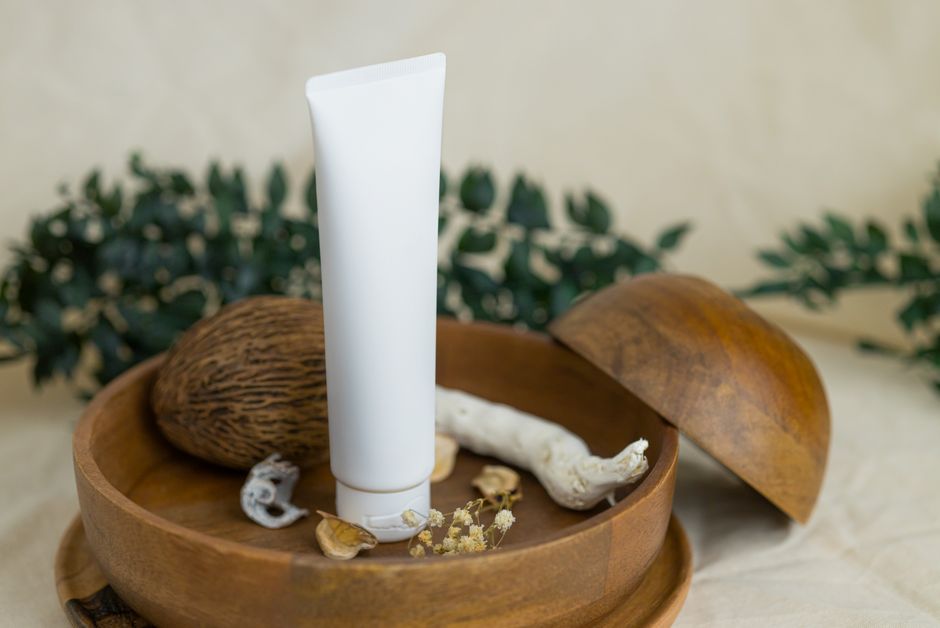
A good daily cleanser removes sweat, excess sebum, loose skin flakes, light makeup, sunscreen residue, and airborne particles, while leaving enough protective oil behind to keep the face comfortable. It does not need to exfoliate, treat acne, brighten dark marks, or create a strong tingling sensation at the same time. The best formula matches the soil on your face: a dry cheek needs less oil removal, while an oily T-zone may need a lighter foaming rinse. Choose the gentlest product that handles your actual evening buildup, because extra cleansing power has no benefit when the face is already clean.
For sunscreen or long-wear makeup, one careful cleanse may not be enough. Start with a fragrance-free cleansing balm or micellar water, rinse or wipe it away gently, and then use your regular face wash. Do not scrub harder to compensate for a cleanser that cannot dissolve makeup. That habit creates friction, and friction often causes more irritation than the original residue. The clear recommendation is simple: use a barrier-friendly daily wash and reserve stronger cleansing steps for the nights that truly require them.
Five cleansing mistakes that keep sensitive skin irritated
Small routine errors can make two gentle products feel harsh. Fix the technique before you replace every product on the bathroom shelf.
- Washing twice every morning and night. Cleanse twice at night only when you wore heavy makeup, water-resistant sunscreen, or a lot of face oil. A morning rinse with lukewarm water may work for dry, reactive skin.
- Using too much cleanser. One to two pumps usually covers the face. A larger amount does not guarantee a better wash, and it can increase the time you spend rubbing.
- Leaving residue around the nose and hairline. Rinse these areas carefully. Product left along the hairline can feel itchy, while residue near the nostrils can sting already-dry skin.
- Adding an exfoliating cleanser too soon. Salicylic acid and glycolic acid can help selected concerns, but they can also make a damaged barrier feel worse. Stabilize comfort first, then add one active product on a limited schedule.
- Changing several products in one week. If redness appears, you will not know which formula caused it. Keep your moisturizer and sunscreen steady while you test a new cleanser.
Best correction: use lukewarm water, a short fingertip massage, and a plain moisturizer within a few minutes of patting dry. Give the routine seven to ten days before judging mild changes, unless you develop swelling, hives, intense burning, or a spreading rash. Those symptoms call for medical advice rather than another shopping trip.
CeraVe Hydrating Cleanser vs. La Roche-Posay Toleriane Purifying Cleanser
The formulas look similar on a shelf because both support sensitive skin and avoid added fragrance. Their textures and target skin types tell the more useful story. CeraVe is a non-foaming cream cleanser for normal to dry skin, while La Roche-Posay is a gel that foams and targets normal, combination, and oily skin.
| Feature | CeraVe Hydrating Facial Cleanser | La Roche-Posay Toleriane Purifying Foaming Face Wash |
|---|---|---|
| Texture | Non-foaming cream | Foaming gel |
| Main skin target | Normal to dry, including sensitive skin | Normal, combination, and oily sensitive skin |
| Key ingredients | Three ceramides, hyaluronic acid, glycerin, cholesterol | Ceramide NP, niacinamide, glycerin, thermal spring water |
| Size and listed price checked for 2026 | Common 12 fl oz pump; CeraVe lists $15.99 on its US product page | 400 ml or 13.52 fl oz; La Roche-Posay lists $19.99 on its US product page |
| Best use | Dry cheeks, tightness, winter cleansing, barrier-focused routines | Oily T-zones, combination skin, humid weather, a fresh rinse |
Table verdict: CeraVe offers the stronger value for dry sensitive skin, while La Roche-Posay earns the win for oily sensitive skin that dislikes creamy residue. Neither product treats acne, rosacea, or eczema on its own. They simply determine how much surface oil your cleansing step removes.
Which cleanser wins for dry, oily, or combination sensitive skin?
My clear pick for most sensitive skin is CeraVe Hydrating Facial Cleanser. Its cream texture and combination of ceramides, hyaluronic acid, glycerin, and cholesterol make it the safer starting point when your main complaint is tightness. CeraVe also carries the National Eczema Association Seal of Acceptance and lists the formula as non-comedogenic and free of added fragrance. Those details do not guarantee that every person will love it, but they make the product easy to trial in a simple routine.
Choose CeraVe for dry or easily irritated cheeks
Pick CeraVe if your skin flakes around the mouth, feels rough after washing, or reacts to cold weather. It does not create the same foamy sensation as La Roche-Posay, and that can feel less satisfying at first. The trade-off is worthwhile: dry skin usually needs less oil removal, not more. Use one pump at night, rinse with lukewarm water, and apply moisturizer while the skin still feels slightly damp.
Choose La Roche-Posay for an oily T-zone
Choose La Roche-Posay Toleriane Purifying Foaming Face Wash if your forehead and nose become shiny by midday, but your skin still reacts to fragrance and harsh scrubbing. Its ceramide NP, niacinamide, and glycerin support a gentler formula than many oil-control washes, while the foam gives a cleaner finish. Start once daily at night. If your cheeks feel tight, use it only on the T-zone and switch to a cream cleanser elsewhere. That split routine works better than forcing one texture across different areas.
How should you test and use a new cleanser?
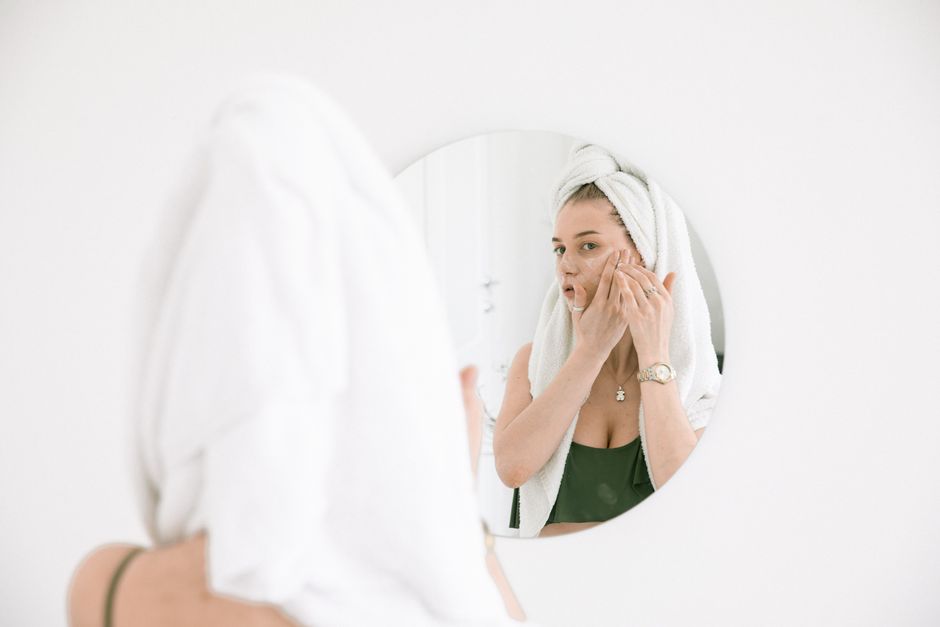
How do you patch-test a face cleanser?
Apply a small amount behind one ear or along the jaw for three nights. Rinse it as directed, then watch for burning, itching, swelling, or persistent redness. A patch test cannot predict every facial reaction, but it can reveal an obvious problem before you cover your whole face.
How long should you leave cleanser on?
About 20 seconds of gentle massage is enough for a normal evening wash. Longer contact does not turn a cleanser into a treatment. Spend extra time only on areas with sunscreen or makeup residue, and keep the pressure light.
What should you apply after rinsing?
Pat dry without rubbing, then use a plain moisturizer. CeraVe Moisturizing Cream works well beside the CeraVe cleanser for dry skin, while La Roche-Posay Toleriane Double Repair Face Moisturizer suits the brand’s oily-sensitive routine. Add sunscreen in the morning. Do not introduce a retinoid, acid toner, vitamin C serum, and new cleanser in the same week.
Use verdict: test one cleanser, use it once daily for the first several days, and judge the skin by comfort, not by how much foam appears in your hands.
When should you choose another sensitive-skin cleanser?
Neither of the two main cleansers is automatically right for every reactive face. Choose Vanicream Gentle Facial Cleanser when you want a short, soap-free formula with no fragrance or dyes; the 8 fl oz bottle lists for $12.99 at Ulta and carries the National Eczema Association Seal of Acceptance. It is the best alternative for people who react to long ingredient lists, although its simple wash may feel less moisturizing than CeraVe.
Choose Aveeno Calm + Restore Nourishing Oat Face Cleanser when you prefer a milky gel texture and want oat and feverfew in a fragrance-free sensitive-skin formula. Choose Bioderma Sensibio Gel Moussant when a lightweight, fragrance-free gel with a physiological pH matters more than a rich cream feel; the US bottle holds 6.76 fl oz. These alternatives solve different texture problems, so they deserve consideration when CeraVe feels heavy or La Roche-Posay feels too cleansing.
Do not buy an oil-control cleanser just because your pores look larger, and do not buy a barrier cleanser expecting it to clear inflamed acne. If a product causes repeated burning, swelling, or a rash, stop using it and ask a dermatologist for help. Formula details and prices can change by country, so check the CeraVe product page and the La Roche-Posay product page before purchasing.
For dry sensitive skin, CeraVe is the best starting choice because it cleans without chasing a squeaky finish. For oily sensitive skin, La Roche-Posay is the sharper match. As cleanser formulas keep adding barrier-supporting ingredients, the category is moving toward a useful standard: clean skin should feel calm, not stripped.