Are you staring at your reflection, wondering why your hair just… isn’t growing? Or why it feels thinner than it used to? Trust me, I’ve been there. For years, I wasted money on every “miracle growth” shampoo and conditioner that promised Rapunzel-length locks overnight. Most were expensive disappointments. My bathroom cabinet looked like a graveyard of half-used bottles, each one a testament to another failed experiment.
The truth is, finding the best shampoo and conditioner for hair growth isn’t about magic. It’s about understanding what actually impacts your hair follicles and what ingredients can genuinely support healthy growth. After years of trial and error, talking to stylists, and diving deep into the science, I’ve got some clear preferences and I’m not afraid to tell you what to buy, and more importantly, what to avoid.
Why Your Hair Isn’t Growing (And What It Actually Needs)
Before we even talk about specific products, let’s get real about why your hair might be struggling to grow. It’s rarely just one thing. Think of your hair like a plant: it needs good soil (your scalp), the right nutrients (from your diet and blood flow), and the right environment to thrive. A fancy shampoo won’t fix everything if the foundational issues aren’t addressed. I learned this the hard way, spending a fortune on topical treatments while ignoring my diet and stress levels. Big mistake.
Sometimes it’s genetics, pure and simple. If your parents or grandparents had thinning hair, you might be predisposed. That doesn’t mean you’re helpless, but it does mean your approach needs to be strategic. Other times, it’s environmental or lifestyle factors. Stress is a massive culprit. I noticed my hair shedding significantly during high-stress periods – it’s called telogen effluvium, and it’s very real. Nutrient deficiencies, especially iron, zinc, and certain B vitamins, also play a huge role. Even how you treat your hair physically – tight ponytails, excessive heat styling, aggressive brushing – can contribute to breakage and slow growth. Understanding these underlying issues is the first step to finding a solution that sticks.
Common Culprits Behind Slow Hair Growth
Let’s break down the usual suspects. First, hormonal imbalances are a huge one, especially for women. Thyroid issues, postpartum changes, or conditions like PCOS can drastically affect hair cycles. If you suspect this, talk to your doctor. Second, dietary deficiencies. If you’re not getting enough protein, iron, or essential fatty acids, your hair just won’t have the building blocks it needs. I started taking a high-quality multi-vitamin and focusing on lean protein in every meal, and that alone made a noticeable difference over a few months. Third, scalp health. An inflamed, dry, or oily scalp can suffocate follicles. Dandruff isn’t just annoying; it can actively hinder growth by creating an unhealthy environment. Fourth, medications. Certain drugs can cause hair thinning as a side effect. Always check with your doctor if you start a new medication and notice changes.
Beyond the Bottle: Holistic Scalp Health
You can buy the most expensive growth shampoo in the world, but if your scalp is a mess, it won’t matter much. Think of your scalp as the fertile ground for your hair. I now religiously use a gentle scalp scrub once a week to remove buildup and stimulate blood flow. I also do regular, gentle scalp massages, either with my fingertips or a simple massage tool, for about five minutes before I shampoo. This really helps get circulation going, which delivers nutrients to the follicles. Hydration is key, too. Just like your skin, your scalp can get dry, leading to breakage and irritation. Using a leave-in scalp serum or even just being mindful of not over-shampooing can help maintain its natural moisture barrier. Don’t forget sun protection either; a burnt scalp is an unhappy scalp.
Key Ingredients That Actually Move the Needle
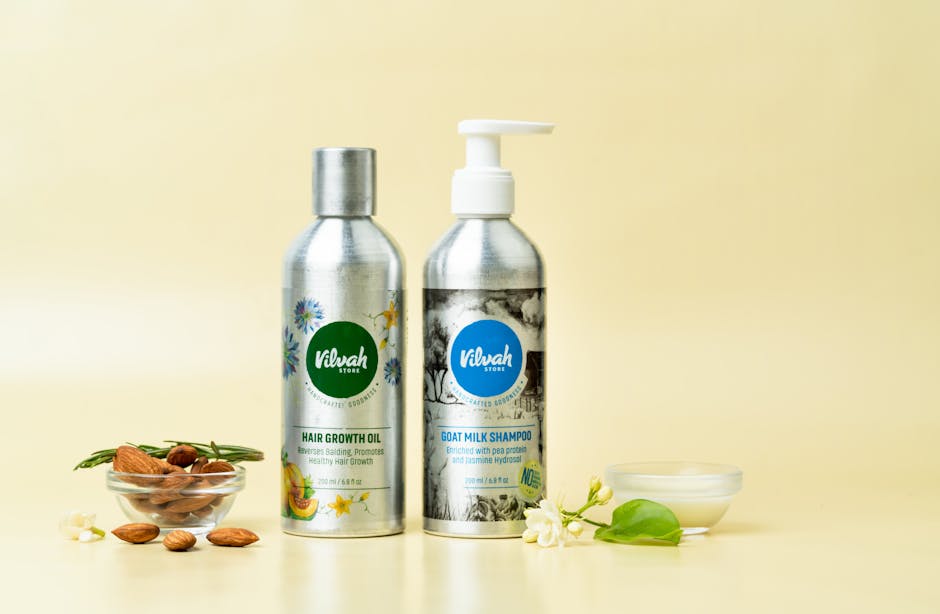
Okay, now for the good stuff: what ingredients should you actually be looking for in a shampoo and conditioner designed for growth? This is where many brands get it wrong, stuffing products with trendy but ineffective ingredients. My rule of thumb: if it sounds too good to be true, it probably is. Focus on ingredients with some scientific backing, even if the research is primarily for supplements or other delivery methods. The goal is to create the best possible environment on your scalp.
- Minoxidil (Not typically in shampoos, but the gold standard): Let’s get this out of the way. Minoxidil, the active ingredient in Rogaine, is the only FDA-approved topical drug for hair regrowth. It widens blood vessels, allowing more oxygen, blood, and nutrients to reach the follicles. While some shampoos claim to have “Minoxidil-like” effects, very few, if any, contain enough actual Minoxidil to be effective as a standalone treatment. If you’re serious about regrowth, Minoxidil is usually a separate, leave-on treatment you use daily. Shampoos can *support* its action, but they aren’t a substitute.
- Caffeine: This is an interesting one. Studies suggest that topical caffeine can help stimulate hair follicles and potentially inhibit the effects of DHT, a hormone linked to hair loss. The trick is getting enough of it to penetrate the scalp and stay there long enough. Look for shampoos where caffeine is high on the ingredient list, and consider leaving the shampoo on for a few minutes before rinsing. It’s not a miracle, but it’s a solid supporting player.
- Ketoconazole: Commonly found in anti-dandruff shampoos like Nizoral, ketoconazole has unexpected benefits for hair growth. It’s an anti-fungal, but it also has anti-androgenic properties, meaning it can help block the effects of DHT on hair follicles. If you have dandruff or an oily, itchy scalp alongside thinning, a ketoconazole shampoo (used once or twice a week) can be incredibly beneficial.
- Biotin: Ah, biotin. The darling of the hair growth world. Here’s the deal: if you have a biotin deficiency (which is rare), supplementing with biotin can help. However, topical biotin in shampoos has very little evidence to support direct hair growth. Your body absorbs biotin much better orally. While it won’t hurt, don’t buy a shampoo *just* because it has biotin. It’s largely a marketing ingredient for topical applications.
- Saw Palmetto: This natural extract is thought to work similarly to finasteride (a prescription hair loss drug) by inhibiting the enzyme 5-alpha-reductase, which converts testosterone to DHT. Some studies show promise for topical saw palmetto in reducing hair loss. It’s a good ingredient to look for in more natural-focused growth shampoos.
- Peptides and Amino Acids: These are the building blocks of protein, and since hair is primarily protein (keratin), providing these externally can help strengthen existing hair and create a healthier environment for new growth. Copper peptides, in particular, have shown some promise in stimulating hair follicles.
The Science Behind Minoxidil (And Topical Alternatives)
Minoxidil, originally a blood pressure medication, was serendipitously discovered to cause hair growth. It works by shortening the telogen (resting) phase and lengthening the anagen (growth) phase of the hair cycle. It also increases the size of hair follicles. For men, the 5% solution is usually recommended; for women, 2% or 5% is common. The key is consistency – you need to use it twice daily, indefinitely, to maintain results. Over-the-counter brands like Rogaine are the most well-known. Don’t expect your shampoo to contain enough of it to be truly effective. Think of shampoos with ‘growth’ claims as supportive, not primary, treatments if Minoxidil is your goal.
What Biotin Can (And Can’t) Do for Your Hair
Biotin is a B-vitamin (B7) crucial for metabolic processes, including cell growth. When it comes to hair, nail, and skin health, biotin is heavily marketed. However, the studies showing its benefits are predominantly for individuals with a clinical biotin deficiency, which is quite rare in healthy populations. For most people, taking biotin supplements or using biotin-infused shampoos won’t magically sprout new hair. What it *can* do, however, is help strengthen existing hair strands, reducing breakage and giving the appearance of healthier, fuller hair. So, while I wouldn’t seek out a shampoo purely for its biotin content for *growth*, it can be a nice ancillary ingredient for overall hair health.
My Top Shampoo & Conditioner Picks for Real Growth
Alright, enough with the theory. You want to know what I actually use and recommend. My preferences are clear: I lean towards systems that address scalp health and have a track record of visible results, not just fluff. These aren’t overnight miracles, but with consistent use, they’ve made a noticeable difference for me and many others I know.
My bold opinion: If you’re serious about supporting hair growth through your wash routine, invest in a dedicated system from a reputable brand. Don’t mix and match random “growth” shampoos with regular conditioners. These systems are formulated to work together, delivering a cohesive approach to scalp and hair health. You might pay a bit more upfront, but the results are worth it compared to endlessly cycling through ineffective drugstore brands.
Nioxin System Kits: A Smart Starting Point
If you’re just starting out or feeling overwhelmed, Nioxin System Kits are my go-to recommendation. They’re designed by hair loss experts and have been around for ages for a reason. Nioxin isn’t about growing entirely new hair where there’s none, but about creating an optimal scalp environment to support existing hair and make it appear thicker and fuller. They offer different systems (e.g., System 1 for natural hair with light thinning, System 2 for natural hair with progressive thinning, System 4 for colored hair with progressive thinning). I personally use System 2. A 3-piece kit (shampoo, conditioner, leave-in treatment) typically runs about $45-$60, depending on where you buy it (Amazon, Ulta, salons). The shampoo cleanses the scalp, removing follicle-clogging sebum and product buildup. The conditioner provides resilience, and the leave-in treatment often contains ingredients like peppermint oil to stimulate the scalp. It’s a comprehensive approach that works. Expect to see reduced shedding and a noticeable improvement in hair density and strength within 2-3 months.
Pura D’Or Original Gold Label: Natural Powerhouse
For those looking for a more natural-focused approach, the Pura D’Or Original Gold Label Anti-Thinning Biotin Shampoo & Conditioner set is excellent. This duo costs around $40-$50 for a large 16oz set, offering great value. What I love about Pura D’Or is its blend of DHT blockers like Saw Palmetto, Niacin, and Biotin, along with a host of other botanical extracts known to be beneficial for scalp health and hair strength, like Argan oil, Black Cumin Seed oil, and more. It’s sulfate-free and paraben-free, which is a big plus for sensitive scalps. The scent is a bit herbal, but I don’t mind it. I found it effectively reduced shedding and made my hair feel stronger and less prone to breakage. It’s a solid choice if you’re wary of harsher chemicals but still want a science-backed approach with natural ingredients.
Kérastase Densifique: Luxury for Density
If your budget allows for a more luxurious experience, Kérastase Densifique Bain Densité (Shampoo) and Fondant Densité (Conditioner) are fantastic. These usually cost around $35-$40 per bottle, making it a pricier option. Kérastase is known for its high-performance formulas, and the Densifique line focuses on increasing hair density and substance. The key ingredient here is Stemoxydine, a patented molecule that mimics the optimal environment for stem cells, helping to awaken dormant follicles. While it’s not a direct ‘growth’ stimulant in the same way Minoxidil is, it helps to create the appearance of more hair mass and body. My hair felt incredibly soft, full, and had a beautiful shine after using this. It’s particularly good for hair that feels limp, thin, and lacking vitality, even if it’s not actively falling out in huge clumps. The scent is divine, and the experience feels truly salon-quality.
Don’t Waste Your Money: Common Growth Shampoo Gimmicks
Here’s the blunt truth: many “growth” shampoos are just glorified cleansers with a sprinkle of trendy ingredients and a hefty price tag. Don’t buy products that promise instant inches or contain only a single, unproven ingredient. Skip anything that boasts a ridiculous number of exotic extracts without any scientific rationale. These often rely on placebo effect and clever marketing, not genuine efficacy. Stick to brands with a proven track record or those that use well-resealed ingredients in adequate concentrations.
Quick Comparison: My Recommended Growth Duos (2026)
Choosing the right system can feel overwhelming, but focusing on your hair type, specific concerns, and budget will help narrow it down. Remember, consistency is with any hair growth regimen. Give any new product at least 2-3 months of consistent use before deciding if it’s working for you. Hair growth is a slow process, not an instant fix. These are my top picks for shampoo and conditioner systems that truly support healthier, fuller hair.
Choosing the Right System for Your Hair Type
When selecting your hair growth shampoo and conditioner, think about what your hair really needs. Is it colored and thinning? Then Nioxin System 4 is your best bet. Do you prefer natural ingredients and a gentle approach? Pura D’Or will likely be a winner. Or are you looking for luxurious density and volume for fine, limp hair, willing to pay a premium for the experience? Kérastase Densifique delivers. The goal is to find a system that not only helps with growth but also maintains the overall health and appearance of your hair.
| Product System | Key Active Ingredients | Typical Price (Approx.) | Best For | My Verdict |
|---|---|---|---|---|
| Nioxin System Kits | Peppermint Oil, Niacinamide, Saw Palmetto | $45-60 (3-piece kit) | Progressive thinning, fine/chemically-treated hair, overall scalp health | Excellent starting point. Reduces shedding, improves density. Very reliable. |
| Pura D’Or Original Gold Label | Saw Palmetto, Biotin, Niacin, Argan Oil, Black Cumin Seed Oil | $40-50 (16oz duo) | Natural-focused approach, reduced shedding, strengthening existing hair | Great value. Effective natural DHT blockers. Pleasant feel. |
| Kérastase Densifique Bain & Fondant | Stemoxydine, Hyaluronic Acid, Gluco-Peptide | $70-80 (duo) | Increasing hair density, body, and substance for fine, limp hair | Luxury choice. Makes hair look and feel fuller, incredibly soft. |