A common misconception is that feathering means your lipstick is not long-wearing enough. The real problem is usually movement: too much balm underneath, a creamy edge with no border, or a thick layer that never fully sets. Long-wear lipstick can stay vivid through dinner and photos, but only when you control the skin around the lip as carefully as the color itself.
Why does long-wear lipstick feather around the mouth?
Feathering starts outside the lip line
Lipstick does not always travel because the formula is poor. The skin around the mouth has tiny lines, natural oils, and frequent movement from talking, eating, smiling, and sipping. A soft or glossy formula can slide into those lines, especially when you apply it over a heavy lip balm. Dark red, berry, and brown shades make the migration easier to see because the color contrasts with the surrounding skin.
The best first fix is to keep the outer edge clean and lightly powdered. Do not cover the entire lip with foundation. That can make the color look gray and can leave the surface dry enough to crack. Instead, remove excess skincare from the skin beside the mouth, then press a very small amount of translucent powder around the perimeter. Leave the center of the lips comfortable and flexible.
Does a matte finish always prevent bleeding?
No. Matte lipstick usually contains less slip, but a thick coat can still move before it sets. Some matte formulas also crack when applied over dry flakes, and the cracks create uneven edges that look like feathering. A comfortable satin formula with a clear border can last longer than an aggressively dry matte formula applied in one heavy swipe.
Verdict: Control oil, texture, and product thickness before blaming the lipstick. Feathering prevention begins with a clean, thin base and a defined edge.
How should you prep lips before holiday lipstick?
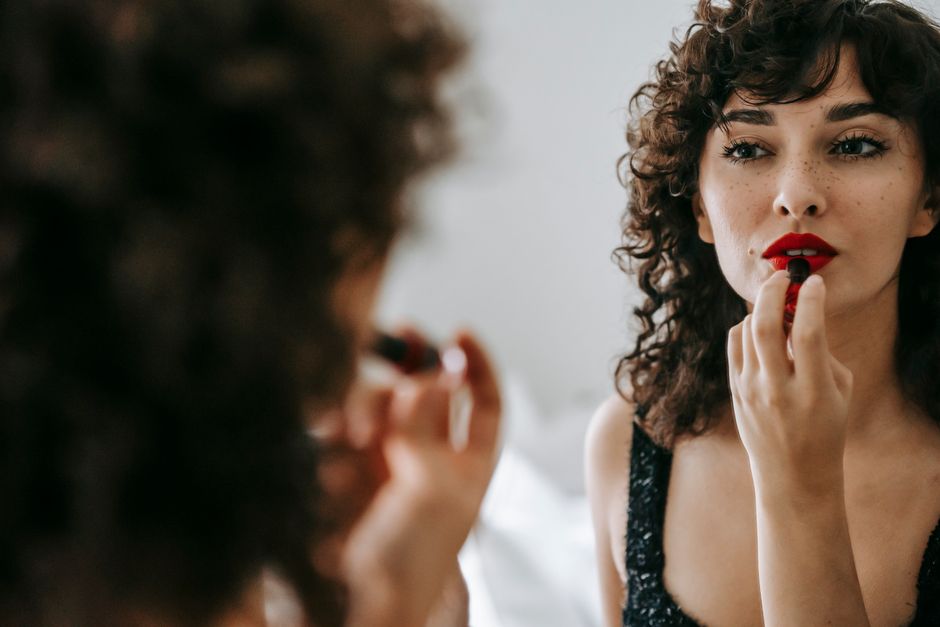
Use this five-minute preparation sequence
- Soften, do not scrub hard. Apply a plain lip balm for five minutes, then press away the excess with tissue. Avoid rough sugar scrubs before a party; they can leave tiny irritated areas that make pigment cling unevenly.
- Check the corners and lip line. Look for balm, foundation, skincare, or sunscreen sitting beside the mouth. Remove it with a cotton swab lightly dampened with micellar water.
- Apply a thin comfort layer. If your lips feel tight, tap on a rice-grain amount of balm. Wait two minutes and blot again. The surface should feel smooth, not wet.
- Blur only the outside. Press a small amount of translucent powder around the lip line. Keep powder off the center of the lips, where too much dryness can cause cracking.
- Shape before adding pigment. Trace the natural lip border with a matching liner, then fill the corners lightly. This creates a dry boundary that helps hold liquid lipstick in place.
What should you avoid before applying color?
Skip facial oil, thick overnight lip masks, petroleum jelly, and fresh exfoliating acids immediately before makeup. They leave a slippery film that weakens the bond between the lipstick and the lip surface. Avoid applying foundation directly over flaky lips, too. It often collects in the cracks and makes the final color look patchy.
These three small habits help more than adding another setting spray: blot twice, keep balm away from the outer edge, and give every prep layer time to settle. For dry lips, use a richer balm the night before and a lighter one on the day of the event.
Which long-wear lipstick formulas resist feathering best?
The strongest choice for a holiday event is a thin liquid or transfer-resistant formula paired with a matching liner. Traditional creamy bullets feel comfortable, but they need a tighter outline and more frequent touch-ups. Prices below are current US retail listings and can change with shade or promotion.
| Product | Format and size | Listed price | Best use | Main tradeoff |
|---|---|---|---|---|
| MAC Locked Kiss Ink 24HR | Waterproof, transfer-resistant matte liquid lip | $47 | Longest hold for formal dinners and photographs | Needs careful removal and thin application |
| Fenty Beauty Stunna Lip Paint | Soft-matte liquid lipstick, 0.13 oz / 4 mL | $29 | High pigment with a precise wand | One heavy coat can look uneven as it dries |
| Urban Decay 24/7 Glide-On Waterproof Lip Liner | Waterproof liner, 0.04 oz / 1.2 g | $25 | Creating a border and filling the lip underneath | Needs sharpening or replacement as the tip wears down |
Pick the formula for the event, not the promise on the label
For a six-hour dinner with several courses, MAC Locked Kiss Ink is the clearest winner because its waterproof and transfer-resistant finish reduces movement after the formula sets. For a softer matte look that still gives strong pigment, Fenty Stunna Lip Paint is the better pick. Shake it before use, as the brand directs, and use the precision wand with the narrow side near the lip edge.
For people who dislike liquid lipstick, choose a transfer-resistant stick and spend more time on the liner. The liner does much of the feathering control. Matching liner matters more than buying the most expensive lipstick in the display.
When should you not buy the most long-wearing formula?
Do not choose the driest liquid lipstick for chapped lips, a long overnight event, or a meal built around oily foods if you hate carrying remover. A satin lipstick with a waterproof liner may look fresher after four hours because it fades evenly instead of splitting at the center. The best holiday formula is the one you can repair without stripping the whole mouth.
How do you apply long-wear lipstick without creating a hard edge?

My strongest recommendation is two thin layers, not one thick coat. Most feathering disasters happen when the applicator deposits too much color at the inner corners and along the lower lip. The outside edge then stays soft while the center remains wet. Work in small amounts and treat drying time as part of the application, not as dead time.
Step 1: Draw the border in short strokes
Use the Urban Decay 24/7 Glide-On Waterproof Lip Liner at the cupid’s bow, then mark both corners and the center of the lower lip. Connect those points with short strokes rather than drawing one long line. Keep the line on the natural border. Overdrawing more than 1 millimeter at the sides creates a ledge that long-wear formulas can cross.
Fill the entire lip with the liner if you need maximum wear. For a more comfortable finish, fill only the corners and the outer half of the lip, then leave the center for lipstick. Blot once with tissue. Do not rub, because rubbing warms the product and pushes pigment into the surrounding skin.
Step 2: Place lipstick at the center first
Wipe one side of the applicator against the tube. Starting at the center of the lower lip, press on a small amount and spread toward each corner. Use the tip for the upper lip and stop before the color touches the skin outside the liner. A clean lip brush gives even more control with a dark red or plum shade.
Wait at least 60 to 90 seconds before judging the finish. Fenty Stunna Lip Paint, for example, is designed to be shaken and applied with its precision wand; following that method gives you more control than repeatedly adding product from a nearly empty wand.
Step 3: Blot, inspect, and add only where needed
Press a single-ply tissue between the lips, then check the corners in a mirror. Add a second micro-layer only to gaps or pale areas. Keep the second coat away from the outermost edge. Thin layers dry faster, flex better when you talk, and create fewer wet spots that can migrate into fine lines.
Finish by placing a folded tissue over the lips and tapping a trace of translucent powder over the tissue. This reduces surface tack without dumping powder directly onto the pigment. Skip gloss on the outer half of the lips; if you want shine, place one small touch at the center only.
How can you fix feathering during a holiday party?
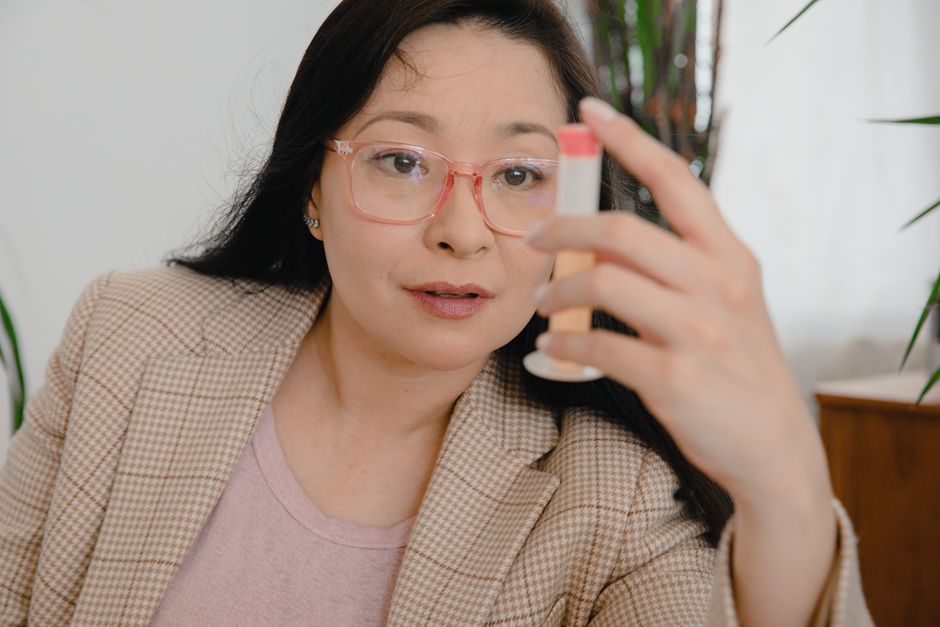
Fix the edge, not the whole lip. If a red line appears beside the mouth, use a pointed cotton swab with a little micellar water to erase the stray color. Pat the area dry, tap on a pinhead of concealer or powder, and redraw only that section with liner. Scrubbing the entire mouth removes the stable color and leaves a larger patch to repair.
What if the center fades after eating?
Blot oil first, then press a small amount of lipstick onto the center of the lower lip with a fingertip or lip brush. Avoid swiping a fresh full coat over food residue. If the lipstick feels dry, add a tiny amount of balm to the center, wait one minute, blot, and then retouch. This keeps the worn outer border intact.
What is the fastest mistake-proof touch-up?
Carry three items: the lipstick, a cotton swab, and a small tissue. Do not carry only a large mirror and a thick balm; that combination encourages you to add more slip and more color than the lip can hold. A long-wear lipstick should still look like lips at midnight, not like a sealed layer of paint.
For the holiday scenario that started this routine, the answer is simple: prep away the oil, outline the natural border, apply two thin coats, and let the formula set before the first drink. Feathering becomes a small edge problem instead of the reason the whole lipstick fails.