Forget the endless promises. Finding the right foundation for mature skin in the UK isn’t about marketing hype; it’s about specific formulas that won’t settle into lines or cling to dry patches. You need products that hydrate, smooth, and give a natural glow, not a cakey finish. We’re naming names.
The Hydration Powerhouses You Need Now
Stop buying foundations that promise “long-wear” if you’re over 50. They’ll dry you out and exaggerate every line you have. Your priority is hydration and a radiant finish. Period. This isn’t optional. Dry, flat skin looks older. Always. You need formulas packed with skincare benefits, not just pigment. Think serum foundations, or anything that screams “glow” and “plump.”
The top contender here is the L’Oréal Paris True Match Nude Plumping Tinted Serum. This isn’t just a tint; it’s a legitimate serum with 1% pure hyaluronic acid. It glides on, blends seamlessly, and actually makes your skin look smoother and more hydrated. It offers light-to-medium coverage, which is perfect because heavy coverage on mature skin just looks… heavy. It blurs, it evens, and it won’t settle. For its price point, it’s unmatched in the UK market for delivering that fresh, plumped look.
Another excellent option is the Estée Lauder Futurist Hydra Rescue Moisturizing Makeup SPF 45. This foundation is a dream for dry, mature skin. It’s infused with IonCharged Water, probiotics, and chia-seed extract. The texture is creamy, yet it feels lightweight. It gives a solid medium coverage that you can build slightly without it caking. Crucially, it leaves a luminous finish, making skin appear healthy and vibrant. The SPF 45 is a bonus, but don’t rely solely on your foundation for sun protection; always layer a dedicated SPF underneath. This one genuinely helps with redness and dehydration, making it a staple for many.
Why Hyaluronic Acid Matters
Hyaluronic acid isn’t just a buzzword; it’s a humectant, meaning it draws moisture from the air and deeper layers of your skin to the surface. In a foundation, this translates to a plumping effect that minimizes the appearance of fine lines and keeps the makeup looking fresh all day. Foundations without this simply won’t perform as well on mature skin. Look for formulations where it’s high on the ingredient list, not just a token amount.
SPF in Your Foundation: Enough or Not?
While SPF in foundation is better than nothing, it’s rarely enough. To get the stated SPF, you’d need to apply a quarter teaspoon to your face, which is far more foundation than anyone actually uses. Consider foundations with SPF a secondary layer of protection. Always apply a broad-spectrum SPF 30 or 50 as the last step of your skincare routine, before any makeup. Brands like La Roche-Posay or Altruist offer excellent, affordable options that sit well under makeup.
Prep Your Skin, Don’t Just Cover It
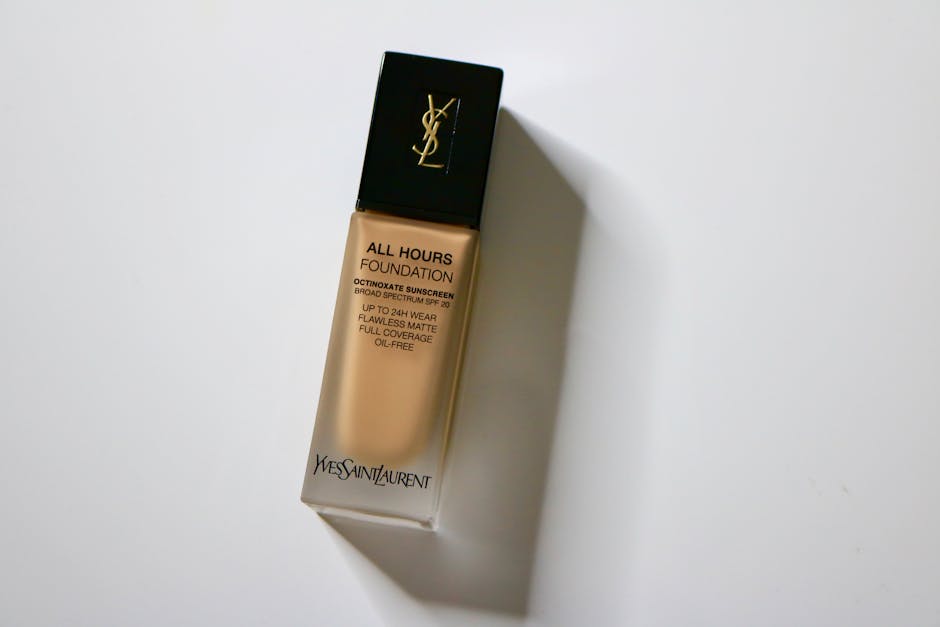
You can buy the most expensive foundation in the world, but if your skin isn’t prepped, it’s wasted money. Foundation can only do so much. The canvas matters more than the paint. Get this right, or nothing else works.
- Exfoliate Regularly: Dead skin cells make foundation look patchy and dull. Use a gentle chemical exfoliant (like a low-percentage AHA or PHA) 2-3 times a week. Skip harsh physical scrubs; they can irritate mature skin. The Ordinary Lactic Acid 5% + HA is a good starting point. Don’t overdo it.
- Hydrate Intensely: After cleansing, layer hydrating serums. A good hyaluronic acid serum followed by a rich moisturizer makes a huge difference. Let each layer absorb fully before applying the next. Dry patches will grab onto foundation, making you look older.
- Use a Hydrating Primer: Forget mattifying primers. You need a primer that adds moisture and creates a smooth, almost slippery base. This helps foundation glide on evenly and prevents it from settling into lines. Look for primers with ingredients like glycerin or squalane. The e.l.f. Hydrating Face Primer is surprisingly effective for its price point.
- Give it Time: Don’t rush. Apply your skincare, wait 5-10 minutes for it all to sink in, then apply primer, wait another 2 minutes, then foundation. This allows products to meld with your skin, creating a much better base for makeup. Patience is key.
Why “Less Is More” Isn’t Just a Saying
It’s not just about looking natural; it’s about avoiding product build-up. Too many layers of heavy product will pill, crease, and ultimately, make your skin look suffocated. Mature skin benefits from lighter textures and strategic application. Focus coverage where you need it most (e.g., around the nose, under eyes) and sheer it out everywhere else. Use a damp beauty sponge for application; it sheers out product beautifully and presses it into the skin, avoiding a surface-level look.
Don’t Forget Your Neck and Décolletage
Your face doesn’t stop at your jawline. Carry your skincare, including SPF and some of your hydrating primer, down to your neck and upper chest. When applying foundation, always blend a little down your neck to avoid a harsh line. This creates a cohesive, natural look. Neglecting these areas will instantly give away your makeup efforts.
Serum Foundations vs. Traditional Formulas: A Showdown
Choosing between a serum foundation and a more traditional liquid foundation can be confusing. For mature skin, the distinction is critical. Serum foundations are often your best bet, but not always. Here’s what you need to know, without the fluff.
| Feature | Serum Foundation (e.g., Bobbi Brown Intensive Skin Serum Foundation) | Traditional Liquid Foundation (e.g., NARS Light Reflecting Foundation) |
|---|---|---|
| Texture | Lightweight, thin, often watery or oil-based. | Creamier, thicker, more viscous. |
| Coverage | Sheer to light-medium. Builds without heavy feel. | Light to full, depending on formula. Can feel heavier. |
| Finish | Luminous, dewy, natural, skin-like. | Matte, satin, or glowy. Can look more “makeup-y.” |
| Skincare Benefits | High; infused with potent active ingredients (hyaluronic acid, vitamins, botanical extracts). | Some, but generally less focused on active treatment. Primarily pigment delivery. |
| Best For | Dry, mature, normal skin. Anyone wanting a “your skin but better” look. | Most skin types, especially those needing more coverage for blemishes or uneven tone. |
| Longevity | Good, but often needs setting for extended wear, especially in oily zones. | Often formulated for long wear, sometimes at the expense of comfort. |
Verdict: For mature skin, the Bobbi Brown Intensive Skin Serum Foundation SPF 40 is an absolute standout in the serum category. It’s packed with lychee, bamboo grass, and cordyceps mushroom extracts – serious skincare. It feels incredibly luxurious, provides a radiant finish, and offers a beautiful light-to-medium coverage that never settles. It genuinely makes skin look healthier. Yes, it’s an investment, but it performs like one. You get the benefits of a serum and a foundation in one step.
If you need slightly more coverage but still want that luminous, skin-like finish, the NARS Light Reflecting Foundation is a strong contender from the “traditional” side. While not a serum, its formula is designed to blur imperfections, smooth skin, and improve texture over time thanks to ingredients like biomimetic oat. It’s medium, buildable, and doesn’t look flat or heavy. It moves with your skin, which is crucial for avoiding creasing around the eyes and mouth. It feels comfortable, not thick, and truly lives up to its “light reflecting” name, giving a soft focus effect.
The Problem with Heavy Coverage
Heavy, full-coverage foundations tend to sit on top of the skin, rather than melding with it. This creates a mask-like effect, and on mature skin, it highlights texture, fine lines, and wrinkles. Less is almost always more. If you have areas needing extra coverage (e.g., hyperpigmentation), use a targeted spot concealer applied after your foundation, blending carefully with a small brush or your finger. Don’t try to get all your coverage from a heavy foundation.
Powder Is Rarely Your Friend.
Unless your skin is genuinely oily, put the powder down. It sucks moisture, settles into lines, and makes mature skin look flat and dusty. If you absolutely must set an area, use a tiny amount of a finely milled, translucent, hydrating setting powder only where you get shiny, like the T-zone. Avoid baking; it’s a recipe for instant aging.
Coverage Without The Crease: Top Picks
The holy grail for mature skin foundation is coverage that doesn’t crease or migrate throughout the day. This isn’t just about the foundation itself; it’s about how it interacts with your skin’s natural movement and expressions. Formulas need to be flexible, not rigid. We’re talking about foundations that blur, not mask, and make your skin look like skin, just better.
For impressive coverage that still looks natural, IT Cosmetics Your Skin But Better CC+ Cream Illumination SPF 50+ is consistently recommended, and for good reason. It’s not a foundation in the traditional sense, but a CC cream that acts like one, offering full coverage while being packed with anti-aging serums, hydrolyzed collagen, peptides, niacin, hyaluronic acid, and vitamins A, B, C, and E. The “Illumination” version specifically adds a subtle radiance without glitter, which is key. It conceals redness, dark spots, and imperfections without feeling heavy or looking flat. The SPF 50+ is a significant bonus, though again, a dedicated sunscreen underneath is still advised. It feels comfortable, wears well, and doesn’t settle into fine lines nearly as much as most full-coverage options.
If you’re looking for luxury that delivers, the Dior Forever Skin Glow Foundation is outstanding. It provides medium-to-full coverage with a beautiful luminous finish that isn’t greasy. This foundation contains floral skincare ingredients like iris extract, wild pansy extract, and hibiscus extract, which actually improve skin quality over time. It feels incredibly lightweight despite its coverage and lasts all day without caking. It’s flexible, adapting to your skin’s texture rather than fighting it. For special occasions or when you need that extra bit of perfecting without looking overdone, this is your choice. It smooths the appearance of pores and fine lines, making skin look more refined and radiant. Its staying power is impressive, even in humid conditions, and it doesn’t oxidize or shift.
Another solid option for buildable, natural coverage is the bareMinerals Original Liquid Mineral Foundation Broad Spectrum SPF 20. This formula is remarkably clean, made with 88% naturally derived ingredients and infused with mineral pigments, olive-derived squalane, and peptides. It’s designed to minimize the look of pores and redness while also improving skin hydration over time. The finish is naturally luminous, not overly dewy, and it feels incredibly lightweight. It’s a great choice for sensitive mature skin that still needs some evening out without irritation or a heavy feel. The coverage is light to medium but genuinely makes your skin look smoother and more even, without settling into lines. It’s a good everyday workhorse foundation.
Application Matters More Than You Think
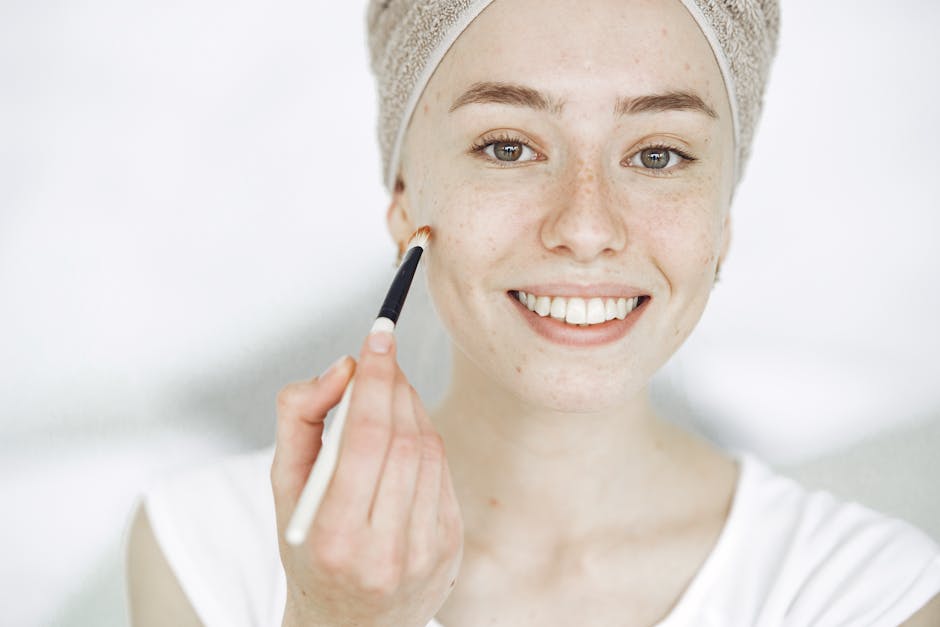
The tool you use makes a huge difference. For mature skin, a damp beauty sponge (like a Beautyblender or Real Techniques sponge) is generally superior to a brush for foundation application. Sponges help to press the product into the skin, creating a seamless, natural finish, and they can sheer out product to avoid a heavy look. If you prefer a brush, opt for a dense, flat-top kabuki brush and use tapping motions rather than sweeping. This pushes product into the skin rather than dragging it across, which can emphasize texture and lines. Always work in thin layers.
The Underrated Power of Setting Spray
Instead of powder, consider a hydrating setting spray. A good setting spray can melt your foundation into your skin, removing any powdery look and extending wear without drying. Look for sprays with hyaluronic acid, glycerin, or botanical extracts. Urban Decay All Nighter is a classic, but for mature skin, something like the Charlotte Tilbury Airbrush Flawless Setting Spray or even the MAC Prep + Prime Fix+ can add a beautiful, dewy finish and help everything last. A quick spritz after foundation, and another after all makeup, makes a noticeable difference.
Your Mature Skin Foundation Questions, Answered
Still confused? Let’s clear up some common issues that plague foundation application on mature skin. These aren’t minor points; they’re fundamental to getting a good result.
Does silicone-based foundation cause problems?
Not necessarily. Silicones (like dimethicone) create a smooth canvas, blur imperfections, and can help prevent foundation from settling into lines. The problem arises if you’re layering a water-based primer under a silicone-based foundation, or vice-versa; they won’t mix and can pill. Stick to similar bases: silicone primer with silicone foundation, or water primer with water foundation. Most modern foundations are a mix, but generally, if dimethicone is high on the ingredient list, it’s silicone-dominant. They’re often beneficial for mature skin as they provide slip and blurring without being heavy.
Should I use a colour corrector before foundation?
Absolutely, if you need it. If you have significant dark circles, redness, or hyperpigmentation that even a good foundation can’t fully conceal, a colour corrector is far more effective than layering on more foundation. A peach or orange corrector neutralizes blue/purple tones under the eyes. Green corrector cancels redness. Apply these very sparingly to the specific problem area before foundation, then blend your foundation over the top. This technique means you use less foundation overall, leading to a much more natural and less cakey finish. Brands like Bobbi Brown and NARS make excellent correctors.
How do I stop foundation from settling into my smile lines?
This is a common frustration. First, ensure your skin is well-hydrated. Dry skin exaggerates lines. Second, use a hydrating, blurring primer specifically around the mouth area. Third, apply foundation sparingly to these areas. Instead of swiping, gently tap the foundation in with a damp sponge or your ring finger. Fourth, avoid heavy powders. If you must set, use a tiny amount of a fine, radiant powder, pressed lightly only where needed. A setting spray can also help fuse the product to your skin, making it less likely to migrate into creases. Finally, consider if your foundation is too thick or too matte; often, a lighter, more flexible formula is the solution.
The Absolute Must-Have Foundation for UK Mature Skin.
You want a definitive answer? Fine. For mature skin in the UK, cutting through all the options, the one foundation you should prioritize is the L’Oréal Paris True Match Nude Plumping Tinted Serum. It’s consistently available, performs well above its price point, and delivers exactly what mature skin needs: hydration, a natural glow, and light-to-medium blurring coverage that never settles. It’s accessible, effective, and won’t break the bank. You get real hyaluronic acid, a comfortable wear, and a genuinely radiant, ‘your skin but better’ finish. If you need more coverage, layer it or spot conceal. But for overall tone, radiance, and skin health, this is the smart choice. Don’t overthink it.