You wash your hair at 9 p.m., wake up with frizz, and wonder if sleeping in a mask will finally fix the rough ends. The answer depends less on the word “overnight” and more on the ingredients, the amount, and where you apply it.
What an overnight hair mask actually does
Long contact time softens the hair surface
An overnight mask gives conditioning ingredients several hours to sit on the hair. Water, fatty alcohols, oils, proteins, and silicones can coat the cuticle, reduce friction, and make the lengths feel smoother when you rinse. That extra time helps dry, porous hair more than it helps healthy hair that already feels soft.
It does not repair split ends or rebuild hair permanently. A split end needs trimming. A damaged strand cannot become new hair because it slept under conditioner. The useful result is temporary: less tangling, better slip, reduced roughness, and fewer snapped strands during washing.
Why more time can also create problems
Hair absorbs a limited amount of water and conditioning material. After that point, extra product sits on the outside. Heavy oils and thick butters can flatten fine hair, leave curls limp, or make the scalp feel coated. A damp pillowcase can also keep the hair wet for hours, which increases friction as you move in bed.
The best verdict is simple: use overnight treatment for dry, coarse, or highly porous lengths, but treat it as a deep-conditioning session rather than a permanent repair. Start once every seven to ten days, then adjust by feel.
Choose ingredients by hair type, not by the label

The quickest ingredient map
Read the first several ingredients instead of trusting words such as “intensive” or “miracle.” Dry hair needs water retention and a smooth coating. Curly hair needs slip and enough flexibility to keep its curl pattern. Fine hair needs light conditioning that does not collapse the roots.
| Hair type | Best ingredients | Use carefully | Clear verdict |
|---|---|---|---|
| Dry or coarse | Glycerin, panthenol, fatty alcohols, argan oil, shea butter | Large amounts of wax or petrolatum | Choose a rich mask for the mid-lengths and ends. |
| Curly or coily | Aloe, glycerin, behentrimonium chloride, coconut oil, jojoba oil | Too much protein if curls feel stiff | Choose slip and moisture before extra strength. |
| Fine or oily at the roots | Panthenol, amino acids, lightweight esters, hydrolyzed protein | Heavy butters, dense oils, scalp application | Choose a light treatment and rinse thoroughly. |
Water-binding humectants such as glycerin and panthenol attract moisture, but they work best when the hair is not left exposed to very dry air. Fatty alcohols such as cetyl alcohol are not the same as drying alcohols; they add softness and slip.
For a first test, pick one mask with a short ingredient list and use it alone. Mixing three treatments makes it hard to identify the cause of heaviness, stiffness, or irritation.
How to use an overnight mask without greasy roots
The six-step routine
- Wash your hair and remove excess water with a microfiber towel or a soft cotton T-shirt.
- Comb the hair gently with your fingers so the mask can spread through the lengths.
- Apply a small amount from ear level downward. Start with a teaspoon for shoulder-length hair and add more only if the ends still feel dry.
- Keep the product away from the scalp unless the label specifically says it is designed for scalp use.
- Twist the hair loosely or place it in a loose braid. Avoid a tight bun, which can stress wet strands.
- Cover the hair with a satin bonnet or place a clean towel over the pillow, then rinse in the morning with lukewarm water.
Use the rinse test before adding more
After rinsing, squeeze one section between your fingers. If it feels smooth but springy, the amount was right. If it feels waxy, limp, or difficult to wet, use half as much next time. If it feels rough and tangles immediately, the mask may be too light or may need a second cleansing pass before application.
The biggest mistake is applying a thick layer because the treatment will stay on for eight hours. Hair does not need to look coated. It needs even coverage. A clean rinse is the goal, and roots stay clean when the product starts below the ears.
Best ingredients for dry hair: choose oils plus water
The best dry-hair formula
My pick for dry, thick hair is a moisture-first mask with fatty alcohols, humectants, and one or two oils. Oils alone reduce friction, but they do not replace water. Look for glycerin or panthenol near the conditioning base, then check for argan, jojoba, avocado, or sunflower oil farther down the list.
Moroccanoil Intense Hydrating Mask is a sensible choice for coarse, dry lengths because it focuses on rich conditioning and argan oil. Apply it from the mid-lengths down and rinse in the morning. Briogeo Don’t Despair, Repair! Deep Conditioning Mask suits dry hair that also snaps easily, but use it as a rinse-out treatment first if your hair becomes stiff with frequent strengthening products.
When rich butter helps and when it hurts
SheaMoisture Manuka Honey & Mafura Oil Intensive Hydration Hair Masque is better suited to dense, thirsty hair than to fine strands. Shea butter and oils can reduce the rough feel of porous ends, yet they can also leave a thin head of hair flat for the next day. Use a coin-sized amount on the last third of the hair, not a palmful over the whole head.
For dry hair, the concrete verdict is to choose hydration first, then seal lightly. If the hair feels coated after one wash, the formula is too rich for overnight use even if it works well as a ten-minute mask.
Curly versus fine hair: the safest overnight call
Should curly hair sleep in a mask?
Yes, if the curls are dense, dry, or tangled and the treatment contains enough slip. Curlsmith Double Cream Deep Quencher is a better match for thick curls than for fine waves because its rich texture can soften a large amount of hair. Use it once a week on wet lengths, then reduce the amount until the curls remain defined after drying.
Should fine hair sleep in a mask?
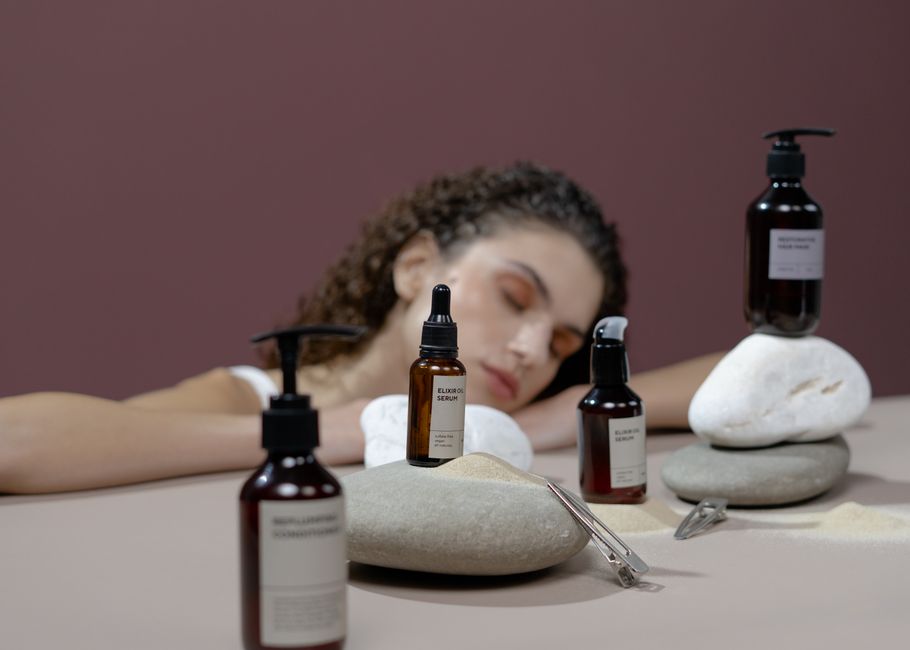
Usually, no—not as a first choice. Fine hair often benefits from a short treatment before shampooing or a light leave-in used only on the ends. Kérastase Nutritive 8H Magic Night Serum is a lighter night-treatment format than a dense rinse-out mask, so one pump on dry ends is a safer trial for fine hair. Keep it off the roots and wash normally in the morning.
How can you tell the difference?
Fine hair feels limp when too much coating prevents the strands from lifting. Curls feel over-conditioned when they lose bounce, form loose pieces instead of clumps, or take much longer to dry. The winning routine is the smallest amount that improves detangling without changing the hair’s shape. For thick curls, a rich overnight mask wins. For fine hair, a short contact time wins.
When an overnight mask is the wrong purchase
Skip it when the real problem is damage or buildup
An overnight mask is the wrong purchase if your main concern is split ends, severe breakage, scalp itching, sudden shedding, or hair that feels coated after every wash, because conditioning cannot remove a split, diagnose a scalp problem, or replace a clarifying wash and careful trimming; in those cases, use a regular conditioner, reduce heat and tight hairstyles, and seek professional advice for persistent scalp or shedding changes.
Return to the 9 p.m. routine
If you started with rough ends at 9 p.m., the practical finish is not a jar left on all night at any cost: apply a small amount below the ears, protect the pillow, rinse in the morning, and judge the result by softness, bounce, and clean roots; when the hair feels greasy or flat, switch to a ten-minute mask instead, because the right treatment is the one that lets you wake up with manageable hair rather than a heavier problem.