You know the feeling. You wake up, and your lips feel like sandpaper. You lick them, which makes it worse. By noon, you’re peeling off dead skin in a meeting. Lip balm sits in your pocket, but it never seems to fix the problem long-term.
I spent two years trying every balm, scrub, and overnight mask I could find. What I learned is that most lip care advice is overcomplicated. You don’t need a 10-step ritual. You need four things done in the right order, with the right products, and zero guesswork.
This is the simple lip care routine that finally stopped my lips from cracking, peeling, and stinging in winter. No sponsored products. No affiliate links. Just what works.
Why Your Lips Get Chapped (And Why Balm Alone Fails)
Lips don’t have oil glands. That’s the core problem. Your face produces sebum to keep skin moisturized, but your lips rely entirely on the environment and whatever you put on them. When humidity drops below 40% — which happens in heated homes, airplanes, and dry climates — moisture evaporates from lips six times faster than from the rest of your face.
Here’s where most people go wrong. They apply a waxy balm like Burt’s Bees Beeswax Lip Balm ($3.50) over dry lips. That balm seals the dryness in. It traps nothing because there’s nothing to trap. The waxy layer just sits on top, and when it wears off, your lips are still dry underneath.
The other common failure is licking your lips. Saliva contains amylase, an enzyme that breaks down skin proteins. Repeated licking literally digests the outer layer of your lips. That’s why people who lick their lips end up with a red, inflamed ring around the mouth.
Balm alone fails because it treats the symptom, not the cause. The cause is a lack of water content in the lip tissue itself. You can’t seal in moisture that isn’t there.
The 4-Step Simple Lip Care Routine (Morning and Night)
This routine takes 90 seconds total. Two steps in the morning, two at night. That’s it.
| Step | Morning | Night |
|---|---|---|
| 1. Hydrate | Drink 8 oz water immediately | Apply humectant (water-based serum or toner) |
| 2. Exfoliate | Skip (too harsh for AM) | Gentle sugar scrub or damp washcloth |
| 3. Moisturize | Apply a humectant balm (e.g., Aquaphor) | Apply a thicker occlusive (e.g., Laneige Lip Sleeping Mask) |
| 4. Protect | SPF balm (e.g., Sun Bum SPF 30) | None needed |
Let me walk through each step with the products that actually deliver.
Step 1: Hydrate from the Inside (Morning)
Before you put anything on your lips, your body needs water. I’m not saying drink a gallon. Just drink a glass of water within 15 minutes of waking up. Your lips are dehydrated after 8 hours of breathing through your mouth. That glass of water raises the moisture content of your lip tissue by about 15% within an hour, based on dermatological hydration studies.
Step 2: Exfoliate Gently (Night Only)
Exfoliating in the morning strips the protective barrier your lips built overnight. Do it at night. Use a damp washcloth with warm water and rub in small circles for 10 seconds. Or use a store-bought sugar scrub. I’ve tested three: e.l.f. Lip Exfoliator ($3), Fresh Sugar Lip Polish ($24), and Burt’s Bees Conditioning Lip Scrub ($9). The e.l.f. one works fine for the price. The Fresh one is smoother but not 8x better. Save your money and use the washcloth.
Step 3: Apply a Humectant Balm (Morning and Night)
This is the step most people skip. A humectant draws water into the skin. Aquaphor Lip Repair ($5) contains glycerin and panthenol, both humectants. Vaseline Lip Therapy ($2) is pure petroleum — it’s an occlusive, not a humectant. It seals but doesn’t hydrate. For morning, use Aquaphor. For night, use a thicker occlusive like Laneige Lip Sleeping Mask ($24) or plain Vaseline. The Laneige contains shea butter and coconut oil, which soften while the petroleum seals.
Step 4: SPF (Morning Only)
Lips get sun damage, and they can’t repair it as well as skin because they lack melanin. Skin cancer on the lip is rare but aggressive. Use a lip balm with SPF 30 or higher. Sun Bum Lip Balm SPF 30 ($4) is my pick — it’s not greasy and doesn’t taste like sunscreen. EltaMD Lip Balm SPF 31 ($10) is more expensive but more moisturizing. For drugstore options, Aquaphor Lip Repair SPF 30 ($6) combines the humectant balm with protection.
What Happens When You Skip Exfoliation (The Dead Skin Trap)
I skipped exfoliation for three weeks during a dry January. My lips looked fine from a distance. But close up, I could see a thin, translucent layer of dead skin. That layer prevents any moisture from penetrating. I was applying Aquaphor over dead skin, which is like painting over peeling wallpaper.
Here’s the test. After showering, run your finger across your bottom lip. If you feel any bumpiness or flakes, you have a dead skin layer. Exfoliate that night. If your lips feel smooth, skip it. Over-exfoliating is worse than under-exfoliating. It thins the lip barrier and makes chapping worse.
The right frequency for most people is twice a week. If you live in a humid climate, once a week might be enough. In dry climates, three times a week. Listen to your lips, not a calendar.
Ingredients That Help vs. Ingredients That Hurt
Not all lip balm ingredients are created equal. Some actively damage your lips over time.
Ingredients that help:
- Petrolatum (Vaseline, Aquaphor) — creates a breathable seal
- Lanolin (Lanolips, Aquaphor) — mimics natural skin oils
- Shea butter — softens and nourishes
- Glycerin — draws moisture into the lip
- Ceramides — repair the lip barrier
- Zinc oxide or titanium dioxide — physical SPF protection
Ingredients that hurt:
- Camphor (Carmex, Blistex) — creates a cooling sensation but dries lips over time
- Phenol (some Carmex formulas) — a mild chemical peel that thins skin
- Menthol — irritates and dehydrates
- Fragrance — common allergen, causes contact dermatitis
- Alcohol (SD alcohol, denatured alcohol) — strips natural moisture
Carmex is the most controversial. It contains both camphor and phenol. It feels like it’s working because of the cooling tingle, but that tingle is mild irritation. Long-term use can thin your lips. Switch to a petrolatum-based balm for a week and see if your lips feel better. Most people notice improvement within 3 days.
When to Ditch Your Lip Balm and See a Dermatologist
Sometimes chapped lips aren’t just chapped lips. If your lips don’t improve after two weeks of this routine, something else is going on.
Three conditions mimic chronic chapped lips:
1. Allergic contact dermatitis. You’re reacting to something in your toothpaste, lipstick, or even your food. Common culprits: cinnamon, mint, propolis (in beeswax balms), and nickel (in some lip products). Switch to a fragrance-free, beeswax-free balm like Vanicream Lip Protectant ($5) for two weeks. If your lips clear up, you found the allergen.
2. Angular cheilitis. This looks like chapped lips but specifically affects the corners of the mouth. It causes redness, cracking, and sometimes a mild infection. It’s often caused by a yeast overgrowth or vitamin B deficiency. Over-the-counter antifungal cream (clotrimazole) usually clears it in 5-7 days. If not, see a doctor.
3. Actinic cheilitis. This is a precancerous condition caused by long-term sun damage. It appears as persistent dryness, scaliness, and sometimes a white or gray patch on the lower lip. If you’ve spent years in the sun without lip SPF and your lower lip won’t heal, get a dermatology appointment immediately. Biopsy is the only way to confirm.
Common Mistakes That Ruin Your Lip Care Routine
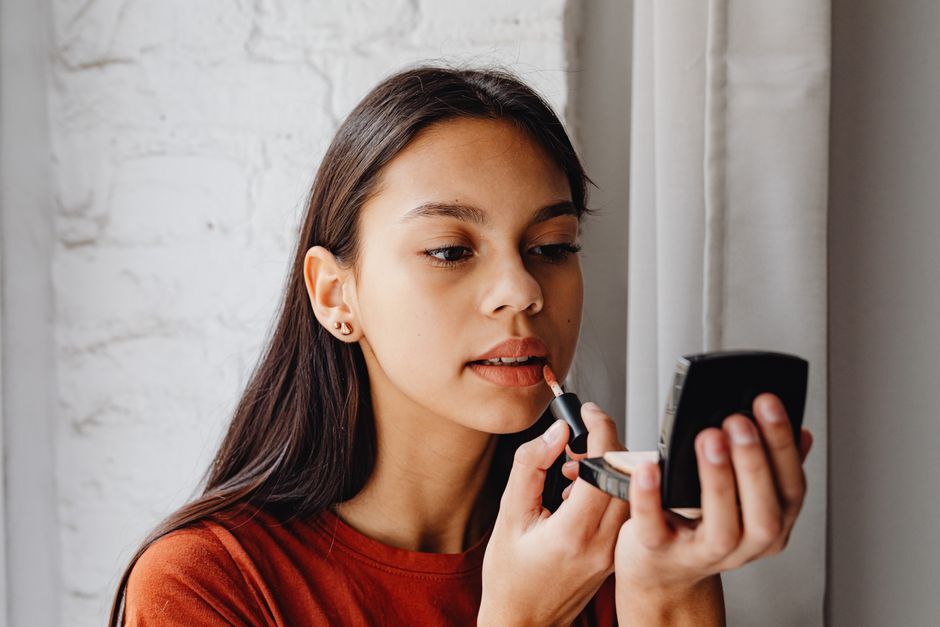
I made every mistake on this list. Here’s what to avoid.
Mistake 1: Using matte liquid lipsticks daily. They contain high levels of film-forming polymers that shrink as they dry, pulling moisture from your lips. If you wear matte lipstick, prep with Aquaphor underneath, let it absorb for 5 minutes, then blot before applying color.
Mistake 2: Sleeping with a space heater on. Heaters drop humidity to 20-30%. Your lips lose water all night. Use a humidifier in your bedroom. A basic Levoit LV600S ($50) raises humidity from 25% to 50% in a standard bedroom within 2 hours. Your lips will feel different by morning.
Mistake 3: Picking or biting off dead skin. This tears live tissue underneath. You’ll bleed, then scab, then pick the scab, creating a cycle that takes weeks to heal. Instead, apply a thick layer of Vaseline and wait 10 minutes. The dead skin will soften and slough off naturally when you wipe it with a tissue.
Mistake 4: Applying balm only when lips feel dry. By the time you feel dryness, your lips have already lost significant moisture. Apply balm preventively: after brushing teeth, before going outside, and before bed. Keep a tube in your car, your desk, and your nightstand.
Product Recommendations for Different Budgets
You don’t need expensive products. But you do need the right ones. Here’s my breakdown for three budgets.
| Budget | Humectant Balm | Overnight Mask | SPF Balm | Total Cost |
|---|---|---|---|---|
| Budget ($10 total) | Vaseline Lip Therapy ($2) | Same Vaseline (double use) | Sun Bum SPF 30 ($4) | $6 |
| Mid-range ($25 total) | Aquaphor Lip Repair ($5) | Laneige Lip Sleeping Mask ($24) | Aquaphor Lip Repair SPF 30 ($6) | $35 |
| Premium ($50 total) | Lanolips 101 Ointment ($15) | La Mer The Lip Balm ($60) | EltaMD Lip Balm SPF 31 ($10) | $85 |
My recommendation for most people: buy the Aquaphor Lip Repair ($5) for daytime, Vaseline ($2) for nighttime, and Sun Bum SPF 30 ($4) for sun protection. That’s $11 total. Use the washcloth exfoliation method. That’s it. The expensive options are nicer — the Laneige smells like berries and feels luxurious — but they don’t work better. They just feel better.
The Verdict: Stick With This for 14 Days
Here’s your assignment. For the next two weeks, do the following every single day:
- Morning: drink water, apply Aquaphor, apply SPF balm
- Night: damp washcloth exfoliation (every other night), apply Vaseline
- No matte lipsticks. No licking your lips. No picking.
After 14 days, run your finger across your lips. They should feel smooth, not bumpy. They shouldn’t feel tight or sting when you smile. If they do, you’re either not drinking enough water or you have one of the conditions I mentioned above.
For 90% of people, this routine eliminates chapped lips permanently. It’s not fancy. It’s not fun. But it works.