Why Most Shampoos Fail Your Hair (And 5 That Don’t)
The average drugstore shelf carries over 200 shampoo options. Most of them share nearly identical base formulas. The difference between a $6 bottle of Pantene and a $46 bottle of Kérastase isn’t always what the marketing suggests — but sometimes it genuinely is.
Here’s how to stop guessing and start buying correctly.
Start With Your Scalp, Not Your Hair Strands
Most people shop for shampoo based on their hair’s appearance — dry, frizzy, flat, dull. That’s backwards. Shampoo primarily works on your scalp, not your lengths. The conditioning work happens after.
Your scalp produces sebum — a natural oil that coats and protects hair at the root. Sebum production varies enormously by person, diet, hormones, and even climate. Match the shampoo to your scalp chemistry first. Everything else follows.
Oily Scalp vs. Dry Scalp: Different Problems, Different Solutions
An oily scalp produces excess sebum. Hair looks greasy within 12–24 hours of washing. This needs a clarifying or balancing shampoo — one with stronger surfactants that strip buildup efficiently. Paul Mitchell Tea Tree Special Shampoo ($24) handles this well. So does Neutrogena Anti-Residue Clarifying Shampoo ($8), which removes up to 90% of heavy product residue in a single wash.
A dry scalp lacks sebum. It flakes, feels tight, and itches after washing. The fix is a gentle, moisturizing formula — not a clarifying one. Using a clarifying shampoo on an already dry scalp strips whatever oil is left and makes everything worse fast.
The 24-Hour Test That Costs Nothing
Wash your hair thoroughly. Wait exactly 24 hours without touching it. Then press a clean piece of tissue paper against your scalp near the crown.
- Oil visible on tissue = oily scalp type
- No oil, feels tight or itchy = dry scalp type
- Slight sheen, comfortable = normal scalp
Do this before buying anything new. It takes one day and costs nothing. Most people have never actually done it — they just assume based on how their hair looks in humidity or after a workout.
Combination Scalp: More Common Than You Think
Oily at the roots, dry at the ends. This is the most common hair situation and the one most shampoos handle poorly. The solution: apply shampoo only to the scalp (which you should be doing anyway), and use a separate conditioner or hair mask on the lengths two to three times per week. Don’t try to find one product that fixes both zones simultaneously — that’s marketing territory, not chemistry.
How to Read a Shampoo Label Without a Chemistry Degree

Ingredient lists are ordered by concentration. Whatever’s listed first is present in the highest amount. Whatever’s last is a trace amount. Once you understand this, you can decode any bottle in about 90 seconds.
What the First Three Ingredients Tell You
The first ingredient is almost always water. The second is typically a surfactant — the actual cleaning agent. If that second ingredient is sodium lauryl sulfate (SLS), you have a strong, effective cleaner that’s also fairly harsh. Sodium laureth sulfate (SLES) is a milder version. Cocamidopropyl betaine and sodium cocoyl isethionate are gentler still, found in most sulfate-free and sensitive formulas.
The third ingredient onward is where price differences show up. Budget shampoos go straight to thickeners and fragrance. Premium shampoos add conditioning agents, proteins, and actives here.
Ingredients That Signal Quality vs. Marketing Filler
Worth paying for:
- Conditioning agents in the shampoo itself — cetrimonium chloride, panthenol, hydrolyzed keratin. These reduce friction and add smoothness without requiring a separate conditioner.
- Therapeutic actives — pyrithione zinc for dandruff, ketoconazole for fungal scalp issues, salicylic acid for flaking. These have clinical evidence. They’re not cosmetic claims.
- Hydrolyzed proteins — wheat protein, silk amino acids. Temporarily fill gaps in the hair cuticle. Results wash out, but the short-term smoothing effect is real.
Mostly filler:
- “Vitamin-enriched” claims when the vitamins appear at position 18 on the ingredient list
- Exotic botanicals (argan, macadamia, avocado) listed after preservatives — they’re present in quantities too small to do anything
- “pH-balanced” as a selling point — every competent shampoo is pH-balanced
The Correct Way to Wash Hair (Most Tutorials Skip Step 2)
Technique matters more than most people realize. Using an excellent shampoo incorrectly gives worse results than using a mediocre one correctly. This is the actual sequence that works.
The Five-Step Method
- Rinse with warm water for 60 seconds first. This softens the hair shaft and removes surface dust. Most people skip this and wonder why they need two shampoo rounds every single time.
- Apply shampoo only to the scalp. Not the lengths. Sebum and buildup live at the root. As you rinse, the lather travels down the strands — that’s enough cleaning for the ends.
- Massage with fingertips, not nails, for 60–90 seconds. Small circular motions. This breaks up sebum mechanically, which matters more than the shampoo’s chemical composition alone.
- Rinse completely. Leftover shampoo residue on the scalp causes itching and flaking that’s routinely misdiagnosed as dandruff or dry scalp.
- Second shampoo only if needed. If the first lather didn’t foam — that signals heavy oil or product buildup. One more round fixes it. Otherwise, skip it.
How Much Product to Use
A quarter-sized amount for short hair. A 50-cent-piece amount for shoulder-length. Slightly more for long or thick hair. Most people use 3–4 times too much, which increases rinse time, uses the bottle faster, and doesn’t clean better.
Best Shampoos by Hair Type: Side-by-Side

Price sometimes matters. Sometimes it really doesn’t. This table makes the distinction clear.
| Hair / Scalp Type | Best Pick | Price | Key Active | Verdict |
|---|---|---|---|---|
| Damaged / Color-Treated | Olaplex No. 4 Bond Maintenance | $30 / 8.5 oz | Bis-aminopropyl diglycol dimaleate | Only shampoo with real bond-repair chemistry |
| Dry / Brittle | Kérastase Nutritive Bain Satin 2 | $46 / 8.5 oz | Irisome Complex + Nutri-Protein | Best for severely moisture-depleted hair |
| Oily Scalp | Paul Mitchell Tea Tree Special | $24 / 10.1 oz | Tea tree oil + peppermint | Antimicrobial, controls sebum without over-drying |
| Fine / Flat | Living Proof Perfect Hair Day | $32 / 8 oz | OFPMA molecule | Blocks dirt and oil from bonding to strand surface |
| Dandruff | Head & Shoulders Classic Clean | $7 / 13.5 oz | Pyrithione zinc 1% | Kills Malassezia fungus; price makes premiums hard to justify |
| Normal / Budget | Pantene Pro-V Repair & Protect | $6 / 12.6 oz | Pro-Vitamin B5 + lipid complex | Strong conditioning agents under $0.50 per wash |
The dandruff column is the most clear-cut recommendation in this entire article. Head & Shoulders wins on effectiveness, and at $7, the expensive alternatives have no real argument. For damaged hair, Olaplex is the only shampoo with genuine bond-repair technology — not just a conditioner masquerading as treatment.
The Sulfate-Free Question Has One Correct Answer
Sulfate-free is necessary for color-treated hair (sulfates accelerate color fade significantly) and for very dry, coarse, or curly hair that can’t absorb the extra stripping. For straight, oily, or normal hair? Standard SLES-based shampoos clean better, and you have no reason to avoid them.
Stop searching for a more nuanced answer. There isn’t one.
Olaplex No. 4 Is the Best Shampoo for Damaged Hair. Here’s the Evidence.
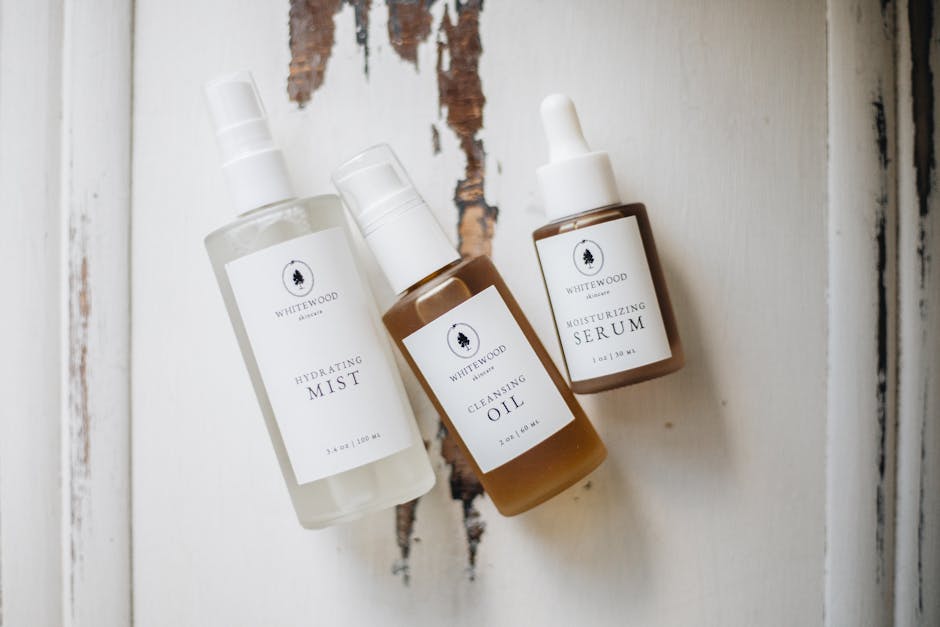
If you’ve had any chemical processing — color, bleach, keratin treatments, relaxers — Olaplex No. 4 Bond Maintenance Shampoo is the clearest single recommendation. Its active compound, bis-aminopropyl diglycol dimaleate, is patented technology that actively rebuilds broken disulfide bonds in the hair shaft rather than coating the hair to simulate smoothness temporarily.
The difference shows in four to six washes. Breakage decreases noticeably. Elasticity returns. Color holds longer between salon appointments.
What It Costs Per Wash
At $30 for 8.5 oz with roughly 0.5 oz per wash, that’s about $1.76 per wash. Kérastase runs about $2.71 per wash. Pantene runs $0.38. Olaplex sits comfortably in the middle, and for hair that’s been chemically processed, the cost-to-result ratio is the best available.
When Olaplex Is the Wrong Choice
Virgin hair with zero chemical processing doesn’t have broken disulfide bonds to repair. The bond-building chemistry has nothing to work on — you’re paying a premium for an ingredient your hair doesn’t need. For unprocessed hair, pairing a moisturizing shampoo with the right conditioner does more. Kérastase Nutritive Bain Satin 2 or Davines MOMO Moisturizing Shampoo ($32) are stronger choices for unprocessed dry hair.
For Scalp-Specific Problems
Bond-repair shampoos don’t address scalp conditions. If dandruff, seborrheic dermatitis, or excess oiliness is the main issue, you need a therapeutic formula — not a conditioning one. Head & Shoulders for fungal dandruff. Paul Mitchell Tea Tree for oily scalp. Briogeo Scalp Revival Charcoal + Coconut Oil Micro-Exfoliating Shampoo ($42) for persistent buildup and scalp sensitivity that doesn’t respond to simpler formulas.
Specific Shampoo Questions, Answered Directly
How often should you actually wash?
Oily hair: every day or every other day. Normal hair: two to three times per week. Dry or coarse hair: once or twice a week. Curly hair: often once a week or less, since the curl pattern slows sebum travel down the shaft. Frequency is dictated by scalp type, not by what the bottle recommends.
Daily washing with a gentle formula does not cause hair loss. That’s a persistent myth with no clinical support. Hair growth is governed by follicle biology — washing frequency has almost no effect on it.
Does expensive shampoo actually clean better?
For dandruff: no. Head & Shoulders ($7) outperforms most $40 bottles because the active ingredient (pyrithione zinc) is what does the work, and more expensive shampoos rarely include it at meaningful concentrations. For bond repair: yes, and meaningfully so — the Olaplex patent is real and the chemistry can’t be replicated cheaply. For general shine and softness: the gap between a $12 shampoo and a $50 one is marginal. You’ll get 80% of the result for 25% of the cost with a mid-range pick like Redken All Soft ($26).
What about shampoos marketed for hair growth?
Most contain caffeine, biotin, or niacinamide — ingredients with weak or no direct evidence for stimulating growth in people with normal nutrient levels. Minoxidil is the only topical ingredient with strong clinical proof for regrowth, and it comes in targeted scalp treatments, not rinse-off shampoos. If an oily, congested scalp is reducing hair density, a clarifying shampoo helps indirectly — but it’s clearing the way for healthy growth, not triggering it.
Can the same shampoo work year-round?
Scalp chemistry shifts with seasons, hormones, and diet changes. If a shampoo that worked well for two years suddenly feels wrong — more oil, more dryness, more flaking — the formula probably hasn’t changed. Your scalp has. Redo the 24-hour tissue test from the first section and reassess from there. It’s a five-minute fix for a frustrating problem most people spend months and $80 trying to diagnose.
Identify your scalp type correctly first — everything else in this guide depends on that one decision going right.