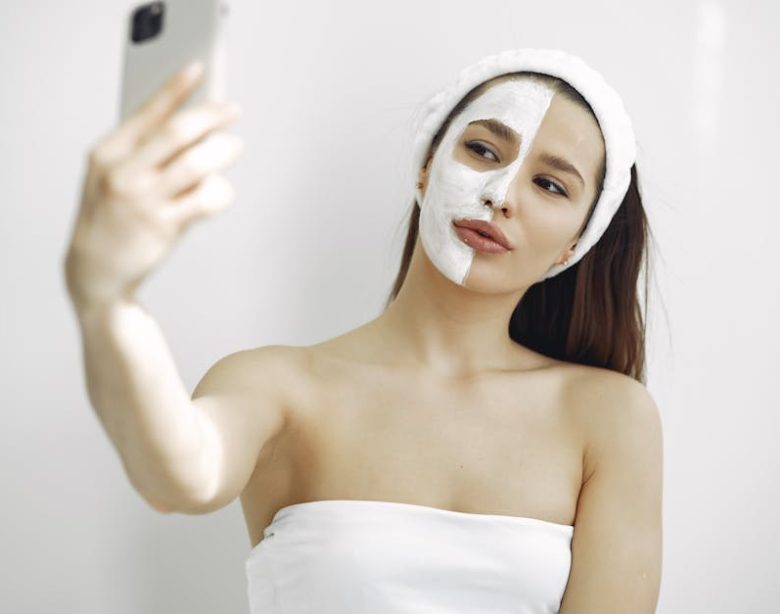
Many people starting their skincare journey search for the "best skincare routine kit," expecting a single box to solve all their concerns. This is a common misconception. While attractive packaging and bundled products promise simplicity, the truth is that a truly effective skincare routine isn’t a pre-assembled kit. It’s a carefully curated collection of products chosen specifically for your individual skin type and concerns. Relying on a generic kit often means compromising on efficacy, potentially using ingredients your skin doesn’t need or, worse, ingredients that could cause irritation. Building your own kit ensures every step serves a purpose, creating a regimen that genuinely works for you.
Why Most "All-in-One Kits" Miss the Mark
It’s tempting to grab an entire skincare line or a pre-packaged "kit" off the shelf. Brands often market these bundles as a complete solution, promising synergy between products. The reality, however, is that these kits are rarely optimized for everyone. Your skin is unique. It might be oily in the T-zone but dry on the cheeks, prone to breakouts, or easily irritated. A generic kit, designed to appeal to the broadest possible audience, simply cannot account for these individual nuances. This often leads to wasted money on products that don’t perform as expected, or even cause new problems.
Consider a kit marketed for "all skin types." For someone with very dry, sensitive skin, a cleanser designed for oil control might strip their skin, leading to more dryness and irritation. Conversely, a rich, heavy moisturizer in the same kit could clog pores for someone with acne-prone skin. These discrepancies highlight a fundamental flaw: good skincare is personal, not universal.
The Problem with Generic Ingredients: One Size Doesn’t Fit All
Pre-selected kits often feature a "star" ingredient or a blend of common active components. While ingredients like hyaluronic acid or vitamin C are beneficial, their concentration and formulation matter immensely. A kit might include a cleanser, serum, and moisturizer all containing a low dose of the same ingredient. This can be redundant or insufficient for specific concerns. For instance, if you need significant hydration, a kit with minimal hyaluronic acid across all steps won’t be as effective as choosing a dedicated, high-concentration hyaluronic acid serum.
Furthermore, many kits contain fragrance or essential oils to enhance the user experience. While pleasant, these ingredients are common irritants, especially for sensitive skin types. A product that makes your routine smell luxurious could be silently undermining your skin barrier, leading to redness, itching, or breakouts. Opting for fragrance-free formulations, particularly for leave-on products, is often a safer and more effective choice, yet generic kits rarely offer this flexibility.
Understanding Ingredient Synergy and Conflicts
Effective skincare isn’t just about what ingredients are present; it’s about how they interact. Some ingredients work beautifully together, enhancing each other’s effects. For example, Vitamin C and Vitamin E are potent antioxidants that boost each other’s stability and efficacy. Other ingredients, however, can conflict, reducing their individual benefits or even causing irritation. Combining a strong retinoid with multiple exfoliating acids in the same routine, for instance, can easily over-exfoliate and compromise the skin barrier. A pre-packaged kit seldom provides the detailed guidance needed to navigate these complex interactions, potentially leading to adverse reactions. When you build your own kit, you gain the power to research and choose products that complement each other, ensuring maximum benefit with minimal risk.
Essential Steps for a Functional Skincare Routine

Before diving into specific products, it’s crucial to understand the fundamental steps of any effective skincare routine. These steps form the backbone of skin health, regardless of your skin type or concerns. By understanding the “why” behind each step, you can make informed decisions when selecting products for your personalized kit. A well-structured routine ensures that each product can perform its intended function optimally, without interfering with other layers.
Cleansing: The Foundation of Skin Health
Cleansing is the first and arguably most important step. Its primary role is to remove dirt, oil, makeup, sunscreen, and environmental pollutants that accumulate on your skin throughout the day and night. Skipping this step means these impurities remain on your skin, potentially clogging pores, leading to breakouts, dullness, and hindering the absorption of subsequent products. A good cleanser prepares your skin for the treatments that follow, allowing active ingredients to penetrate more effectively. However, “clean” doesn’t mean “squeaky clean”; a cleanser should clean thoroughly without stripping your skin of its natural oils, which are vital for maintaining a healthy skin barrier. Over-cleansing or using harsh cleansers can disrupt this barrier, leading to dryness, sensitivity, and increased vulnerability to irritants.
Targeted Treatments: Addressing Specific Concerns
Once your skin is clean, it’s ready for targeted treatments. This step involves applying serums or essences that contain concentrated active ingredients designed to address specific skin concerns. Unlike cleansers or moisturizers, which have broader functions, treatments are highly specialized. If you’re dealing with acne, a serum with salicylic acid or niacinamide can be beneficial. For concerns like fine lines and wrinkles, ingredients like retinoids or peptides are key. Hyperpigmentation can be tackled with vitamin C or alpha arbutin. The power of this step lies in its ability to deliver precise, potent ingredients directly to where they are needed most, offering a focused approach to improving your skin’s condition beyond basic maintenance.
Moisturizing: Supporting Your Skin Barrier
Moisturizing is crucial for maintaining the skin’s hydration and supporting its natural barrier function. Your skin barrier acts like a protective shield, preventing moisture loss and defending against environmental aggressors like pollution and bacteria. A healthy barrier means resilient, smooth, and comfortable skin. Even oily skin types need moisturizer, as dehydration can paradoxically trigger more oil production. Moisturizers work by drawing moisture into the skin (humectants like hyaluronic acid), sealing it in (occlusives like petrolatum), or reinforcing the barrier (emollients like ceramides). Choosing the right texture — a light gel for oily skin, a richer cream for dry skin — ensures adequate hydration without feeling heavy or causing breakouts. This step locks in the benefits of your treatments and keeps your skin supple throughout the day and night.
Sun Protection: Your Best Anti-Aging Tool
No skincare routine is complete without daily sun protection. Sunscreen is not just for beach days; it’s a non-negotiable daily essential, rain or shine, indoors or out. Ultraviolet (UV) radiation from the sun is the primary cause of premature skin aging, including wrinkles, fine lines, sunspots, and loss of elasticity. More critically, UV exposure significantly increases the risk of skin cancer. A broad-spectrum sunscreen with an SPF of 30 or higher protects your skin from both UVA (aging) and UVB (burning) rays. This step safeguards your skin from future damage and preserves the results of all your other skincare efforts. Think of it as an investment: you apply all these wonderful products to improve your skin, and sunscreen protects that investment. Skipping SPF makes every other step less effective in the long run.
Curating Your Core Skincare Kit: Product Picks for Every Skin Type
Building your personalized skincare kit means selecting products that truly resonate with your skin’s unique needs. This isn’t about expensive brands, but about effective formulations. Below, we’ve outlined specific product categories and recommended items known for their efficacy and suitability for various skin types. Remember, these are starting points; listen to your skin and adjust as needed.
| Product Category | Recommended Product | Brand | Approximate Price (USD) | Target Skin Type / Benefit |
|---|---|---|---|---|
| Cleanser | Hydrating Facial Cleanser | CeraVe | $15 | Normal to Dry, Sensitive Skin (non-stripping) |
| Toleriane Purifying Foaming Cleanser | La Roche-Posay | $18 | Normal to Oily, Sensitive Skin (gently purifies) | |
| Treatment Serum | Niacinamide 10% + Zinc 1% | The Ordinary | $7 | Oily, Acne-prone, Uneven Texture (oil control, pore appearance) |
| Advanced Snail 96 Mucin Power Essence | COSRX | $25 | All Skin Types, especially Dry, Damaged (hydration, repair, soothing) | |
| 20% Vitamin C + E Ferulic Acid Serum | Timeless Skincare | $25 | All Skin Types (brightening, antioxidant protection) | |
| Moisturizer | Daily Facial Moisturizer | Vanicream | $13 | All Skin Types, especially Sensitive (barrier support, non-comedogenic) |
| Great Barrier Relief | KraveBeauty | $28 | Compromised Barrier, Redness, Dry (repairing, soothing) | |
| Hydro Boost Water Gel | Neutrogena | $19 | Oily, Combination Skin (lightweight hydration) | |
| Sunscreen | Relief Sun Rice + Probiotics SPF50+ PA++++ | Beauty of Joseon | $18 | All Skin Types (lightweight, no white cast, hydrating) |
| Hyaluronic Acid Watery Sun Gel SPF50+ PA++++ | Isntree | $20 | Normal to Dry Skin (hydrating, dewy finish) |
For cleansers, the CeraVe Hydrating Facial Cleanser is a gold standard for dry or normal skin, using ceramides and hyaluronic acid to cleanse without stripping. If your skin leans oily or combination, the La Roche-Posay Toleriane Purifying Foaming Cleanser provides a gentle yet effective cleanse, helping to control excess oil without harshness.
When it comes to treatment serums, The Ordinary Niacinamide 10% + Zinc 1% is an excellent, affordable option for those dealing with oiliness, enlarged pores, and textural irregularities. For a boost of hydration and skin repair, especially if your barrier is compromised, the cult-favorite COSRX Advanced Snail 96 Mucin Power Essence delivers impressive soothing and healing benefits. If brightening and antioxidant protection are your goals, the Timeless Skincare 20% Vitamin C + E Ferulic Acid Serum is a highly respected formula known for its stability and effectiveness.
Moisturizers are about locking everything in and maintaining skin comfort. The Vanicream Daily Facial Moisturizer is a fantastic, no-frills option suitable for virtually all skin types, particularly sensitive ones, focusing purely on barrier support. For a more intensive barrier repair, especially if you’re experiencing redness or irritation, KraveBeauty Great Barrier Relief is formulated with skin-identical lipids. If you have oily or combination skin and prefer a lighter texture, the Neutrogena Hydro Boost Water Gel offers excellent hydration without feeling heavy.
Finally, daily sun protection is non-negotiable. The Beauty of Joseon Relief Sun Rice + Probiotics SPF50+ PA++++ is beloved for its incredibly lightweight texture and lack of white cast, making it suitable for all skin tones and types. For those who prefer a more hydrating, dewy finish, the Isntree Hyaluronic Acid Watery Sun Gel SPF50+ PA++++ provides ample moisture along with robust protection.
Avoiding Common Skincare Routine Mistakes
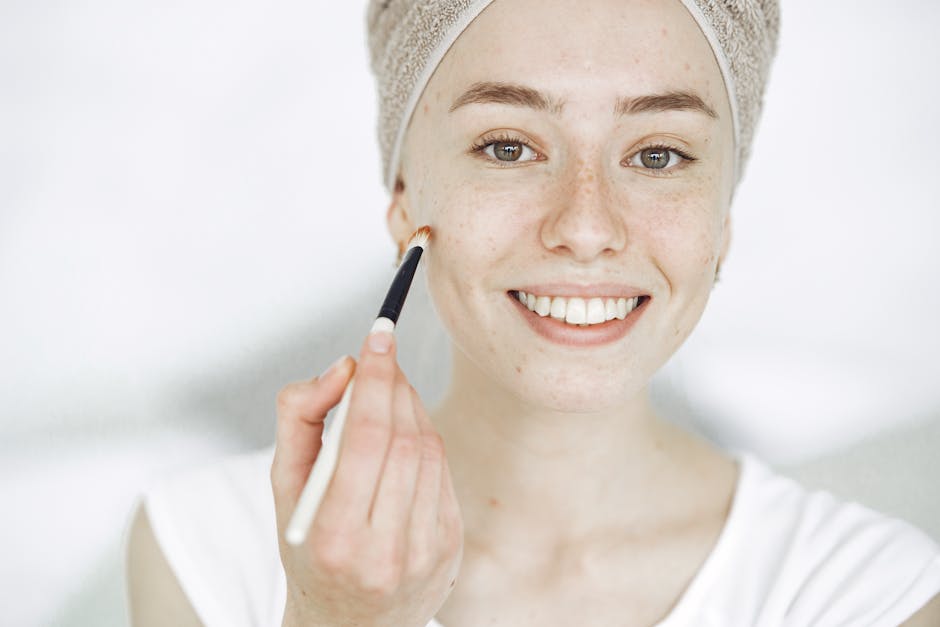
Once you’ve assembled your personalized skincare kit, knowing how to use it correctly is vital. Many common errors can derail your progress, even with the best products. Being mindful of these pitfalls will help you get the most out of your routine and maintain healthy, balanced skin.
- Over-Exfoliating: This is perhaps the most common mistake. Using multiple exfoliating acids (AHAs, BHAs) or physical scrubs too frequently can strip your skin’s natural barrier, leading to redness, irritation, sensitivity, and even breakouts. Stick to exfoliation 2-3 times a week at most, and pay attention to how your skin reacts. Less is often more.
- Not Patch Testing New Products: Before slathering a new serum or moisturizer all over your face, always patch test it. Apply a small amount to an inconspicuous area, like behind your ear or on your inner forearm, for a few days. This helps identify potential allergic reactions or irritations before they affect your entire face.
- Skipping Sunscreen (Even Indoors or on Cloudy Days): UV rays penetrate clouds and windows. Consistent daily use of broad-spectrum SPF 30+ is the single most effective anti-aging and anti-cancer measure you can take. Neglecting this step undoes all the hard work from your other products.
- Introducing Too Many New Products at Once: When starting a new routine or adding items to your custom kit, introduce one new product at a time, ideally every 1-2 weeks. This allows you to identify which product might be causing an issue if irritation occurs, rather than guessing among several new additions.
- Not Giving Products Enough Time to Work: Skincare isn’t instant. Ingredients like retinoids, vitamin C, or treatments for acne or hyperpigmentation require consistent use over several weeks or even months to show noticeable results. Patience is key; don’t give up on a product after just a few days if you don’t see immediate changes.
- Using the Wrong Product Order: The order in which you apply products significantly impacts their effectiveness. Generally, go from thinnest consistency to thickest, with water-based serums before oils, and always sunscreen last in the morning. Incorrect layering can prevent products from absorbing properly.
- Ignoring Your Skin’s Signals: Your skin communicates with you. If a product causes stinging, burning, excessive redness, or persistent breakouts, it’s likely not suitable for you. Don’t push through discomfort hoping your skin will "get used to it." Discontinue use and re-evaluate.
FAQs: Fine-Tuning Your Personalized Routine
How do I determine the correct layering order for my products?
The general rule for product application is to go from thinnest to thickest consistency. This allows lighter, water-based products with active ingredients to penetrate the skin first, without being blocked by heavier creams or oils. In the morning, a typical order might be: cleanser, treatment serum (if applicable), moisturizer, and then sunscreen. In the evening, after cleansing, you might apply a treatment serum, followed by a heavier moisturizer or face oil. Eye creams typically go before moisturizer but after serums. Always let each product absorb for a minute or two before applying the next layer to avoid pilling and ensure proper penetration.
What’s the best way to introduce a new active ingredient into my routine?
Introducing new active ingredients, especially potent ones like retinoids, AHAs, or high-concentration Vitamin C, requires a cautious approach. Start by applying the product only 2-3 times a week, gradually increasing frequency as your skin tolerates it. It’s also wise to introduce only one new active ingredient at a time. This way, if you experience any irritation or adverse reactions, you can easily pinpoint the culprit. Using a small amount and applying it to clean, dry skin can also minimize potential irritation. Always pair new actives with a good moisturizer to support your skin barrier.
How often should I cleanse my face?
For most people, cleansing twice a day — once in the morning and once in the evening — is ideal. The morning cleanse helps remove any oils, sweat, and product residue from the night before, preparing your skin for daytime treatments and SPF. The evening cleanse is crucial for removing makeup, sunscreen, dirt, and pollution accumulated throughout the day. However, if your skin is particularly dry or sensitive, a gentle rinse with water in the morning might suffice, reserving a full cleanse for the evening. Always use lukewarm water and a gentle cleanser to avoid stripping your skin.
When should I seek professional advice for my skin concerns?
While a well-curated home skincare routine can address many common concerns, there are times when professional guidance is invaluable. If you’re struggling with persistent or severe acne, chronic redness (like rosacea), unexplained rashes, or significant concerns about aging that your current routine isn’t addressing, it’s time to consult a dermatologist. They can provide accurate diagnoses, prescribe stronger treatments, and offer in-office procedures that are beyond the scope of over-the-counter products. For concerns about moles or suspicious skin lesions, a dermatologist visit is an absolute necessity for early detection and prevention of skin cancer.
The best skincare routine kit is not a pre-packaged box, but a carefully selected collection of products tailored precisely to your unique skin.