The sensation of parched skin is rarely a simple lack of water; it is a complex physiological signal that your cutaneous lipid barrier has been breached. While many consumers approach the beauty counter looking for a “miracle” fix, the reality of dermatological health is rooted in the lipid-to-water ratio within the stratum corneum. If you have spent years cycling through various lotions only to find your face feeling like sandpaper by midday, the issue is likely not the quantity of product you are applying, but the specific chemical architecture of that product. Finding the best moisturizer for dry skin requires an understanding of how topically applied ingredients can either reinforce or disrupt your skin’s natural defense mechanisms.
The biological mechanism behind chronic skin tightness
Dryness is a structural failure of the skin’s barrier function. To understand why your current routine might be failing, we have to look at the stratum corneum, the outermost layer of the skin. Think of this layer as a brick-and-mortar structure. The skin cells (corneocytes) are the bricks, and the intercellular lipids—specifically ceramides, cholesterol, and free fatty acids—are the mortar. When this mortar is depleted or disorganized, moisture escapes through a process known as transepidermal water loss (TEWL). If you apply a product that only provides temporary surface hydration without repairing that mortar, the relief will be short-lived because the water will simply evaporate through the “cracks” in the barrier.
There is a significant distinction between dry skin and dehydrated skin that many people overlook, leading to incorrect product choices. Dry skin is a genetic skin type characterized by a chronic lack of oil (lipids). Your pores are likely small, and your skin feels rough or flaky year-round. Dehydrated skin, on the other hand, is a temporary condition where the skin lacks water. You can have oily skin that is simultaneously dehydrated, often caused by over-cleansing or environmental stressors. If you are treating dehydrated skin with heavy, occlusive oils meant for dry skin, you might end up with congestion and breakouts while still feeling that internal tightness. Conversely, if you have true dry skin and only use water-based serums, you are essentially pouring water into a leaky bucket without sealing the holes.
Environmental factors also play a massive role in how these ingredients perform. In low-humidity environments, such as a heated office in winter or an airplane cabin, humectants like hyaluronic acid can actually pull moisture out of the deeper layers of your skin and evaporate it into the air if not sealed in with a strong occlusive. This leads to a paradoxical situation where your expensive hydrating serum is actually making your dryness worse. To fix this, you need a balanced formulation that addresses the specific deficiency of your skin barrier while creating a physical shield against the environment.
The essential chemistry: Humectants, Emollients, and Occlusives

When searching for the best moisturizer for dry skin, the ingredient list should be your primary roadmap. Formulators generally categorize moisturizing ingredients into three functional groups. A superior cream for dry skin will almost always contain a strategic blend of all three to address hydration, texture, and protection simultaneously.
The Role of Humectants in Water Retention
Humectants are substances that attract water. They act like molecular magnets, pulling moisture from the environment or the deeper dermis into the top layer of the skin. Common examples include glycerin, hyaluronic acid, urea, and panthenol (Vitamin B5). Glycerin is often underrated because it is inexpensive, but it remains one of the most effective humectants available due to its low molecular weight, allowing it to penetrate deeper than high-molecular-weight hyaluronic acid. Urea is particularly beneficial for extremely dry, flaky skin because it also has mild keratolytic properties, meaning it helps gently dissolve the bonds between dead skin cells, smoothing the texture while it hydrates the underlying tissue.
The Role of Emollients in Surface Smoothing
Emollients are the “fillers” that smooth out the skin’s surface. They fill in the microscopic gaps between skin cells where the lipid mortar has been lost. Ceramides are the gold standard here; they make up about 50% of the skin’s natural lipid composition. Other excellent emollients include squalane, which mimics the skin’s natural sebum, and various plant oils like jojoba, marula, or almond oil. When you see a product marketed as “barrier-repairing,” it usually contains a specific 3:1:1 ratio of ceramides, cholesterol, and fatty acids, which has been shown in clinical studies to accelerate the recovery of the skin’s protective shield after injury or irritation.
The Role of Occlusives in Preventing Evaporation
Occlusives provide the physical barrier that prevents TEWL. They sit on top of the skin and lock everything in. Petrolatum is the most effective occlusive known to science, capable of reducing water loss by over 98%. While some people find it too heavy for daytime use on the face, it is unrivaled for nighttime repair. Other occlusives include dimethicone (a silicone), shea butter, and beeswax. If your skin feels dry again within an hour of application, your moisturizer likely lacks a strong enough occlusive component to hold the hydration in place.
Strategic product selection: Comparing top-tier moisturizers
The market is saturated with options, but a few specific formulations stand out for their ability to deliver long-term results rather than just temporary comfort. Below is a breakdown of top-tier performers across different price points and formulations.
| Product Name | Approx. Price | Texture & Finish | Key Ingredients | Best For |
|---|---|---|---|---|
| La Roche-Posay Lipikar AP+M Triple Repair | $20 / 400ml | Heavy, Balmy, Shiny | Prebiotic Thermal Water, Ceramide-3, Shea Butter, Niacinamide | Extremely dry, itchy, or eczema-prone skin |
| Skinfix Barrier+ Triple Lipid-Peptide Cream | $54 / 50ml | Rich Cream, Dewy | Triple Lipid Complex, Peptides, Hyaluronic Acid | Aging skin with a damaged barrier |
| CeraVe Moisturizing Cream | $19 / 453g | Thick, Matte-Finish | 3 Essential Ceramides, Hyaluronic Acid, MVE Technology | Budget-friendly, reliable daily hydration |
| Weleda Skin Food Original Ultra-Rich Cream | $19 / 75ml | Very Thick, Greasy | Pansy Extract, Rosemary, Beeswax, Lanolin | Rough patches and cold-weather protection |
| Dieux Instant Angel Lipid Rich Moisturizer | $45 / 50ml | Medium Cream, Satin | Glycerin, Squalane, Phospholipids, Phytosterols | Deep hydration without a heavy greasy residue |
Detailed Analysis of Leading Formulations
La Roche-Posay Lipikar AP+M Triple Repair Body Cream: Despite being marketed as a body cream, many dermatologists recommend this for the face in cases of severe dryness. It uses a proprietary prebiotic thermal water that helps rebalance the skin’s microbiome. Pros: Exceptional at soothing itchiness and irritation immediately; high volume for the price. Cons: The finish is quite shiny and can feel heavy under certain foundations; may cause milia in those prone to congestion.
Skinfix Barrier+ Triple Lipid-Peptide Cream: This is a heavy hitter for those who want clinical results. It focuses on the lipid ratio mentioned earlier. It is one of the few creams that has been clinically proven to increase skin lipids by over 200% in a short period. Pros: Airless pump packaging keeps the ingredients stable and hygienic. Cons: High price point; some users find the “yeasty” natural scent of the ingredients off-putting.
CeraVe Moisturizing Cream: A staple in the skincare community, this cream uses Multivesicular Emulsion (MVE) technology, which releases moisturizing ingredients over 24 hours. Pros: Fragrance-free, non-comedogenic, and very affordable. Cons: The matte finish can sometimes feel “tight” to those who prefer a dewy look; lacks the luxurious feel of high-end creams.
Weleda Skin Food Original Ultra-Rich Cream: A cult favorite for a reason. This is an old-school occlusive-heavy cream. It uses lanolin and beeswax to create a literal shield on the skin. Pros: Unrivaled for protecting the skin against harsh winds and freezing temperatures. Cons: The thick consistency requires warming up between the palms; high essential oil content may irritate sensitive skin or cause allergic reactions.
How to layer skincare products to treat chronic dryness
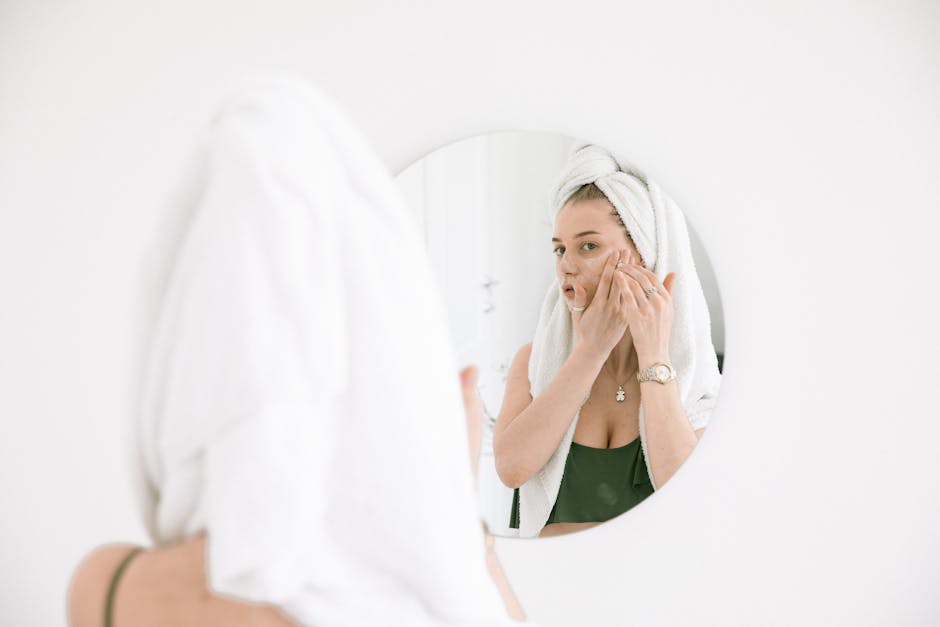
Application technique is just as important as the product itself. If you are applying moisturizer to bone-dry skin, you are missing out on a significant hydration boost. The most effective way to moisturize is to apply your products to damp skin. When your skin is slightly wet, it is more permeable, and the humectants in your cream can trap that surface water and pull it into the stratum corneum.
- Cleanse gently: Use a non-foaming, sulfate-free cleanser. If your skin feels tight after washing, your cleanser is too harsh and is stripping your natural oils.
- Mist or leave damp: Do not towel-dry your face completely. Leave a fine layer of water or use a hydrating toner containing rose water or glycerin.
- Apply humectant serum (Optional): If you use a hyaluronic acid or glycerin serum, apply it now. This provides a “water reservoir” for the cream to seal in.
- Apply your primary moisturizer: Massage a generous amount of your chosen cream into the skin while it is still damp. Ensure you cover the neck and chest, which are often neglected.
- Seal with an oil or ointment (Nighttime): For those with extreme dryness, adding two drops of a facial oil (like rosehip or squalane) or a thin layer of a petrolatum-based ointment (a technique known as “slugging”) over your moisturizer can prevent overnight water loss.
Applying a moisturizer over an oil will result in poor absorption. Always remember the rule of thumb: water-based products first, then creams, then oils or heavy balms last.
Seasonal adjustments are also necessary. A lightweight lotion that works in the humid summer months will likely fail you in January. As the dew point drops, you should transition to thicker creams with higher concentrations of shea butter or petrolatum. Don’t be afraid to “zone moisturize”—using a lighter product on your T-zone and a much heavier, lipid-rich cream on your cheeks or around the mouth where dryness is often more acute.
The impact of dietary lipids and internal hydration
While topical treatments are essential, the skin is an organ that is also fed from the inside. Chronic dryness can sometimes be exacerbated by a diet low in essential fatty acids. Omega-3 and Omega-6 fatty acids are crucial components of the skin’s lipid barrier. Incorporating foods like salmon, walnuts, flaxseeds, and avocado can provide the building blocks your body needs to produce its own natural oils. Furthermore, while drinking water won’t “cure” dry skin (which is an oil issue), systemic dehydration will make the skin look duller and less resilient, making topical moisturizers work harder to achieve a healthy appearance.
Decoding the “Fragrance-Free” vs. “Unscented” labeling trap
When shopping for the best moisturizer for dry skin, reading the label carefully is vital. Dry skin is frequently accompanied by a compromised barrier, which makes the skin more susceptible to irritation from fragrance. However, there is a legal difference between “fragrance-free” and “unscented.” Fragrance-free means no fragrance chemicals were added to the product. Unscented, however, often means that a masking fragrance was added to hide the chemical smell of the base ingredients. For those with reactive or extremely dry skin, “fragrance-free” is the safer choice to avoid contact dermatitis and stinging.
Why do some moisturizers cause stinging or pilling on dry skin?
It is a frustrating irony: you apply a cream to soothe your dry skin, and it immediately starts to sting or roll off in little balls (pilling). Stinging is usually a sign of a compromised skin barrier. When the barrier is “leaky,” ingredients that are normally fine—like certain preservatives or even high concentrations of hyaluronic acid—can penetrate too deeply and irritate the nerve endings. If this happens, strip your routine back to the most basic, fragrance-free occlusive balm (like plain petrolatum) until the stinging subsides and the barrier begins to knit back together.
Pilling, on the other hand, is a mechanical issue. It happens when the product doesn’t absorb and instead dries on the surface. This is often caused by a clash between ingredients. For example, if your moisturizer is heavy in silicones (like dimethicone) and you apply it over a water-heavy serum without letting the serum dry, the silicone can’t grip the skin and begins to clump. To avoid this, give each layer about 60 seconds to settle, or look for moisturizers that use natural oils and fatty acids instead of high levels of synthetic film-formers.
Another common culprit for pilling is the presence of too many dead skin cells. If you haven’t gently exfoliated in a while, the moisturizer sits on top of a layer of “skin dust” rather than the living tissue. Using a gentle PHA (polyhydroxy acid) once or twice a week can remove this debris without the irritation caused by harsher AHAs or physical scrubs. This allows your moisturizer to actually reach the cells it is intended to hydrate. Dry skin doesn’t have to be a permanent state; it is a management challenge that requires the right chemistry, a bit of patience, and a consistent application strategy.