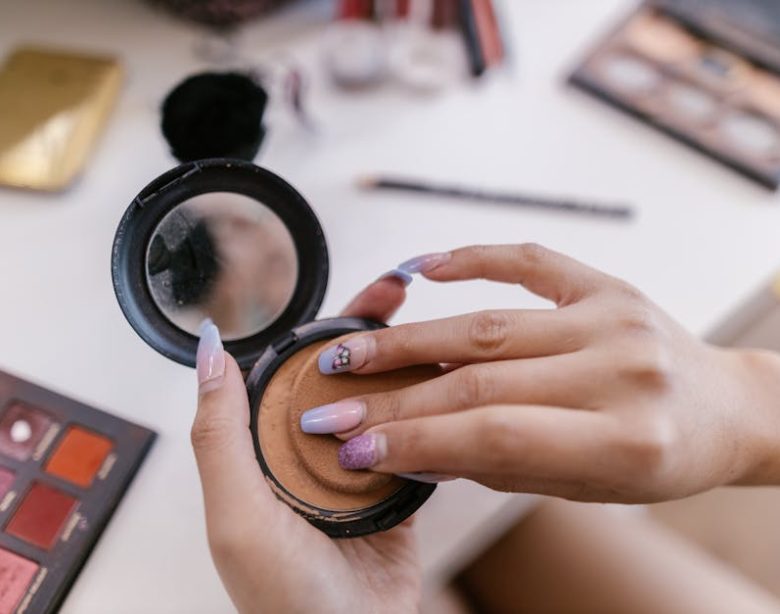
The search for the perfect foundation is less of a shopping trip and more of an archaeological dig through layers of marketing jargon and frosted glass bottles. I have spent the better part of fifteen years painting my face and the faces of my friends, trying to find that one elusive formula that makes skin look like silk rather than a textured landscape. If you want the short answer right away: Giorgio Armani Luminous Silk remains the most versatile, reliable, and beautiful foundation ever made for the widest range of people. It is the one I return to when I have a high-stakes event and cannot afford for my face to melt, oxidize, or settle into fine lines. However, the “best” foundation is a moving target because your skin is a living organ that changes with the seasons, your hormones, and the humidity in the air. One day you need a bulletproof matte to survive a summer wedding, and the next you need a sheer tint that hides the fact that you only slept four hours.
Which luxury foundation is actually worth the investment?
When you are dropping sixty or seventy dollars on a single ounce of liquid, the performance needs to be significantly better than what you find at the local pharmacy. In my experience, the difference usually lies in the pigment milling and the way the product interacts with light. Luxury foundations often use finer pigments that don’t settle into pores as aggressively. Giorgio Armani Luminous Silk Foundation (approx. $69 for 1.0 oz) is the industry standard for a reason. It uses what they call “Micro-fil technology,” which essentially means the pigments lay flat on the skin rather than stacking on top of each other. This prevents that heavy, mask-like appearance that plagues cheaper formulas. It offers a medium buildable coverage and a finish that looks like you just had a very expensive facial.
- Pros: Weightless feel, incredible blurring effect, photographically perfect (no flashback).
- Cons: Expensive, no SPF, can be too dewy for extremely oily skin types.
Another heavy hitter in the luxury space is the Pat McGrath Labs Sublime Perfection Foundation (approx. $68 for 1.01 oz). This is for the person who wants their skin to look filtered but not covered. It has a very thin, watery consistency that feels like nothing. The pro is the incredible shade range (36 shades across 5 levels) and the way it blurs imperfections without looking like makeup. The con? It contains a fair amount of alcohol to help it set quickly, which can be slightly drying if you don’t prep with a rich moisturizer first. If you have very dry or flaky skin, you might find this emphasizes those patches after a few hours of wear. Still, for photography and special events, it is hard to beat the sophisticated finish it provides.
What is the best long-wear foundation for oily skin?
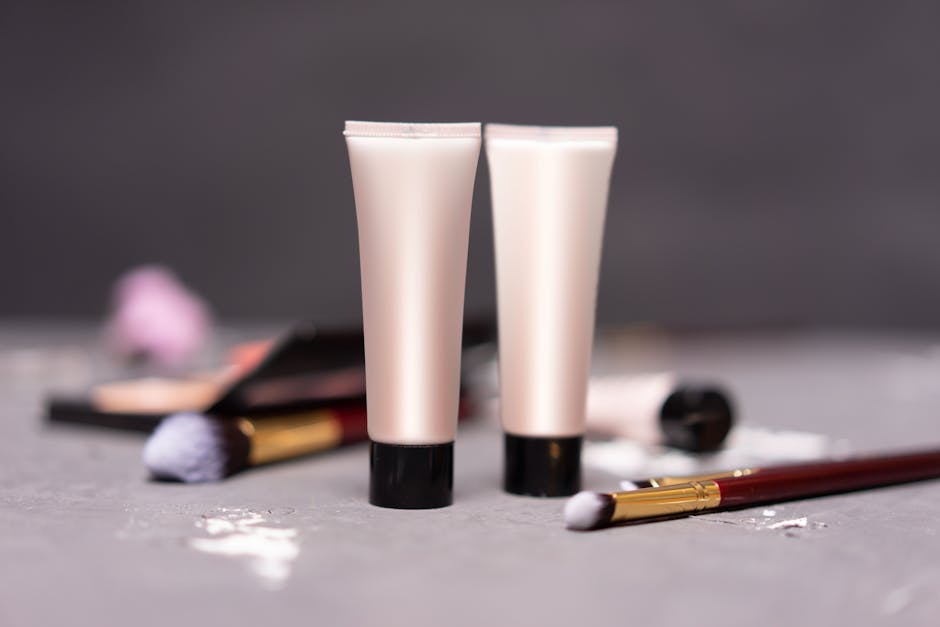
Oily skin is the ultimate test for any foundation. I have sat through outdoor weddings in 90-degree heat where my face felt like it was literally sliding off. For those days, there is only one king: Estée Lauder Double Wear Stay-in-Place Foundation (approx. $52 for 1.0 oz). This formula is legendary because it does not move. Once it sets, it is waterproof, transfer-resistant, and sweat-proof. It offers 55+ shades, making it one of the most inclusive high-performance foundations on the market. The pro is its sheer reliability; you can apply it at 7 AM and it will look identical at 7 PM. The downside is that it is very easy to over-apply. If you use too much, it can look heavy and “makeup-y.” I’ve found the best way to use it is to apply it in very thin layers with a damp sponge, focusing only on the areas where you have redness or breakouts.
If you find Double Wear too suffocating, Lancôme Teint Idole Ultra Wear (approx. $57 for 1.0 oz) is a spectacular alternative. It was recently reformulated to include skin-loving ingredients like hyaluronic acid, vitamin E, and moringa oil, making it feel much lighter than the original version. It maintains a natural matte finish that controls shine without making the skin look flat or dead. It is particularly good for combination skin where you might have an oily T-zone but dry cheeks. However, be aware that it has a distinct floral scent. If your skin is sensitive to fragrance, you might want to patch test this one first to ensure it doesn’t cause irritation or breakouts over time.
Top foundations for dry skin that won’t settle into fine lines
Dry skin requires a foundation that acts more like a serum. You want something that provides a barrier of moisture rather than something that sips the hydration out of your pores. Haus Labs by Lady Gaga Triclone Skin Tech Foundation (approx. $45 for 1.0 oz) has completely disrupted this category lately. It contains fermented arnica, which actively works to reduce redness while you wear it. In my testing, this foundation has a unique ability to sit on top of dry patches without clinging to them. It gives a luminous, healthy glow that makes you look well-rested. One major pro is the sheer variety of undertones; they have 51 shades categorized by warm, cool, and neutral in a way that actually makes sense. The only real con is that it can pill if you use a silicone-based primer underneath, so stick to water-based prep.
For those who want the absolute pinnacle of skincare-meets-makeup, Koh Gen Do Aqua Foundation (approx. $77 for 1.01 oz) is a Japanese cult favorite. It is expensive and the bottle is small, but the finish is unparalleled. It uses minerals from the deep sea and emollient oils to create a finish that looks like real, hydrated skin. It is sheerer than the others mentioned, so if you have significant acne or scarring, you will still need a concealer. But for daily wear on dry or mature skin, it is a dream. It doesn’t settle into fine lines or crow’s feet, even after a full day of smiling and talking. It is the “no-makeup makeup” choice for people who hate the feeling of foundation.
Drugstore vs high-end foundation comparison

You do not always have to spend fifty dollars to get a great complexion. The gap between the laboratory at L’Oreal and the laboratory at Lancôme is smaller than the marketing departments want you to believe. Often, the same parent company owns both brands and shares technology between them. Below is a comparison of how some of the most popular drugstore options stack up against their luxury counterparts based on my side-by-side wear tests.
| Product Name | Approx. Price | Finish | Best For | Main Drawback | Coverage Level |
|---|---|---|---|---|---|
| L’Oreal True Match | $14 | Natural/Satin | All Skin Types | Can oxidize slightly | Medium (Buildable) |
| Maybelline Fit Me Matte | $10 | Soft Matte | Oily Skin | Packaging lacks a pump | Medium |
| Neutrogena Hydro Boost | $17 | Dewy/Sheer | Dry Skin | Limited shade range | Light |
| e.l.f. Halo Glow | $14 | High Radiance | Glowy Base | Very low coverage | Sheer |
L’Oreal True Match Super-Blendable Foundation is perhaps the best drugstore foundation ever made. It has no oils, no fragrances, and no pore-clogging fillers. It mimics the skin’s texture beautifully. If you are on a budget, start here. The main difference you’ll notice between this and a luxury brand is the wear time; the L’Oreal might start to break down around the 6-hour mark, whereas the Armani will last for 10. But for a standard workday, the drugstore option is more than sufficient.
How to identify your skin undertone for the perfect foundation match
The most expensive foundation in the world will look terrible if the undertone is wrong. I see so many people wearing a shade that is technically the right “brightness” but the wrong “temperature.” If you have cool undertones and wear a warm foundation, you will look orange. If you have warm undertones and wear a cool foundation, you will look ashy or grey. To find your undertone, look at the veins on the inside of your wrist. If they look blue or purple, you are likely cool-toned. If they look green, you are warm-toned. If you can’t quite tell or they look teal, you are likely neutral.
Another trick I use is the jewelry test. Does silver jewelry make your skin pop, or does gold? Silver usually aligns with cool tones, while gold complements warm tones. If both look equally good, you’re in the neutral sweet spot. When shopping for foundation, look for these letters in the shade names: C (Cool), W (Warm), and N (Neutral). Some brands like MAC use a different system (NC for Neutral Cool, which is actually warm, and NW for Neutral Warm, which is actually cool), so always double-check the brand’s specific logic before buying. Don’t be afraid to ask for a sample; lighting in stores like Sephora or Ulta is notoriously deceptive and can make a shade look perfect when it’s actually a disaster in natural sunlight. Always check your match in the car mirror before committing to a full bottle.
Professional application tips for a natural skin-like foundation finish

How you put the product on is just as important as what is in the bottle. I have seen twenty-dollar foundations look like a million bucks because of the technique, and hundred-dollar foundations look like cake batter because they were applied poorly. The biggest mistake most people make is applying foundation all over the face like they are painting a wall. You don’t need the same amount of coverage on your forehead as you do on your cheeks or around your nose. Start in the center of the face, where most of us have the most redness, and blend outward. This ensures that the edges of your face—near your hairline and jaw—have the least amount of product, preventing that tell-tale “foundation line.”
- Prep is everything: Never apply foundation to dry, un-moisturized skin. Wait at least five minutes after your skincare and SPF to let everything sink in so the foundation doesn’t slide around.
- Warm the product: Pump the foundation onto the back of your hand first. Use your finger to swirl it around. The heat from your skin thins the formula and makes it easier to blend.
- The “Stipple and Roll” method: If you use a brush, don’t swipe it back and forth like a paintbrush. Use a dense buffing brush to press the product into the skin. If you use a sponge, make sure it is damp (squeeze it out in a towel so it’s not dripping).
- Check the jawline: Always take whatever is left on your brush or sponge and drag it down your neck. You aren’t adding more product; you’re just blurring the transition.
- Set strategically: You don’t need to powder your whole face unless you are extremely oily. Only powder the areas that move—like the smile lines—or areas that get shiny, like the forehead and chin.
The Crucial Difference: Water-Based vs. Silicone-Based Foundations
One of the most common reasons foundation “pills” or balls up on the skin is a conflict in chemistry. Most foundations are either water-based or silicone-based. Silicone foundations (look for ingredients ending in -cone, -siloxane, or -methicone) are excellent for smoothing texture and providing a long-wear, water-resistant finish. Water-based foundations are lighter and better for acne-prone skin. The cardinal rule of makeup is to match your primer to your foundation. If you use a silicone-heavy primer with a water-based foundation, the two will repel each other, causing the makeup to slide off or flake within an hour. Always check the first three ingredients of both products to ensure they are compatible.
Troubleshooting Common Foundation Failures: Oxidation and Pilling
Have you ever applied a perfect match in the morning only to find yourself looking orange by lunchtime? This is called oxidation. It occurs when the chemicals in the foundation react with the oxygen in the air and the natural oils (and pH level) of your skin. To prevent this, always use a primer to create a barrier between your skin oils and the makeup. Additionally, ensure you are storing your foundation in a cool, dark place; heat and light can degrade the formula and accelerate the oxidation process inside the bottle. If a foundation consistently turns orange on you, try selecting a shade that is half a step lighter than your actual skin tone, as it will likely darken to the correct shade once it sets.
A final piece of advice from someone who has tried it all: your skin texture is normal. Pores are normal. No foundation will make your skin look like a flat piece of plastic in real life, and that is okay. The goal is to look like a slightly more rested, even-toned version of yourself.