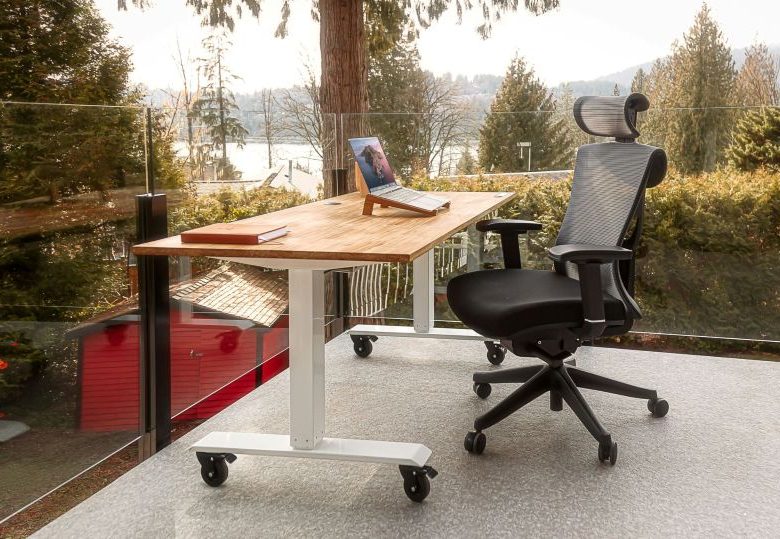
Good seating is essential for comfort, focus, and long-term well-being. Many people now spend long hours at desks, both at home and in office settings. As a result, more attention is being placed on how seating affects posture and overall health. Modern workplaces are also moving towards designs that support natural movement and reduce physical strain. This is where ergonomic office chairs play a central role. They are designed to support the body in a natural position, reduce stress on the spine, and help people feel more comfortable throughout the day.
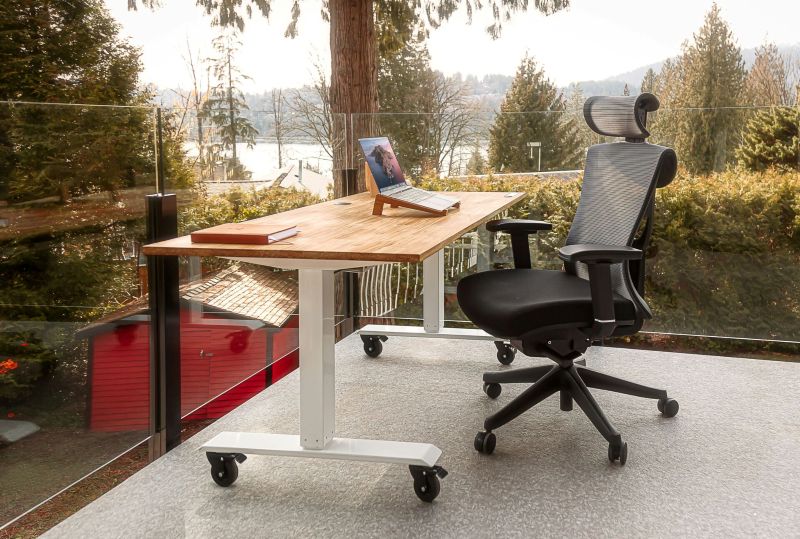
When chairs are shaped to follow the body’s natural alignment, they encourage gentle movement while offering steady support. This creates a balanced seating experience that feels comfortable and helps maintain healthy posture. Ergonomic seating has become a valuable feature for anyone looking to protect their back and maintain lasting comfort during daily tasks.
How Ergonomic Seating Supports Natural Posture
Ergonomic seating focuses on keeping the spine in a neutral and supported position. This means the body sits in alignment, with the shoulders relaxed, the lower back supported, and the hips at a comfortable angle. Chairs with adjustable features allow users to fine-tune the height, backrest angle, and seat depth to suit their body shape. This is especially important because every person’s posture and sitting habits are different. When a chair allows these adjustments, it becomes easier to maintain a balanced posture for longer periods.
Chairs designed with proper lumbar support help keep the natural curve of the lower back. This curve is important because it prevents unnecessary pressure on the spine. The shape of the backrest also encourages the upper body to remain upright without forcing stiffness. Armrests provide a resting place for the arms, which takes strain away from the shoulders and neck. With all these combined, ergonomic seating creates a comfortable and supportive environment that works well for long hours of desk-based activity.
Why Comfort Matters in Everyday Work
Comfort plays a large part in maintaining focus and staying productive. When seating feels supportive, it becomes easier to stay engaged in daily tasks. Sitting in one position for a long time can be tiring, but a well-designed ergonomic chair encourages light movement and smooth posture changes. This reduces stiffness and keeps the body more relaxed throughout the day.
Modern ergonomic office chairs often include features that help distribute weight evenly. When weight is balanced, pressure points on the hips, legs, and back are reduced. This helps the body feel supported and makes it easier to maintain comfort during long sessions of computer work, reading, or meetings. Many chairs also use materials that offer gentle cushioning while remaining firm enough to support proper posture. This combination of comfort and steadiness helps create a pleasant working environment that feels natural and accommodating.
The Value of Adjustability for Different Body Needs
Adjustability is one of the most important benefits of ergonomic seating. Since people vary in height, weight, and posture style, having multiple adjustment options helps the chair adapt to each user. Height adjustment ensures that the feet rest flat on the floor, which helps improve circulation and reduce tension in the legs. The seat depth setting allows users to sit fully supported without pressure behind the knees.
Backrest adjustments make it easier to maintain good posture across various tasks. Some people prefer a more upright position for typing, while others may lean back slightly when reading or thinking. Adjustable armrests also support natural arm placement, reducing strain on the wrists, elbows, and shoulders. These features help create a flexible seating experience that suits different work habits. As daily tasks change, the chair can adapt, ensuring consistent comfort and support.
Improving Overall Wellbeing Through Better Seating
Ergonomic seating contributes to overall wellness by encouraging healthier habits. When a chair supports the body properly, it becomes easier to stay active and maintain good posture throughout the day. People who feel comfortable are more likely to take short movement breaks, stretch gently, and adjust their seating position without discomfort. Over time, these habits help create a rhythm of movement that benefits both physical and mental wellbeing.
Regular desk work often involves concentration and precision, and discomfort can easily interrupt focus. With supportive seating, it becomes easier to stay calm, relaxed, and attentive. The balanced support of ergonomic seating helps reduce unnecessary tension, creating a more pleasant working atmosphere. This encourages a positive approach to daily tasks and helps maintain a sense of comfort and stability throughout the day.
Creating a Supportive Workspace with the Right Chair
A supportive workspace combines comfort, flexibility, and good design. Choosing the right chair is an important part of building such an environment. Seating that prioritises alignment and adjustability helps create a balanced workstation that encourages healthy posture. When paired with a suitable desk height and organised work area, ergonomic seating offers an effective foundation for daily comfort.
Modern workplaces, home offices, and study rooms are becoming more aware of the importance of healthy seating. As more people work in seated positions for extended periods, having a chair that supports natural movement and alignment makes a meaningful difference. With thoughtful design and adaptable features, ergonomic seating brings comfort, clarity, and ease into everyday work routines.